Introduction to Automation
Introduction to Automation
What Is Automation?
At its heart, automation is about using technology to do a job with less human help. It's not about getting rid of people, but about freeing them from repetitive, tedious, or dangerous tasks. This allows human effort to be focused on things that require creativity, critical thinking, and complex problem-solving.
Automation refers to the use of technology to perform tasks with minimal human involvement.
Think about a dishwasher. Instead of washing each dish by hand, you load a machine, press a button, and it handles the entire process. That's a simple form of automation. The goal is to create systems that can operate on their own, following a set of pre-programmed instructions to achieve a specific outcome, whether it's washing dishes, assembling a car, or sending a scheduled email.
A Quick Trip Through Time
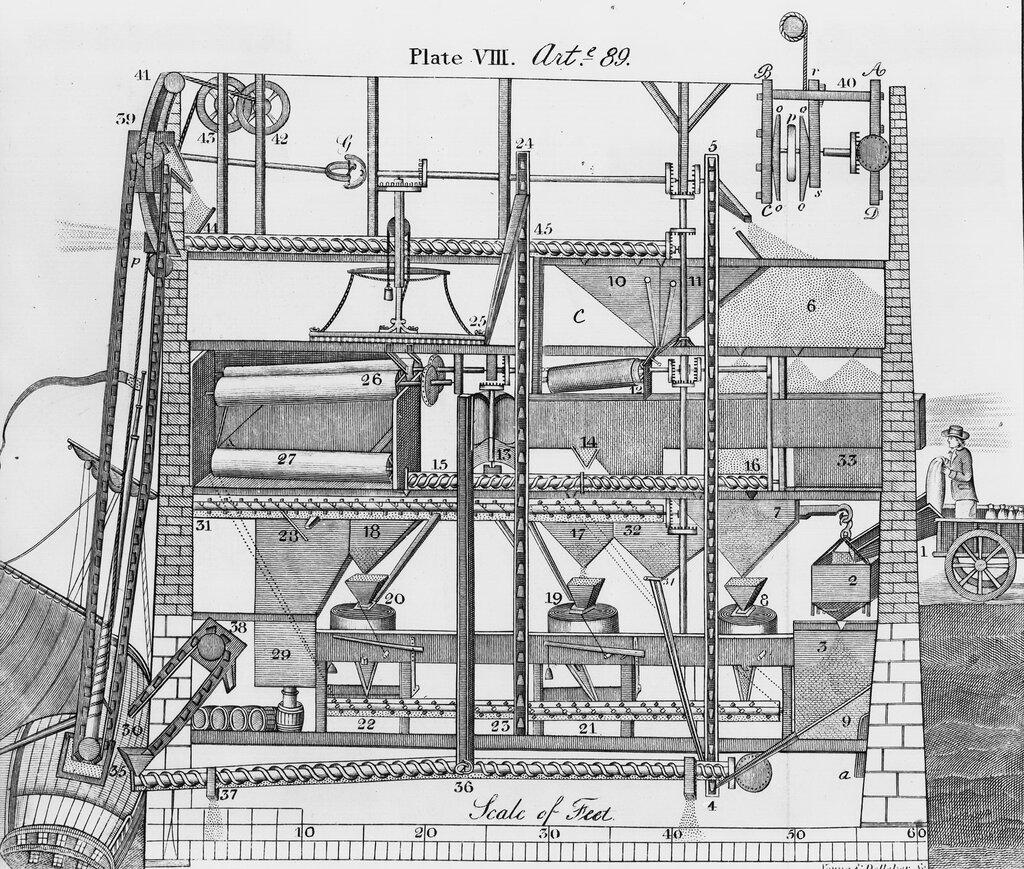
Automation isn't a new idea. For centuries, inventors have been creating devices to reduce manual labor. One of the earliest and most impressive examples was Oliver Evans' automatic flour mill in the 1780s. It used a series of conveyor belts and buckets, all powered by water, to move grain through the entire milling process without any human intervention.
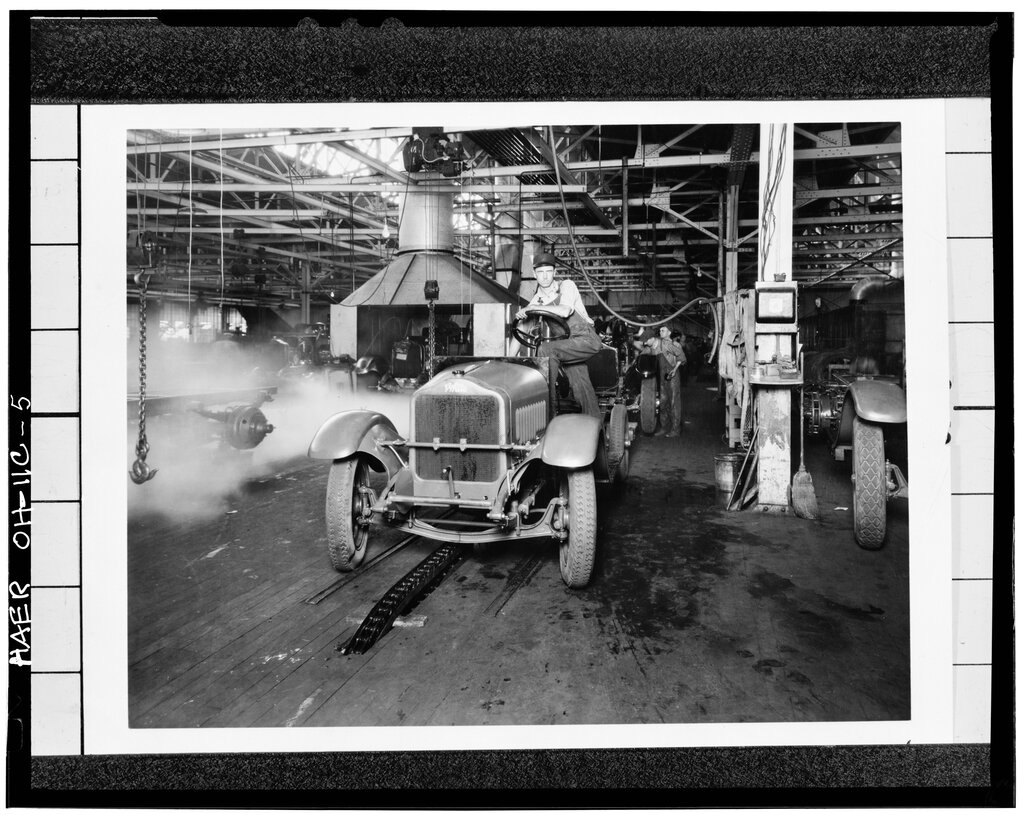
The Industrial Revolution accelerated this trend. The invention of the steam engine and other machinery led to mechanization in factories. In the early 20th century, Henry Ford revolutionized manufacturing with the moving assembly line. While this still required many workers, it was a crucial step in breaking down a complex process into simple, repeatable tasks—a key principle of automation.
The real game-changer came with the digital age. The invention of computers and programmable logic controllers (PLCs) in the mid-20th century gave machines a "brain." For the first time, factory equipment could be easily reprogrammed to perform different tasks without needing a complete physical overhaul. This marriage of mechanical systems and digital control is the foundation of the modern automation we see everywhere today.
How Automation Works
Modern automation relies on a few core ideas. The first is the concept of a control system, which manages and directs the behavior of other devices. A simple thermostat is a great example. It controls your home's heating system to maintain a desired temperature.
To do this effectively, most control systems use what's called a feedback loop. The system performs an action, measures the result, compares it to the target, and then adjusts its action accordingly. Your thermostat doesn't just turn the heat on; it constantly measures the room's temperature (feedback) and turns the heat on or off to keep it near your set point.
Finally, automation is all about the integration of hardware and software. You can think of any automated system as having three main types of physical components working together.
- Sensors are the system's senses. They collect data from the environment, like temperature, light, or motion.
- Controllers are the brain. They process data from the sensors and make decisions based on their programming.
- Actuators are the muscles. They take commands from the controller and perform a physical action, like turning a motor, opening a valve, or flipping a switch.
The software is the set of instructions that tells the controller how to interpret the sensor data and what commands to send to the actuators. It's this seamless partnership between physical hardware and intelligent software that makes modern automation possible.
Now, let's check your understanding of these fundamental concepts.
What is the primary goal of automation as described in the text?
What key development in the mid-20th century gave machines a 'brain', allowing them to be easily reprogrammed?
Understanding these basics—the what, why, and how of automation—is the first step to seeing its impact all around us.