Introduction to Automation
Introduction to Automation
What Is Automation?
At its heart, automation is simple: it's the use of technology to perform tasks that would otherwise require human effort. Think of it as creating a system or a machine that can follow a set of instructions on its own, without someone needing to guide it at every step.
When many people hear the word "automation," they picture giant robotic arms in a car factory. That's certainly one example, but the concept is much broader. Automation can be as complex as a fleet of self-driving trucks or as simple as an email filter that automatically sorts your messages. It includes everything from the software that manages a city's power grid to the app that schedules your social media posts.
The core idea is to reduce or replace human intervention in a process. This allows tasks to be done faster, more accurately, and often on a much larger scale.
A Quick Trip Through Time
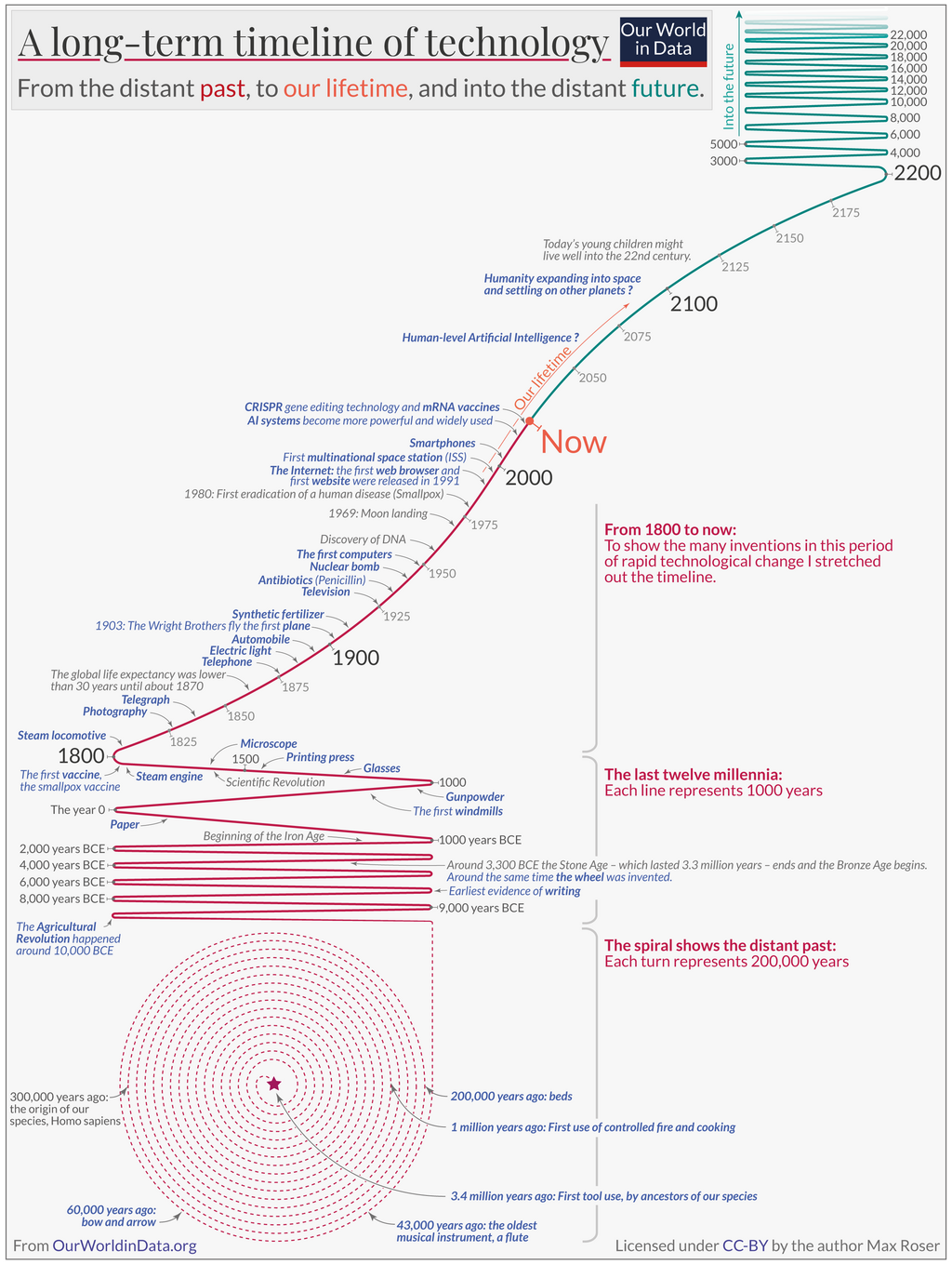
The desire to automate is not new. For centuries, humans have invented devices to make work easier. Ancient civilizations used water clocks to track time and windmills to grind grain. These were early forms of mechanical automation, using natural forces to perform repetitive tasks.
The Industrial Revolution in the 18th and 19th centuries kicked things into high gear. Steam engines powered looms and presses, transforming manufacturing. In the early 20th century, Henry Ford's moving assembly line revolutionized factory production by bringing the work to the worker, a key step in streamlining complex processes.
The mid-20th century brought the digital revolution. Computers and early robotics began to handle not just physical labor but also complex calculations and data processing. Today, automation is driven by software, artificial intelligence, and sophisticated sensors, touching nearly every aspect of modern life.
The Drive for Efficiency
Why has humanity pursued automation for so long? The primary driver is the quest for greater efficiency, accuracy, and productivity. A machine can perform the same task thousands of times without getting tired or bored, ensuring a consistent level of quality that is difficult for a person to maintain.
This reliability changes what's possible. Automation allows businesses to scale up operations, producing more goods or delivering more services than they could with manual labor alone. It frees people from tedious, repetitive, or dangerous jobs, allowing them to focus on tasks that require creativity, critical thinking, and complex problem-solving.
Introducing automation on various development stages can reduce manual intervention allowing efficiency to be increased and reducing error rate.
Across industries, the impact has been transformative. In manufacturing, automation has led to faster production lines and higher-quality products. In logistics, automated systems sort and track millions of packages every day. In finance, algorithms execute trades and detect fraud in fractions of a second. Even in creative fields, automation helps artists and designers by handling repetitive aspects of their work.
By streamlining processes, automation makes entire systems more productive and reliable, changing the way we work, live, and interact with the world around us.