Introduction to Auditing
Introduction to Auditing
What is Auditing?
Think of an audit as a financial check-up. Just as a doctor examines a patient to ensure they're healthy, an auditor examines a company's financial records to ensure they are accurate and reliable. It's a systematic and independent review of a company's books, accounts, and financial statements.
Audit
noun
An official inspection of an organization's accounts, typically by an independent body, to ensure financial records are a fair and accurate representation of the transactions they claim to represent.
The person conducting this check-up is called an auditor. Their job is to provide an objective opinion on whether the financial statements are presented fairly, in all material respects, and follow the applicable financial reporting framework, like the Generally Accepted Accounting Principles (GAAP).
At its core, auditing is about verification. It’s not about creating financial information, but about confirming its truthfulness.
The Goals of an Audit
While finding fraud is a possible outcome of an audit, it's not the primary goal. The main objective is to express an opinion on the financial statements. Are they a 'true and fair' view of the company's financial health? This opinion gives credibility to the statements.
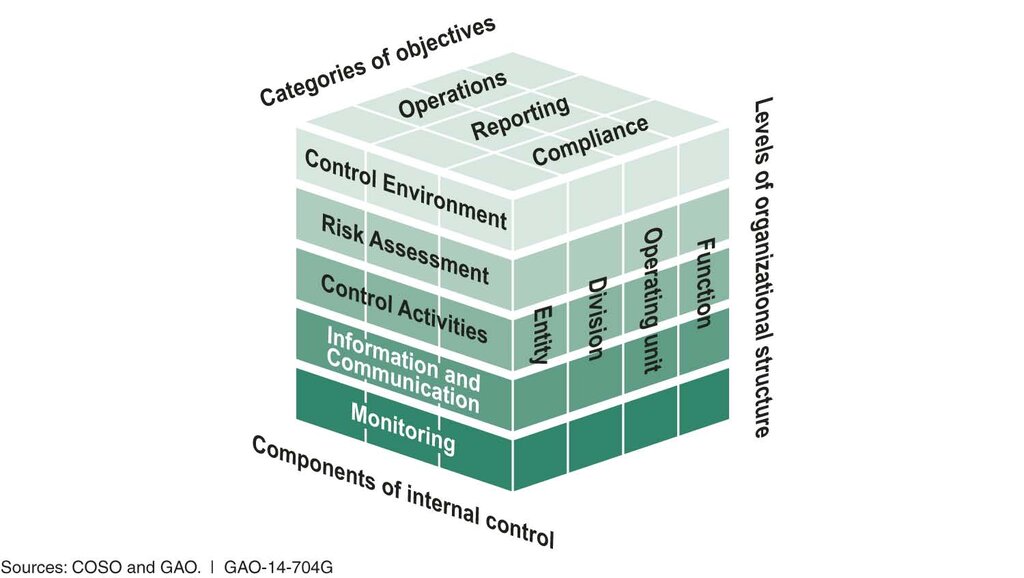
Key objectives include:
- Assessing Accuracy: Ensuring the numbers on the financial statements match the company's actual transactions.
- Ensuring Compliance: Verifying that the company has followed relevant laws, regulations, and accounting standards.
- Evaluating Internal Controls: Looking at the company's internal systems for preventing errors and fraud. A company with strong controls is less likely to have significant mistakes in its financial reporting.
Why Audits Matter
Audits are essential for building and maintaining trust in the financial system. Without them, investors, lenders, and even the company's own management would be working with unverified information. This creates risk for everyone.

Imagine you're thinking of investing in a company. The company tells you it made $10 million in profit last year. How do you know that's true? An independent audit provides that assurance. An auditor has looked over the books and confirmed that the number is reliable.
This trust is crucial for:
- Investors and Shareholders: They rely on audited financial statements to make informed decisions about buying or selling stock.
- Lenders: Banks use audited financials to decide whether to loan a company money.
- Government and Regulators: Tax authorities and regulatory bodies need assurance that companies are complying with the law.
- Business Partners: Other companies might review audited financials before entering into a significant partnership.
Auditing vs. Accounting
People often confuse auditing with accounting, but they are two distinct functions. Think of it this way: an accountant creates the story, and an auditor checks to see if the story is true.
Accounting is the process of recording, classifying, and summarizing financial transactions to prepare financial statements. It's a daily, ongoing process that creates the financial data.
Auditing, on the other hand, is a periodic review of that data. It's an analytical and critical process that happens after the accounting work is done.
| Feature | Accounting | Auditing |
|---|---|---|
| Function | Recording & Reporting | Review & Verification |
| Timing | Continuous, daily process | Periodic, often annually |
| Performed By | Internal employees (accountants) | Independent external professionals (auditors) |
| Goal | To create financial statements | To express an opinion on financial statements |
In short, accounting builds the financial records, and auditing lends them credibility. Both are essential for sound financial management.