Introduction to Atomic Red Team
Introduction to Adversary Emulation
What Is Adversary Emulation?
Adversary emulation is the practice of mimicking the tactics and techniques of real-world attackers to test a network's defenses. Think of it as a fire drill for a cyberattack. Instead of just checking if your security tools are turned on, you're seeing how they hold up against a realistic threat.
The goal isn't just to find vulnerabilities. It's to understand your entire security posture. How does your team respond? Do your security alerts work as expected? Can you spot the attacker's moves before they reach their goal? By simulating an attack from start to finish, you get a clear picture of what's working and what needs improvement.
It’s proactive, not reactive. You test your defenses on your own terms, before a real adversary does it for you.
Thinking Like an Attacker
You can't defend against every possible threat. There are too many. That's where threat modeling comes in. It's a structured way to identify and prioritize potential threats so you can focus your defenses where they matter most.
Threat modeling answers a few key questions:
- What do I want to protect? These are your assets, like customer data, intellectual property, or critical systems.
- Who might attack me? These are your threat actors, such as cybercriminals, state-sponsored groups, or malicious insiders.
- How might they attack? These are the attack vectors, like phishing emails, software vulnerabilities, or stolen credentials.
By answering these questions, you build a profile of your most likely adversaries. This profile guides your emulation plan, ensuring you test against the threats that pose the greatest risk to your organization.
A modern cybersecurity strategy must include efforts to think like an adversary and mitigate any weaknesses before they get exploited.
A Blueprint for Attacks
Once you know who you're trying to emulate, you need a playbook of their moves. The MITRE ATT&CK framework is exactly that. It's a globally accessible knowledge base of adversary tactics and techniques based on real-world observations.
Think of it as an encyclopedia of cyberattack methods. It breaks down attacks into a series of steps.
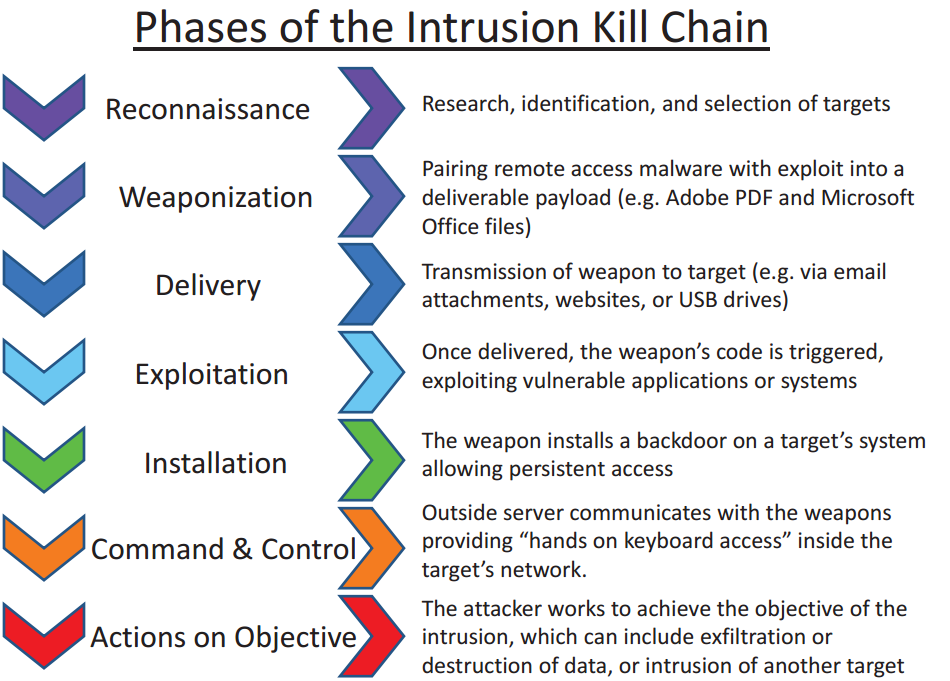
The framework is organized into two core components:
- Tactics: These represent the adversary's technical goal at each stage. Examples include Initial Access, Execution, and Exfiltration.
- Techniques: These are the specific methods used to achieve a tactic. For example, to gain Initial Access, an attacker might use the Phishing technique.
Here’s a small sample of how tactics and techniques relate:
| Tactic (The Goal) | Technique (The Method) |
|---|---|
| Initial Access | Phishing |
| Execution | Command and Scripting Interpreter |
| Persistence | Create Account |
| Defense Evasion | Masquerading |
The ATT&CK framework provides a common language for security professionals. For adversary emulation, it's invaluable. It allows you to select specific techniques used by groups that threaten your industry and build a realistic testing plan based on verified, real-world attacker behavior.
Now, let's test what you've learned about these foundational concepts.
What is the primary goal of adversary emulation?
Which of the following best describes the relationship between Tactics and Techniques in the MITRE ATT&CK framework?