Introduction to Asset Management
Introduction to Asset Management
What is an Asset?
An asset is anything a business owns that has value. This can be something tangible you can touch, like cash, computers, or a fleet of delivery trucks. It can also be intangible, like a patent, a software license, or the company's brand reputation. Essentially, if it can provide future economic benefit, it's an asset.
Asset
noun
A resource with economic value that an individual, corporation, or country owns or controls with the expectation that it will provide a future benefit.
Think of a company as a collection of assets. Each one plays a role, from the factory that produces goods to the software that manages customer orders. Without these assets, the business couldn't operate.
The Goal of Asset Management
Simply owning assets isn't enough. The real challenge is managing them effectively. That's where asset management comes in. It’s the systematic process of developing, operating, maintaining, and selling assets in the most cost-effective way possible.
It’s about making strategic decisions to get the most out of what you own while minimizing potential downsides. The core idea is to see the bigger picture.
Asset management looks at the bigger picture to increase an asset’s market value and generate the highest possible return on investment (ROI).
The main objectives of asset management are straightforward but powerful:
These three goals work together. By improving the performance of an asset, you often increase its value and reduce the risk of it failing. For example, regularly servicing a delivery truck (improving performance) makes it more reliable, which lowers the risk of a costly breakdown and helps it generate more revenue (maximizing value).
The Payoff
Implementing a solid asset management strategy has significant benefits. It’s not just about organizing a list of equipment; it's about making the entire organization more efficient and resilient.
One of the biggest advantages is better decision-making. When you know the condition, cost, and performance of every key asset, you can make informed choices about when to repair, replace, or invest in new ones. This prevents guesswork and costly mistakes.
Effective management also reduces risk. By proactively monitoring and maintaining assets, companies can avoid unexpected failures that could halt operations, disappoint customers, or create safety hazards.
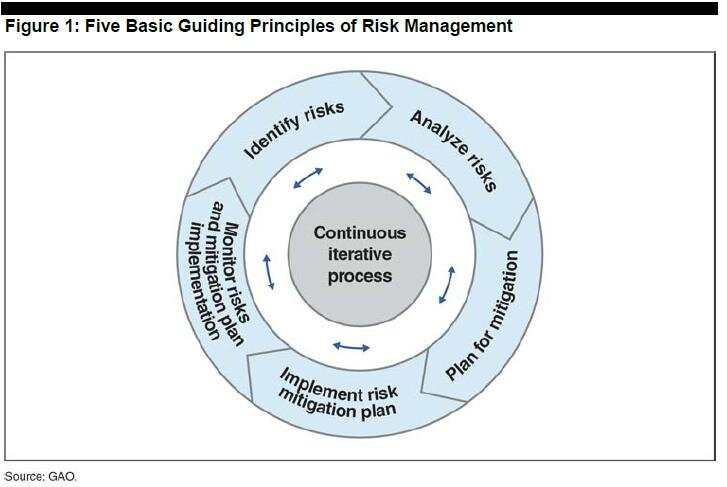
Ultimately, these benefits lead to improved financial performance. Less downtime, lower maintenance costs, and longer asset lifespans all contribute directly to the bottom line.
Aligning Assets with Goals
Asset management is not an isolated activity performed by one department. It's a strategy that must be tightly woven into the organization's overall goals. Every decision about an asset should answer the question: "How does this help us achieve our primary objectives?"
For example, if a company's goal is to be the industry leader in sustainability, its asset management plan might prioritize energy-efficient equipment and vehicles with lower emissions. If the goal is rapid growth, the focus might be on acquiring assets that can scale quickly.
By connecting every asset to a strategic purpose, a business ensures that its resources are not just being maintained, but are actively working to build a stronger, more competitive future.
Which of the following best defines a business asset?
Which trio represents the three core objectives of asset management?
This strategic approach turns a simple inventory of items into a dynamic portfolio that drives value and supports long-term success.