Introduction to Artificial Intelligence
Introduction to Artificial Intelligence
What Is Artificial Intelligence?
At its core, artificial intelligence is the science of making machines that can think or act like humans. It's a broad field in computer science focused on creating systems that can perform tasks that typically require human intelligence. This includes things like learning from experience, understanding language, recognizing objects, and solving problems.
This introduction to this special issue discusses artificial intelligence (AI), commonly defined as “a system’s ability to interpret external data correctly, to learn from such data, and to use those learnings to achieve specific goals and tasks through flexible adaptation.”
Think of it this way: we don't program an AI with every single possible answer. Instead, we create a system that can figure out the answers on its own. It's about building machines that can adapt and learn, not just follow a rigid set of instructions.
A Brief History
The dream of intelligent machines has been around for centuries, but the formal field of AI research began in the summer of 1956 at a workshop at Dartmouth College. There, a group of scientists coined the term "artificial intelligence" and set out the field's ambitious goals.
The journey since then has been a series of booms and busts. Periods of intense research and funding, known as "AI summers," were sometimes followed by "AI winters," when progress slowed and interest waned. But each cycle brought new breakthroughs, from early game-playing programs to expert systems in the 1980s.
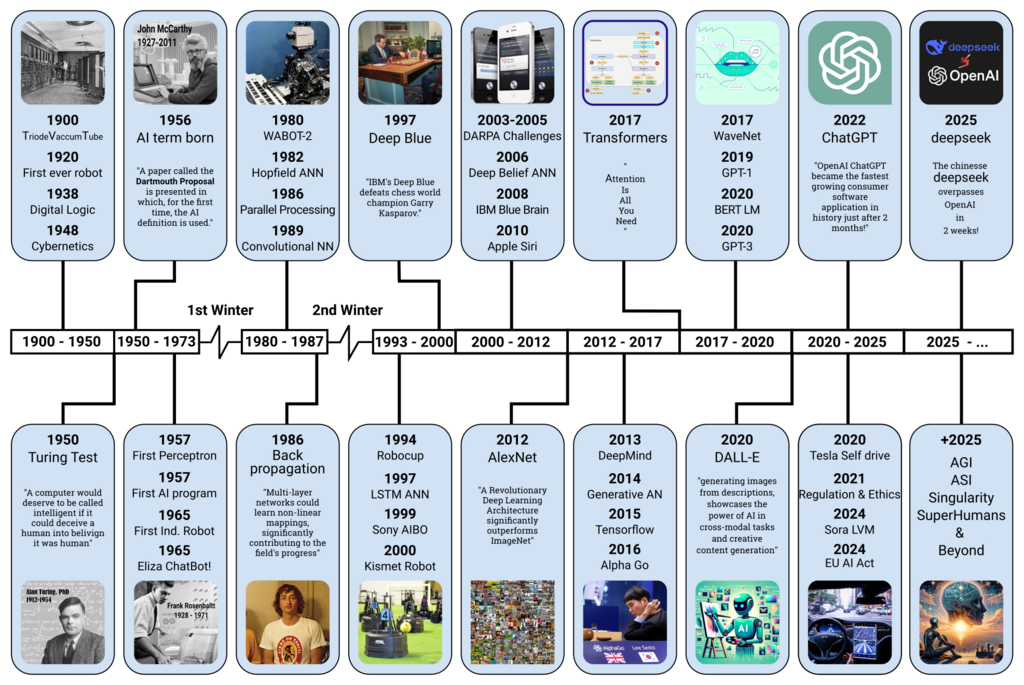
In recent decades, the combination of massive amounts of data and powerful computers has led to an explosion in AI capabilities, making it one of the most transformative technologies of our time.
The Flavors of AI
AI isn't a single thing; it's a collection of specialized subfields. Think of it like medicine, which has branches like cardiology and neurology. Here are a few of the most important branches of AI.
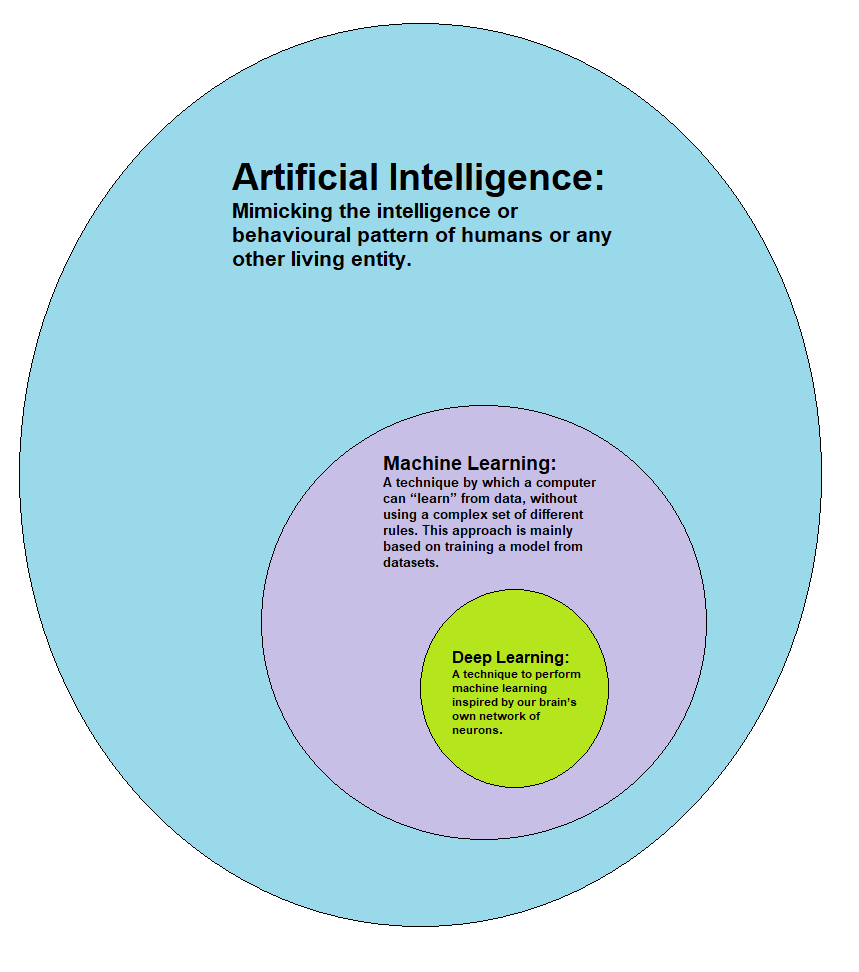
Machine Learning (ML) is the most common type of AI today. It's the process of teaching a computer to learn patterns from data without being explicitly programmed. For example, instead of writing code with rules for what makes a spam email, you show a machine learning model thousands of examples of spam and non-spam emails. It learns to spot the difference on its own.
Natural Language Processing (NLP) focuses on the interaction between computers and human language. NLP is what allows you to talk to your phone's assistant, translate text from one language to another, or have a chatbot understand your questions. It’s the science of teaching computers to read, understand, and generate human language.
Computer Vision is about giving computers the ability to "see" and interpret the visual world. This technology helps self-driving cars identify pedestrians and traffic signs. It's also used in facial recognition systems and in medical imaging to help doctors spot diseases.
Robotics is where AI meets the physical world. This field involves building and programming robots to perform tasks. These aren't just the walking, talking robots from movies. They can be industrial arms that assemble cars, drones that deliver packages, or rovers that explore other planets.
What is the fundamental goal of artificial intelligence?
The history of AI has been marked by periods of high funding and rapid progress, followed by periods of reduced interest and investment. What are these cycles commonly called?
These subfields often overlap and work together, forming the foundation for the complex AI systems we see today.