Introduction to Artificial Intelligence
Introduction to AI
What Is Artificial Intelligence?
At its core, Artificial Intelligence (AI) is the science of making machines that can think and act like humans. It's about creating systems that can perceive their environment, reason, learn from experience, and make decisions to achieve specific goals.
Artificial Intelligence
noun
A field of computer science dedicated to creating systems capable of performing tasks that typically require human intelligence.
Think about how a person learns to identify a cat. After seeing a few examples, you start to recognize the common features: whiskers, pointy ears, a tail. AI works in a similar way, but on a massive scale. It analyzes vast amounts of data to find patterns and make predictions.
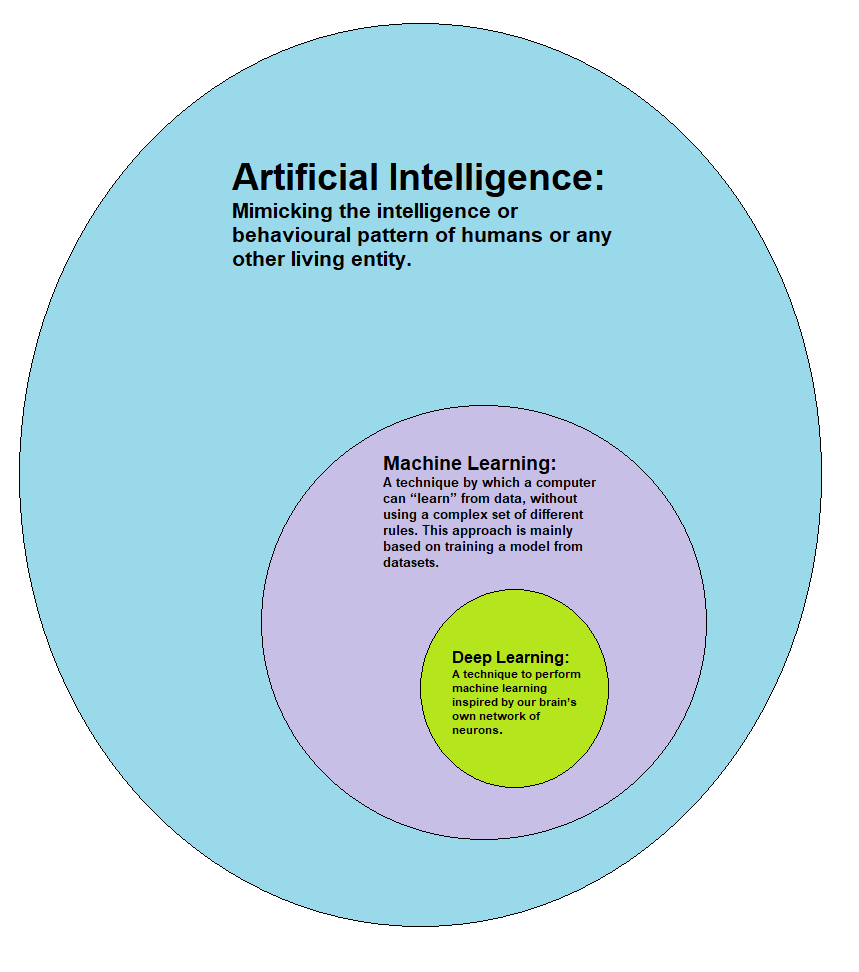
AI isn't a single thing, but a broad field with many sub-disciplines. Two of the most important are Machine Learning and Deep Learning, which are subsets of AI. Machine Learning allows systems to learn from data without being explicitly programmed, while Deep Learning uses complex structures called neural networks to achieve even more sophisticated learning.
A Quick Trip Through Time
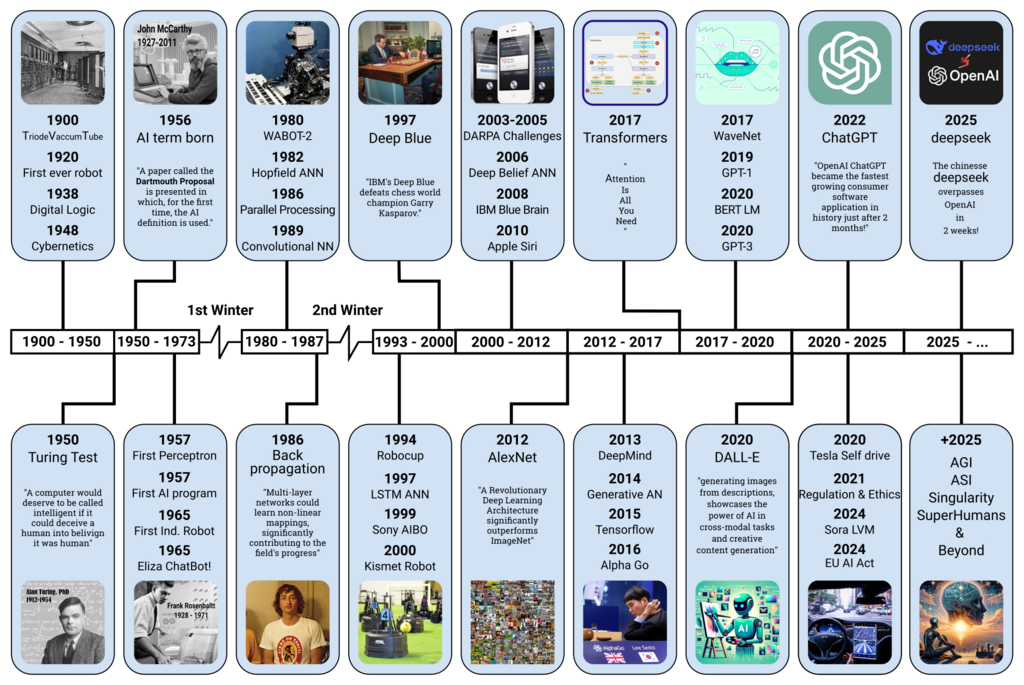
The dream of creating intelligent machines has been around for centuries, but the formal field of AI research began in the mid-20th century. A key moment was the Dartmouth Workshop in 1956, where the term "artificial intelligence" was officially coined.
The journey wasn't a straight line. Early excitement led to high expectations, but limitations in computing power and data led to periods of disillusionment known as "AI winters." During these times, funding dried up, and progress slowed.
The history of AI is a cycle of boom and bust, driven by technological breakthroughs and periods of reassessment.
However, the last few decades have seen a massive resurgence. The explosion of big data from the internet, combined with powerful, affordable computers, created the perfect conditions for AI to flourish. This new spring has led to the breakthroughs we see today.
Why AI Matters Now
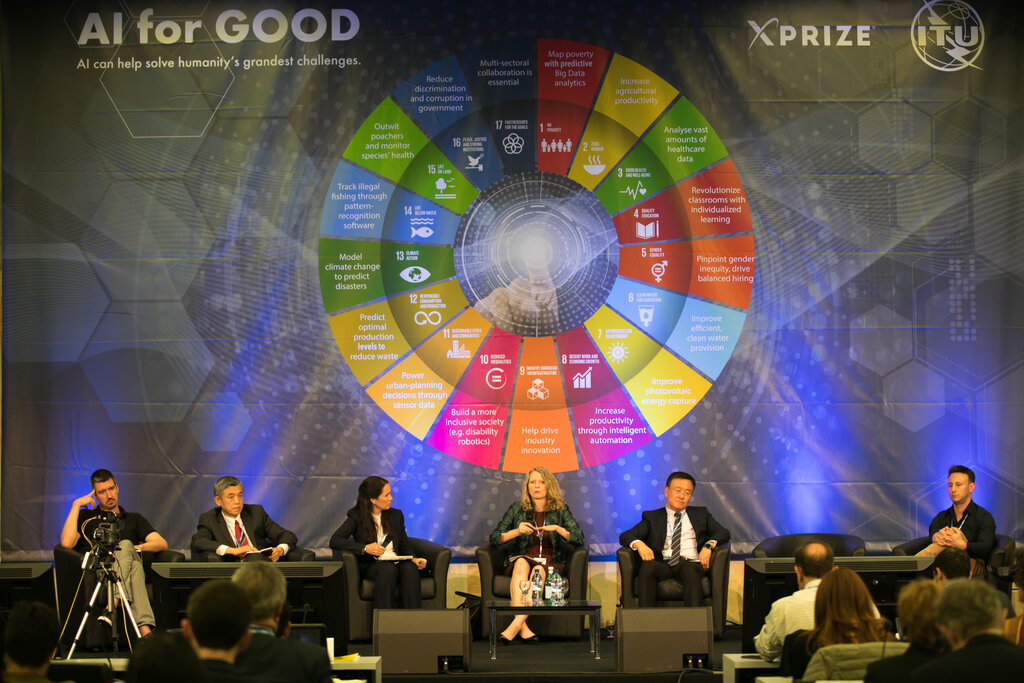
AI is no longer just a concept from science fiction; it's a powerful force shaping our world. Its significance lies in its ability to automate complex tasks, analyze information at a speed and scale impossible for humans, and uncover insights that can solve some of our biggest challenges.
From the way we shop and find entertainment to advances in medicine and scientific research, AI is working behind the scenes. It's a general-purpose technology, much like electricity or the internet, that is being integrated into nearly every industry. It's helping doctors diagnose diseases earlier, scientists model climate change, and businesses operate more efficiently.
Understanding the basics of AI is becoming essential. It's a tool that amplifies human capability, and knowing its fundamentals allows us to participate in conversations about its use, its potential, and its ethical implications. This knowledge prepares you to navigate a future where AI plays an increasingly important role.
Let's check your understanding of these foundational ideas.
What is the core goal of Artificial Intelligence?
Which of the following statements accurately describes the relationship between AI, Machine Learning, and Deep Learning?
With this foundation, you're ready to explore the more specific applications and technologies that make up the world of AI.