Introduction to Artificial Intelligence
Introduction to Artificial Intelligence
What Is Artificial Intelligence?
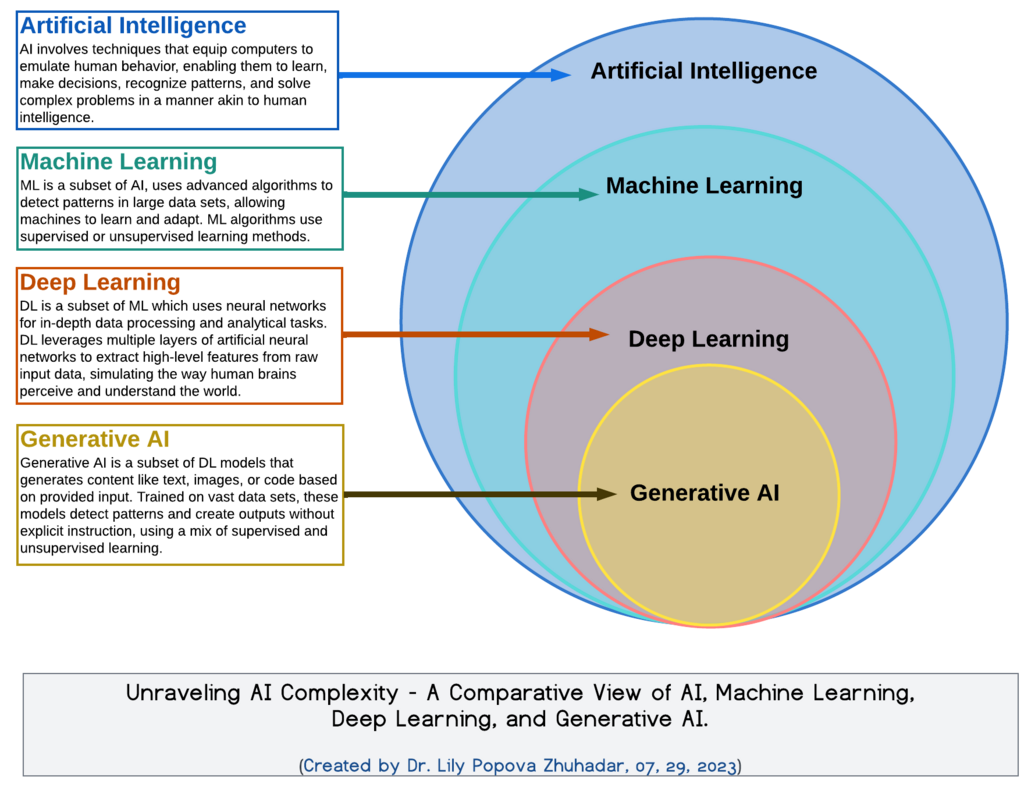
At its heart, Artificial Intelligence is about creating machines that can think, learn, and solve problems like humans. It's a broad field in computer science focused on building smart systems capable of performing tasks that typically require human intelligence.
Artificial Intelligence
noun
The theory and development of computer systems able to perform tasks that normally require human intelligence, such as visual perception, speech recognition, decision-making, and translation between languages.
This doesn't just mean programming a computer to follow a rigid set of rules. True AI involves creating systems that can adapt. They analyze huge amounts of data, recognize patterns, and make decisions or predictions. Think of it less like a simple calculator and more like a detective gathering clues to solve a case. The goal is to move beyond simple automation to create tools that can reason and learn from experience.
A Brief History of AI
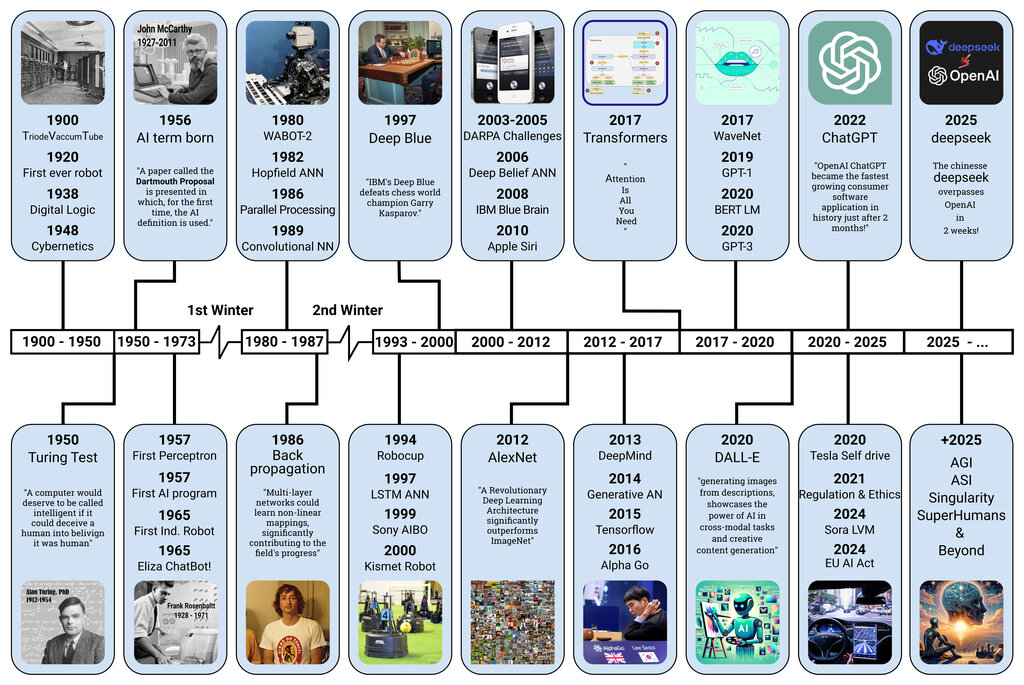
The dream of intelligent machines has been around for centuries, but the actual field of AI is relatively young. It officially got its name and mission during a summer workshop in 1956 at Dartmouth College. A small group of mathematicians and scientists gathered to explore the idea that "every aspect of learning or any other feature of intelligence can in principle be so precisely described that a machine can be made to simulate it."
The field of AI was officially born at the Dartmouth Conference in 1956, where John McCarthy coined the term “artificial intelligence.”
The early years were filled with excitement and bold predictions. Researchers developed programs that could solve algebra problems and play checkers. But progress was slower than expected. The complexity of creating true intelligence was immense, and the available computing power was limited. This led to periods of disillusionment and reduced funding, often called "AI winters."
Despite these setbacks, the field never died. In the late 20th and early 21st centuries, two key factors sparked a massive resurgence: the explosion of digital data and the development of much faster computers. Suddenly, AI researchers had the raw materials (data) and the powerful tools (processors) to make significant breakthroughs.
Why AI Matters Today
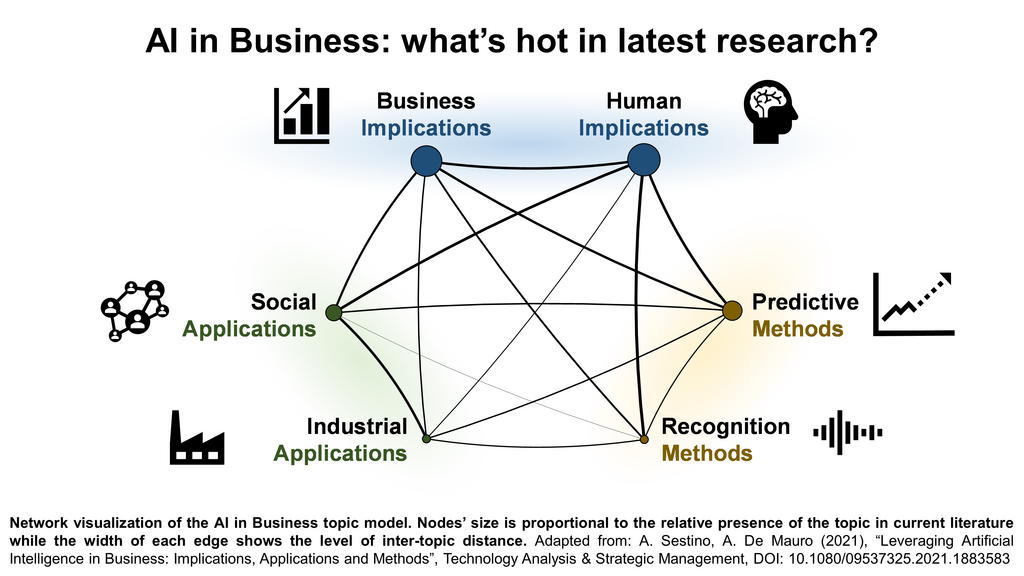
Today, AI is no longer confined to research labs. It has become a foundational technology that's reshaping industries and influencing our daily lives. From the algorithms that recommend movies and products to the systems that help doctors diagnose diseases, AI is working behind the scenes to make processes more efficient and effective.
Its significance lies in its ability to handle tasks at a scale and speed that humans cannot. By analyzing complex data sets, AI can uncover insights that lead to better business strategies, more accurate weather forecasts, and groundbreaking scientific discoveries. It acts as a powerful tool that augments human capabilities, allowing us to tackle some of the world's most challenging problems.
Understanding the basics of AI is becoming essential in the modern world. It's a technology that promises to drive innovation for decades to come, changing how we work, communicate, and live.
What is the primary goal of Artificial Intelligence as described in the text?
The term "Artificial Intelligence" was coined during a 1956 summer workshop at which institution?