Introduction to Artificial Intelligence
Introduction to Artificial Intelligence
What Is Artificial Intelligence?
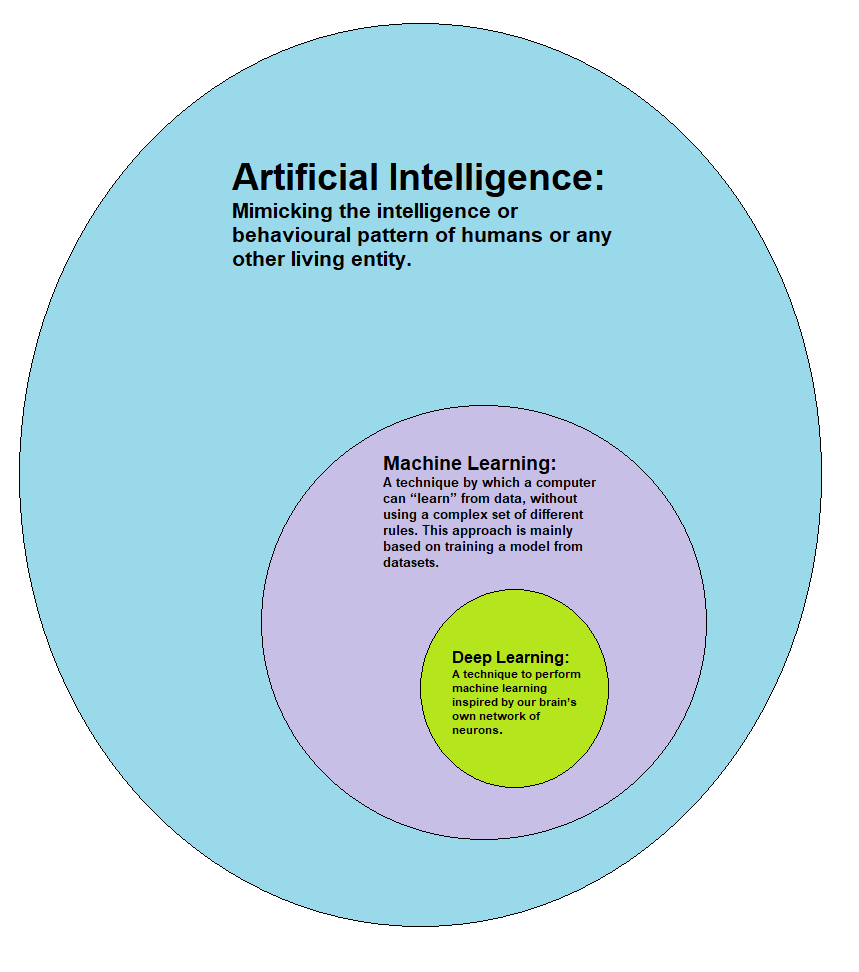
Artificial Intelligence, or AI, is about creating machines that can think, learn, and solve problems like humans do. It's a broad field in computer science focused on building smart systems capable of performing tasks that usually require human intelligence. This includes everything from understanding language to recognizing objects in a picture.
At its core, AI is the science of making machines smart.
Instead of following a rigid set of pre-programmed instructions, an AI system learns from data. It identifies patterns and makes decisions, adapting its behavior over time. Think of it like teaching a child. You don't write a rule for every single object they might see; instead, you show them examples, and they learn to recognize new things on their own. AI works in a similar way, but on a massive scale with vast amounts of data.
The Goals of AI
The ambition of AI is to replicate or simulate human intelligence in machines. This breaks down into several key objectives that drive the field forward.
| Goal | Description |
|---|---|
| Reasoning & Problem-Solving | To build systems that can analyze information and solve complex problems logically. |
| Knowledge Representation | To create ways for machines to store and retrieve information about the world. |
| Learning | To enable machines to improve their performance on a task by learning from experience. |
| Perception | To allow machines to see, hear, and sense the world around them using data from sensors. |
| Natural Language Processing | To help machines understand, interpret, and generate human language. |
Achieving these goals allows an AI to do more than just calculate numbers. It can plan the most efficient delivery route, identify early signs of a disease in a medical scan, or have a conversation with you through your smartphone. The ultimate aim is to create tools that can augment human capabilities and tackle problems we can't solve alone.
Why AI Matters Today
AI is no longer a concept from science fiction; it's a fundamental part of modern technology that shapes our daily lives and industries. Its significance lies in its ability to process huge amounts of data and uncover insights that would be impossible for a human to find.
In everyday life, AI powers many of the services we use without a second thought. When you get a movie recommendation on a streaming service, use a navigation app to find the fastest route, or see your spam emails filtered out, AI is working behind the scenes. It personalizes our digital experiences and makes them more efficient.
In industry, AI is driving a major transformation. Businesses use it to automate tasks, optimize supply chains, and enhance customer service with chatbots. In healthcare, AI helps doctors diagnose illnesses more accurately. In finance, it detects fraudulent transactions in real time. This ability to analyze, predict, and automate is what makes AI such a powerful force in the modern world.