Introduction to Artificial Intelligence
Introduction to Artificial Intelligence
What is Artificial Intelligence?
Artificial Intelligence, or AI, is about creating computer systems that can perform tasks that usually require human intelligence. This includes things like learning from experience, understanding language, recognizing objects in photos, and making decisions.
Artificial intelligence (AI) is a wide-ranging tool that enables people to rethink how we integrate information, analyze data, and use the resulting insights to improve decision making—and already it is transforming every walk of life.
Think about how you learn to ride a bike. At first, you might wobble and fall. But with practice, your brain learns to balance, steer, and pedal all at once. AI works in a similar way. It's not about programming a computer with a rigid set of rules for every possible situation. Instead, it's about building systems that can learn and adapt on their own.
This ability to learn is what makes AI so powerful. It allows computers to tackle complex problems that are messy, unpredictable, and full of patterns that might not be obvious to a human.
Artificial Intelligence
noun
The theory and development of computer systems able to perform tasks that normally require human intelligence, such as visual perception, speech recognition, decision-making, and translation between languages.
Why AI Matters Now
AI isn't just a futuristic concept from science fiction anymore. It's a technology that is actively shaping our world today. Two major forces have brought AI into the mainstream: massive amounts of data and powerful computers.
Every time you stream a movie, post on social media, or use a navigation app, you're creating data. We now have enormous datasets that AI systems can use to learn from. At the same time, computers have become powerful enough to process all this information quickly. This combination of big data and fast computing has unlocked AI's potential.
From personalized recommendations on streaming services to the spam filter in your email, AI is working behind the scenes to make everyday technology smarter and more helpful. It's becoming a fundamental part of how businesses operate and how we interact with the world.
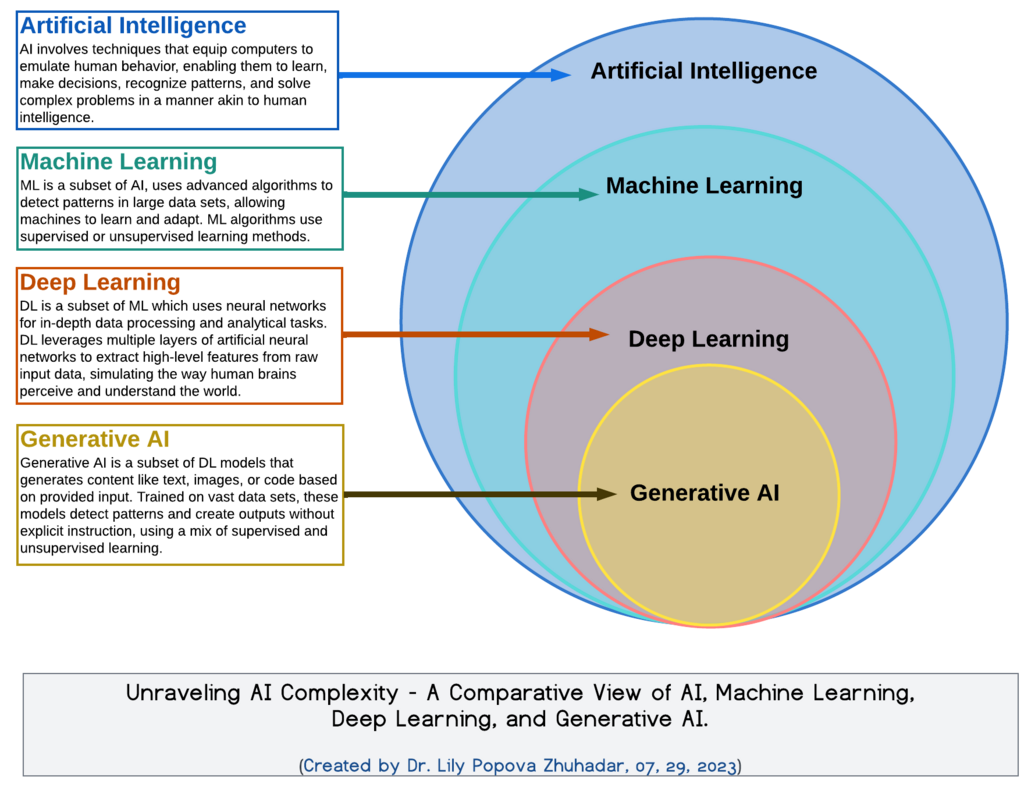
AI in Action
The applications of AI are incredibly diverse and are already present in many industries. It’s not just about robots; it's about using intelligent systems to solve practical problems.
| Industry | AI Application |
|---|---|
| Healthcare | Analyzing medical images like X-rays to detect diseases earlier. |
| Finance | Detecting fraudulent credit card transactions in real time. |
| Transportation | Powering self-driving cars and optimizing traffic flow in cities. |
| Entertainment | Recommending movies, music, and shows based on your viewing history. |
| Retail | Managing inventory and personalizing online shopping experiences. |
| Agriculture | Using drones and sensors to monitor crop health and optimize yields. |
These examples are just the beginning. As the technology continues to evolve, AI will likely find its way into even more aspects of our daily lives, changing how we work, learn, and connect with each other.
The goal of AI isn't to replace humans, but to augment our abilities. It's a tool that can help us process vast amounts of information, find hidden patterns, and make better-informed decisions.
Now, let's test your understanding of these core concepts.
What is the primary goal of Artificial Intelligence (AI)?
True or False: The text suggests that AI systems primarily operate by following a long, pre-programmed list of explicit instructions for every scenario.
This introduction gives you a starting point for understanding what AI is and why it's such an important topic. As you continue, you'll delve deeper into the specific methods and ideas that bring artificial intelligence to life.