Introduction to Artificial Intelligence
Introduction to Artificial Intelligence
What Is Artificial Intelligence?
Artificial Intelligence, or AI, is the science of making computers do things that normally require human intelligence. Think about how we learn. We observe, we make connections, and we adapt based on new information. The goal of AI is to build machines that can do the same.
At its core, AI is about creating systems that can correctly interpret data, learn from that data, and then use what they've learned to accomplish specific goals. It's not about creating a walking, talking robot from a sci-fi movie. Instead, it’s about enabling software to recognize patterns, make predictions, and decide on the best course of action.
Artificial Intelligence
noun
The theory and development of computer systems able to perform tasks that normally require human intelligence, such as visual perception, speech recognition, decision-making, and translation between languages.
This field is incredibly broad. It covers everything from an app that suggests your next song to complex systems that help doctors diagnose diseases. The common thread is the ability to process information and act on it in an intelligent way.
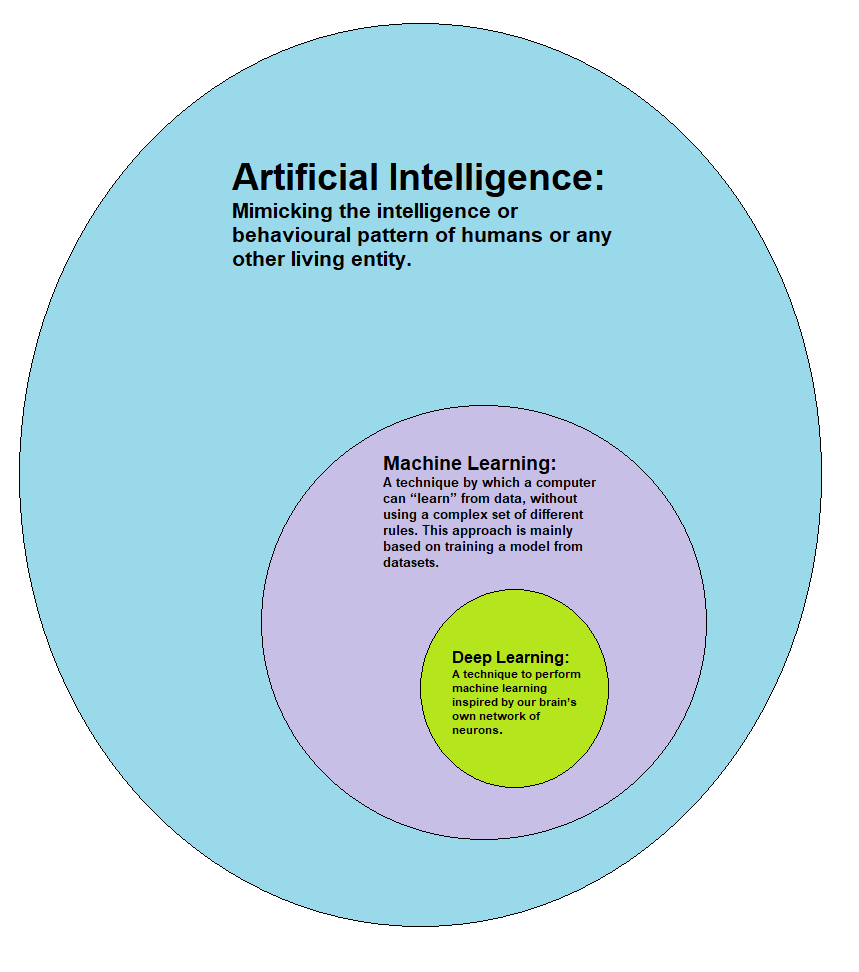
The fundamental goal of AI is not just to mimic humans, but to create systems that can reason and learn to solve problems effectively.
A Quick Trip Through Time
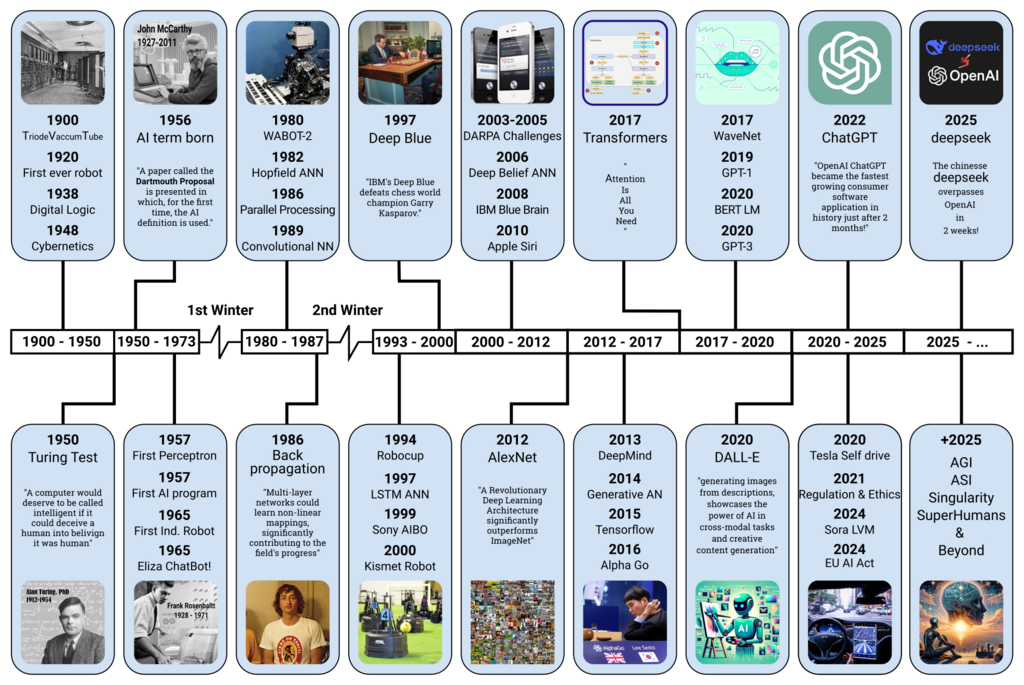
The idea of intelligent machines has been around for centuries, but the formal field of AI research began in the 1950s. The term "artificial intelligence" was first coined at a conference at Dartmouth College in 1956. Early researchers were optimistic, believing that a machine as intelligent as a human being was just a few decades away.
Progress wasn't always a straight line. The field experienced several "AI winters," periods when funding dried up and public interest faded because the technology couldn't live up to its initial hype. Early computers simply lacked the processing power and data needed to tackle complex problems.
Things began to change dramatically in the late 20th and early 21st centuries. The rise of the internet generated massive amounts of data, and advancements in computer hardware provided the necessary power to process it. These two factors—big data and powerful computers—fueled a resurgence in AI development that continues today.
Why AI Matters Now
Today, AI is no longer a futuristic concept; it's a part of our daily lives. It powers the recommendation engines on streaming services, helps our email clients filter out spam, and enables the voice assistants on our phones to answer questions.
AI's importance lies in its ability to automate tasks, analyze vast datasets, and find patterns that humans might miss. This has a profound impact, making systems more efficient, personalized, and capable. It’s a tool that amplifies human abilities, allowing us to solve more complex problems in fields ranging from scientific research to creative arts.
Understanding the basics of AI is becoming essential. As this technology continues to evolve, it will reshape industries and change how we interact with the world. Grasping its fundamental concepts is the first step toward navigating this new landscape.