Introduction to Artificial Intelligence
Introduction to Artificial Intelligence
What Is Artificial Intelligence?
Artificial intelligence, or AI, is the science of making computers do things that normally require human intelligence. Think about how you learn to ride a bike. You try, you fall, you adjust, and eventually, you figure it out. AI aims to create systems that can learn, reason, and solve problems in a similar way.
The broad term “artificial intelligence” refers to the simulation of human-level intelligence and thinking through the use of machines.
At its core, AI isn't about creating a machine that feels emotions or has consciousness. It's about building tools that can perceive their environment, understand patterns, and make decisions to achieve specific goals. Whether it's recognizing a cat in a photo or recommending your next favorite song, AI works by processing information and choosing a logical response.
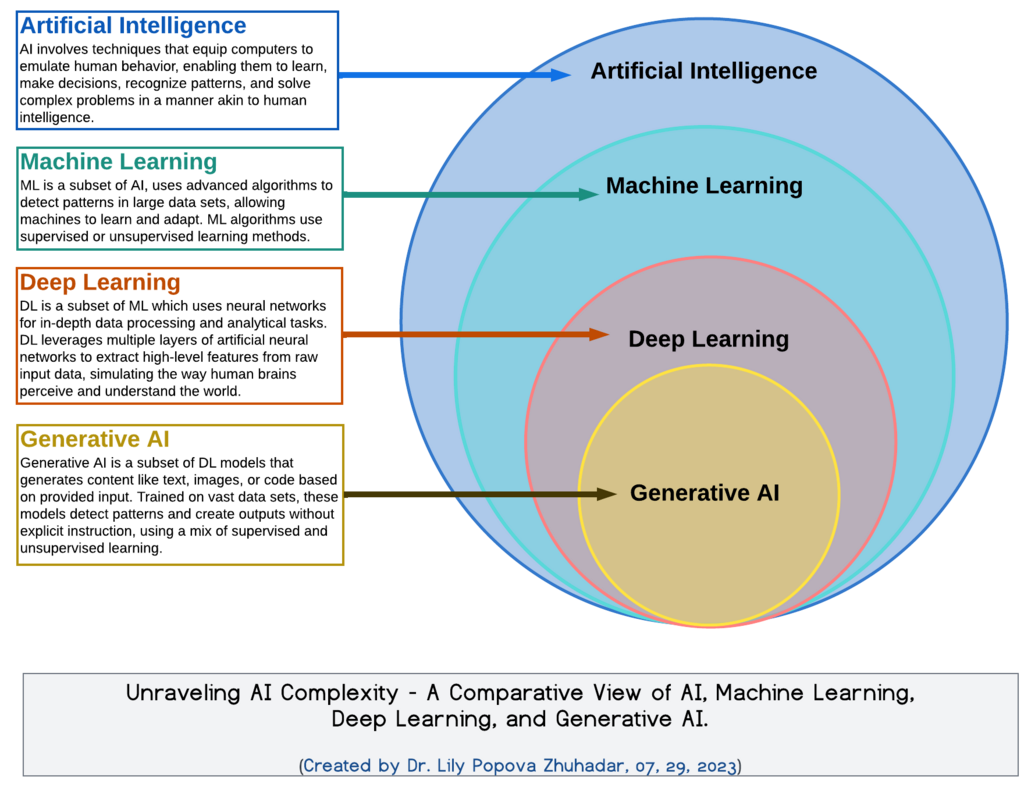
The Goals of AI
The primary objective of AI is to create technology that can think and act rationally. This broad goal breaks down into a few key areas.
Reasoning
noun
The process of using logic to draw conclusions or make inferences from information.
One major goal is problem-solving. This involves figuring out the steps needed to get from a starting point to a solution, like a GPS finding the fastest route through traffic.
Another is learning. Instead of being programmed for every possible situation, AI systems are designed to learn from data. They spot patterns and adjust their own behavior to become more accurate over time. This is how a spam filter gets better at catching junk email.
AI also aims for perception. This is how a system interprets raw data from the world, like using computer vision to “see” and identify objects in a video or using natural language processing to “hear” and understand spoken commands.
A Meeting of Minds
AI isn't just a single field; it's an intersection of many different disciplines. It borrows ideas and techniques from several areas to build intelligent systems.
| Field | Contribution to AI |
|---|---|
| Computer Science | Provides the algorithms, data structures, and computing power. |
| Cognitive Psychology | Offers models of how the human mind thinks, learns, and perceives. |
| Neuroscience | Inspires AI architectures, like neural networks, based on the brain's structure. |
| Linguistics | Helps AI understand and generate human language. |
| Philosophy | Explores the nature of intelligence and the ethical implications of AI. |
By drawing from these diverse fields, AI researchers can build more robust and capable systems. A computer scientist might write the code, but insights from psychology could help make a virtual assistant's conversation feel more natural. This interdisciplinary approach is what makes AI such a rich and rapidly evolving area of study.
AI sits at the crossroads of technology and the humanities, combining the logic of code with the study of human thought.
Why AI Matters Today
AI is no longer just a concept from science fiction. Its significance is growing because it has the power to automate complex tasks, analyze huge amounts of data, and help us find solutions to some of the world's biggest challenges.
From powering the recommendation engines on streaming services to helping doctors diagnose diseases earlier, AI is already an invisible but powerful part of modern life. It's changing how we work, communicate, and interact with technology every day. Understanding its basic principles is the first step toward grasping its profound impact on our world.
What is the primary objective of artificial intelligence as described in the text?
An online streaming service suggests a new TV show based on your viewing history. This is a practical application of which AI goal?