Introduction to Artificial Intelligence
Introduction to Artificial Intelligence
What Is Artificial Intelligence?
Artificial intelligence, or AI, is the science of making machines that can think or act like humans. At its core, AI is about creating systems that can perform tasks that typically require human intelligence. This includes things like learning from experience, understanding language, recognizing objects, and solving problems.
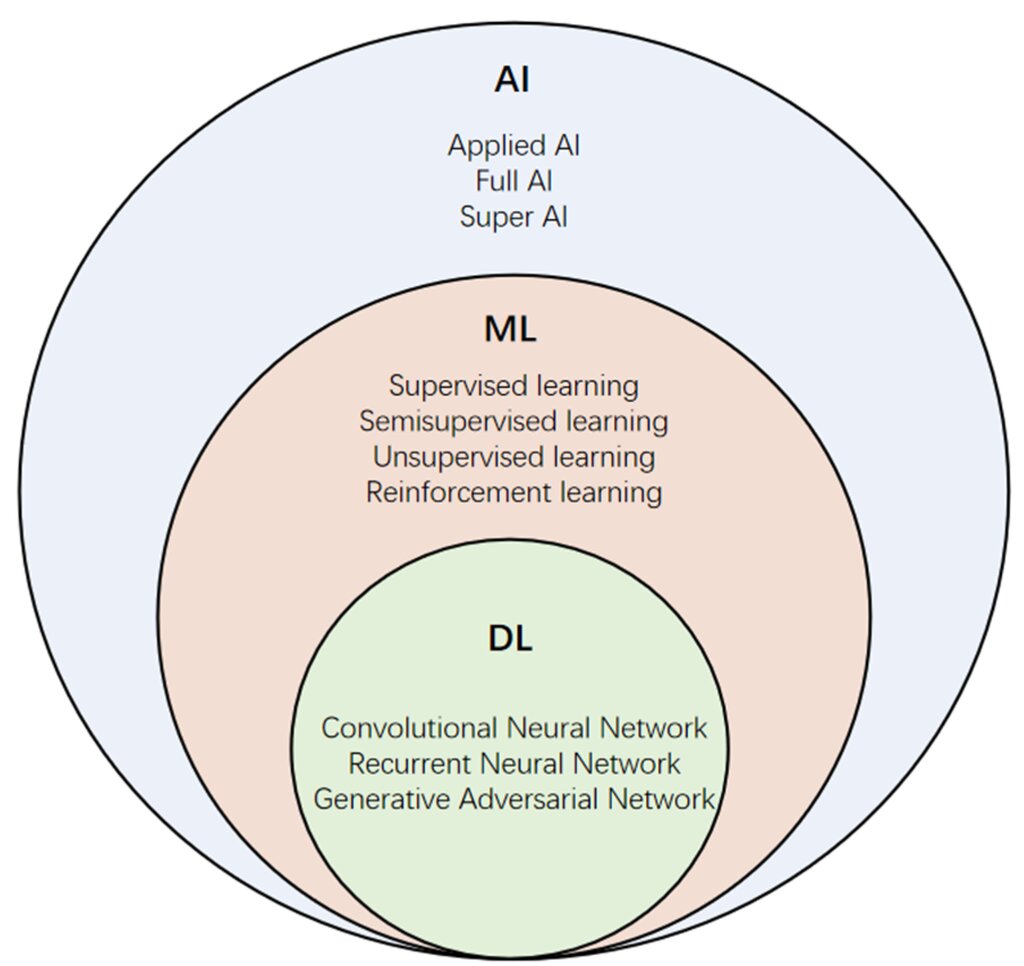
Think of it this way: AI is a broad field of computer science, not a single technology. It's an umbrella term that covers many different methods and approaches for building intelligent systems.
The goal isn't always to create a machine that thinks exactly like a person. Sometimes, the aim is to build a tool that can solve a specific problem more efficiently than a human could, like detecting diseases in medical scans or identifying fraudulent credit card transactions.
A Quick Trip Through Time
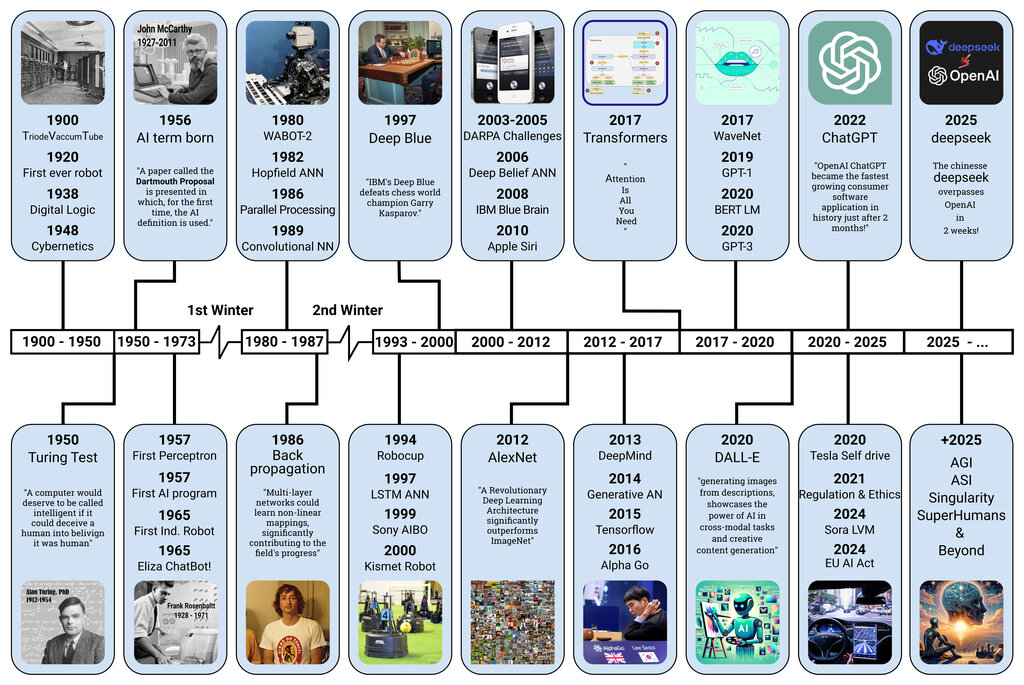
The idea of intelligent machines has been around for centuries, but the formal field of AI research began in the 1950s. A group of scientists gathered at Dartmouth College in 1956 to explore the concept of thinking machines, and it was there that the term "artificial intelligence" was coined.
Early researchers were incredibly optimistic, believing that human-level AI was just a few decades away. But the challenge proved much harder than expected. Progress slowed, leading to periods of reduced funding and interest known as "AI winters."
In recent decades, two key factors have changed everything: the availability of massive amounts of data and the development of powerful computers. These advancements have fueled a resurgence in AI, leading to the breakthroughs we see today.
The Building Blocks of AI
AI isn't magic. It's built on several key concepts and technologies that work together. Let's look at three of the most important pillars.
Machine Learning
noun
A branch of AI where computer systems learn from data to identify patterns and make decisions without being explicitly programmed for the task.
Machine learning, or ML, is the engine behind most modern AI. Instead of writing step-by-step instructions, developers feed an algorithm vast amounts of data and let it figure out the patterns on its own. It’s like teaching a child to recognize a dog by showing them thousands of pictures of dogs, rather than trying to describe a dog with a list of rules.
Natural Language Processing (NLP) is what allows machines to understand and respond to human language. Every time you ask a voice assistant for the weather, use a translation app, or see a chatbot pop up on a website, you're interacting with NLP. It's the bridge between human communication and computer understanding.
Computer Vision gives machines the ability to "see." It's the technology that enables your phone to recognize your face, lets self-driving cars identify pedestrians and traffic signs, and helps doctors analyze medical images. By processing pixels in images and videos, computer vision systems can identify objects and interpret scenes.
Big Questions and Responsibilities
As AI becomes more powerful, it raises important questions about its impact on society. These aren't just technical challenges; they're ethical ones.
One of the biggest concerns is bias. If an AI system is trained on biased data, its decisions will also be biased. For example, if a hiring algorithm is trained on historical data from a company that predominantly hired men, it might learn to unfairly favor male candidates. Ensuring fairness and preventing discrimination is a critical task for AI developers.
Privacy is another major issue. Many AI systems rely on collecting large amounts of personal data to function. This raises questions about how that data is used, who has access to it, and how it can be protected from misuse. We need clear rules to govern data collection and ensure individuals' privacy is respected.
Finally, the societal impact of AI on jobs is a frequent topic of discussion. While AI will automate certain tasks and change the job market, it also has the potential to create new roles and industries. The challenge is to manage this transition by supporting workers and ensuring the benefits of AI are shared broadly across society.
Use of artificial intelligence (AI) in human contexts calls for ethical considerations for the design and development of AI-based systems.
Now, let's test your understanding of these foundational concepts.
What is the primary goal of Artificial Intelligence?
The term "Artificial Intelligence" was first coined at a conference held at which institution in 1956?
Understanding these core ideas provides a solid base for exploring the fascinating world of artificial intelligence.