Introduction to Artificial Intelligence
Introduction to Artificial Intelligence
What Is Artificial Intelligence?
Think about how a small child learns to identify a cat. At first, they might not know the difference between a cat and a small dog. But after seeing a few cats and being told, "that's a cat," their brain starts to build a model. They learn the key features: pointy ears, whiskers, a certain way of moving. Soon, they can correctly identify a cat they've never seen before.
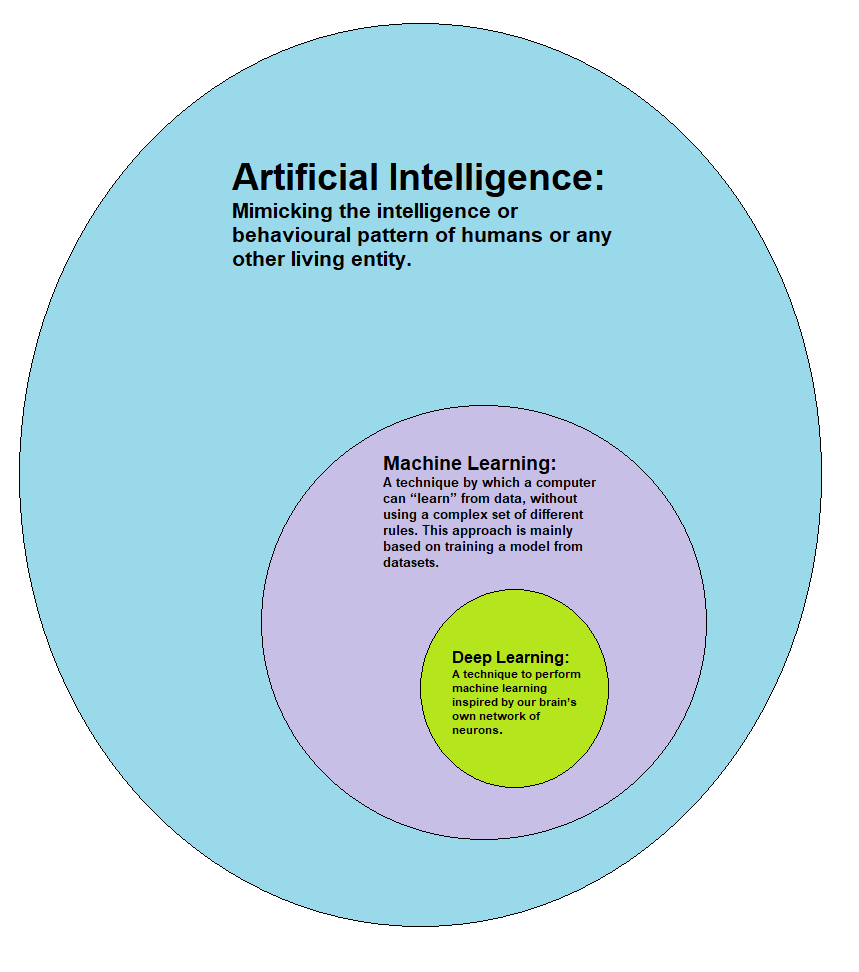
Artificial intelligence, or AI, is the science of teaching computers to do something similar. It's about building systems that can learn, reason, and solve problems in ways that traditionally require human intelligence.
The core idea is to create machines that can perform tasks by simulating human thought processes, from understanding language to recognizing objects.
This means AI isn't just about following a pre-written list of instructions. Instead, it involves creating complex systems that can process information, learn from data, and adapt their behavior to achieve specific goals.
The Goals of AI
The field of AI has several core objectives that guide its development. These goals aren't about creating conscious robots from science fiction, but about building powerful tools to help us.
Reasoning
noun
The action of thinking about something in a logical, sensible way.
One primary goal is problem-solving and reasoning. This involves programming computers to use logic to make decisions, plan actions, and solve puzzles, whether it's finding the best move in a game of chess or optimizing a delivery route.
Another key objective is learning. Just as humans learn from experience, AI systems are designed to learn from data. An AI can analyze thousands of images to learn how to spot a manufacturing defect or listen to countless hours of audio to understand speech patterns. This ability to improve over time without being explicitly reprogrammed is a cornerstone of modern AI.
Finally, AI aims to achieve perception. This is the ability to understand the world through sensory data. For an AI, this could mean interpreting images from a camera (computer vision), understanding spoken words from a microphone (speech recognition), or processing written text (natural language processing).
Why AI Matters Now
Artificial intelligence has moved from research labs into our daily lives. Its significance in modern technology is enormous because it provides a new way to solve problems that were once thought to be impossible for machines.
The world generates a staggering amount of data every day. AI gives us the tools to analyze this data, find hidden patterns, and gain valuable insights. This ability helps businesses make smarter decisions, scientists accelerate research, and doctors improve diagnoses.
Furthermore, AI is a powerful engine for automation. It can handle repetitive, complex tasks with speed and accuracy, freeing up human workers to focus on more creative and strategic challenges. From managing supply chains to powering recommendation engines on streaming services, AI enhances efficiency and creates new possibilities.
Ultimately, AI is significant because it acts as an amplifier for human intellect, helping us tackle some of the world's most complex challenges in medicine, climate science, and beyond.
Now, let's test your understanding of these fundamental concepts.
Based on the cat analogy, what is the core idea behind how AI learns?
Which of the following is NOT a primary objective of AI as described in the text?
AI is a foundational technology that is reshaping how we interact with the world. By understanding its core definition, goals, and significance, you're ready to explore its different facets and applications.