Introduction to Artificial Intelligence
Introduction to AI
What Is AI, Really?
At its core, Artificial Intelligence (AI) is about teaching machines to think, learn, and solve problems in ways that mimic human intelligence. Think of it like teaching a very powerful, very fast student. You don't just give it a list of instructions to follow blindly. Instead, you give it examples, let it identify patterns, and allow it to make decisions on its own. The goal is to create systems that can perform tasks that typically require a human mind, such as understanding language, recognizing images, and making complex choices.
AI isn't about creating a machine that has feelings or consciousness. It's about building tools that can process information and execute tasks intelligently.
Artificial Intelligence
noun
The simulation of human intelligence in machines that are programmed to learn, reason, and perceive their environment, enabling them to perform tasks and solve problems.
This intelligence isn't a single thing. It's a spectrum of capabilities. Some AI is designed for a very specific task, like playing chess or identifying spam emails. This is known as Narrow AI, and it's what we see all around us today. Other, more advanced forms that could theoretically handle any intellectual task a human can are still the subject of research and development.
AI in Your Daily Life
You might not always notice it, but AI is already a part of your daily routine. When your favorite streaming service suggests a new show you end up loving, that’s AI analyzing your viewing habits. When you use a map app to find the fastest route, AI is predicting traffic patterns in real-time.
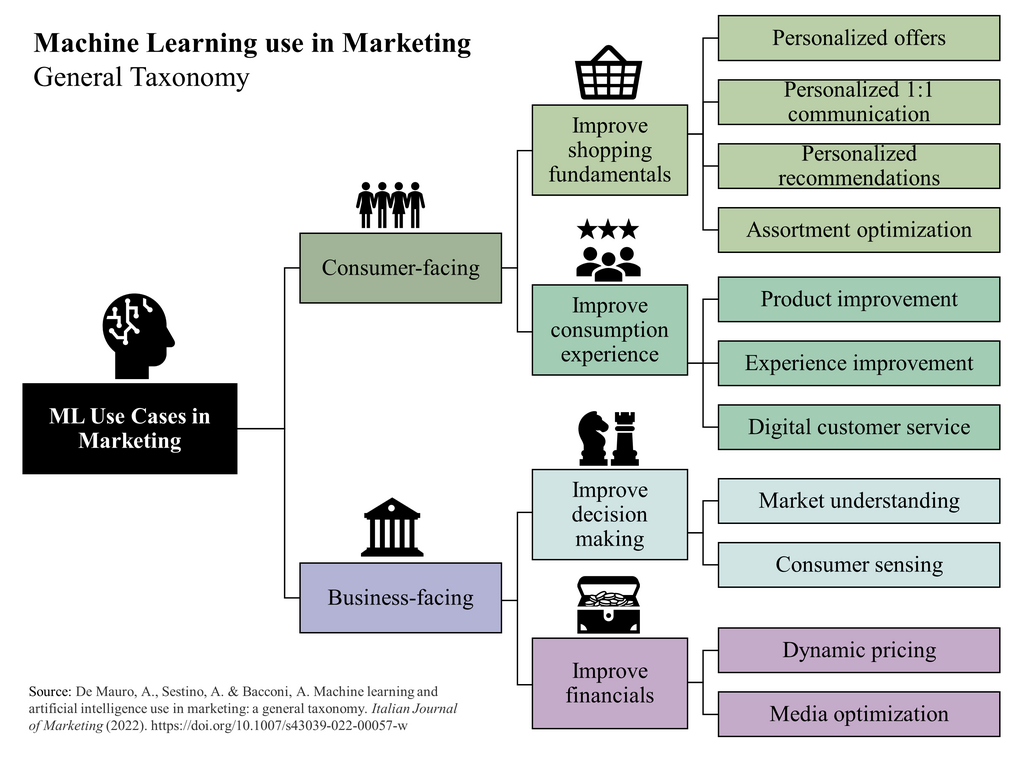
But its applications go far beyond personal convenience. AI is making a significant impact in many industries:
| Industry | AI Application |
|---|---|
| Healthcare | Analyzing medical images like X-rays to detect diseases earlier. |
| Finance | Identifying fraudulent transactions by spotting unusual spending patterns. |
| Retail | Powering recommendation engines and managing inventory. |
| Transportation | Developing self-driving cars and optimizing logistics for delivery services. |
| Agriculture | Using drones and sensors to monitor crop health and optimize yields. |
In each case, AI systems sift through vast amounts of data to find patterns and make predictions far more efficiently than a human ever could. This allows professionals to make better, more informed decisions.
Where AI Is Headed
The field of AI is moving incredibly fast. One of the most significant current trends is the rise of Generative AI. These are models, like the ones that power chatbots and image creators, that can produce new, original content. Instead of just analyzing existing data, they can generate text, images, code, and even music that is often indistinguishable from human-created work.
Generative AI is shifting the focus from understanding data to creating with it. This opens up new possibilities for creativity, automation, and problem-solving.
Another major trend is making AI more accessible. We're moving away from a world where only specialized experts could build AI systems. Today, more user-friendly tools and platforms are allowing people from all backgrounds to experiment with and build AI applications.
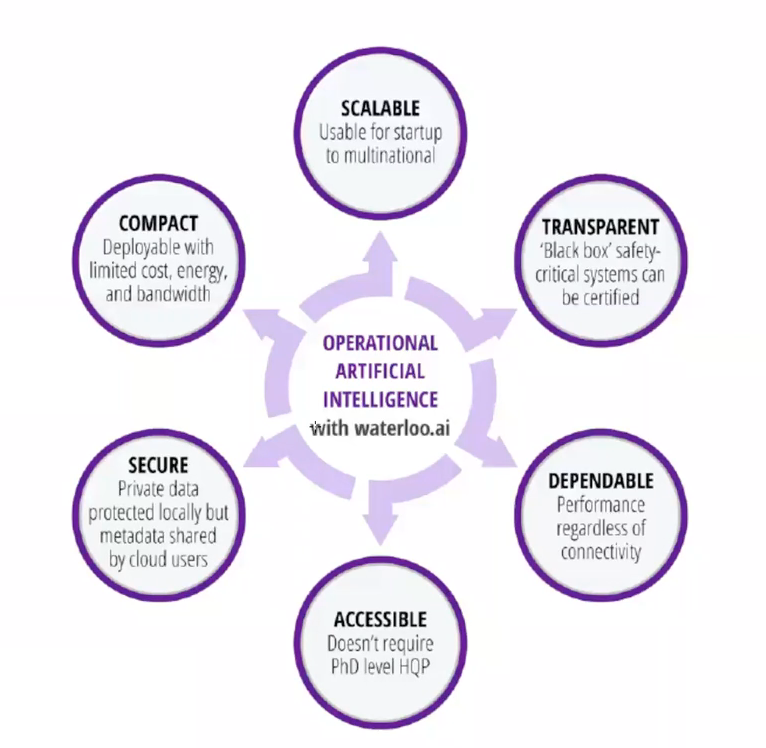
Finally, there's a growing emphasis on Operational AI. This means integrating AI directly into core business processes to automate tasks and improve efficiency on a large scale. It’s about making AI a reliable, everyday tool for getting work done, not just a futuristic concept.
Let's check your understanding of these fundamental concepts.
What is the fundamental goal of Artificial Intelligence?
The AI that suggests a faster driving route on your map app by analyzing real-time traffic is an example of what?
This is just the beginning of what AI can do. By understanding its basic definition, seeing its current applications, and knowing where the technology is heading, you're ready to explore this transformative field in more detail.