Introduction to Artificial Intelligence
Introduction to Artificial Intelligence
What Is AI?
Artificial intelligence, or AI, is about creating machines that can think, learn, and solve problems like humans do. It's a branch of computer science focused on building smart systems that can perform tasks that typically require human intelligence.
The core goal of AI is to simulate human intelligence in machines.
This doesn't just mean making a computer that can calculate faster. It means developing systems that can perceive their environment, reason through complex information, make decisions, and even understand language. The ultimate objective is to create tools that can augment human capabilities and tackle problems we can't solve alone.
intelligence
noun
The ability to acquire and apply knowledge and skills.
A Field of Many Fields
AI isn't a standalone subject. It borrows ideas and techniques from many different disciplines. To build a machine that thinks, you need more than just code.
Here’s a breakdown of the key contributors:
- Computer Science: This provides the fundamental tools for AI, including algorithms, data structures, and computational power.
- Cognitive Psychology: By studying how humans think, learn, and perceive the world, psychologists provide models that AI researchers can try to replicate in machines.
- Neuroscience: Understanding the physical structure of the brain and how neurons connect gives AI developers inspiration for designing new types of computational networks.
Together, these fields create a powerful synergy. Computer science builds the systems, psychology provides the blueprint for intelligence, and neuroscience offers a look at the biological hardware that makes it all possible.
The Branches of AI
AI is a broad field with many specialized subfields. While they often overlap, each focuses on a different aspect of intelligence. Some of the most important branches are Machine Learning, Deep Learning, and Natural Language Processing.
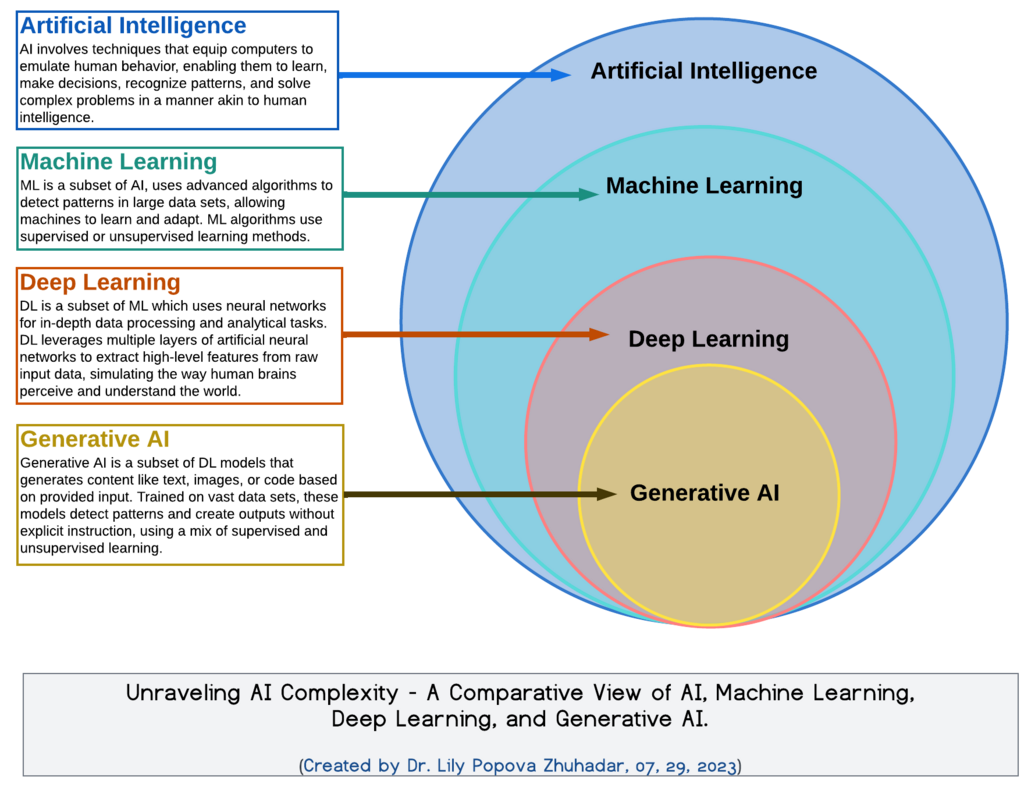
Let's quickly look at what these mean:
-
Machine Learning (ML): This is a core part of modern AI. Instead of being explicitly programmed with rules, ML systems learn patterns directly from data. They get better at tasks over time with more experience.
-
Natural Language Processing (NLP): This subfield gives machines the ability to understand, interpret, and generate human language. Chatbots and translation apps are common examples of NLP in action.
-
Robotics: This area combines AI with physical engineering to create machines that can move and interact with the physical world. Self-driving cars and automated factory arms are products of robotics.
These are just a few examples. As you continue, you'll see how these different branches work together to create the powerful AI applications we use every day.
Time for a quick check-in on what you've learned.
What is the primary goal of Artificial Intelligence?
A smartphone app that translates a spoken sentence from one language to another is a primary example of which AI subfield?