Introduction to Artificial Intelligence
Introduction to Artificial Intelligence
What Is Artificial Intelligence?
Artificial intelligence, or AI, is the science of making machines that can think, learn, and solve problems like humans. The goal is to create systems that can perform tasks that normally require human intelligence. This includes everything from understanding spoken language to recognizing faces in a crowd or even driving a car.
Artificial Intelligence
noun
A field of computer science dedicated to creating systems capable of performing tasks that typically require human intelligence, such as visual perception, speech recognition, decision-making, and translation between languages.
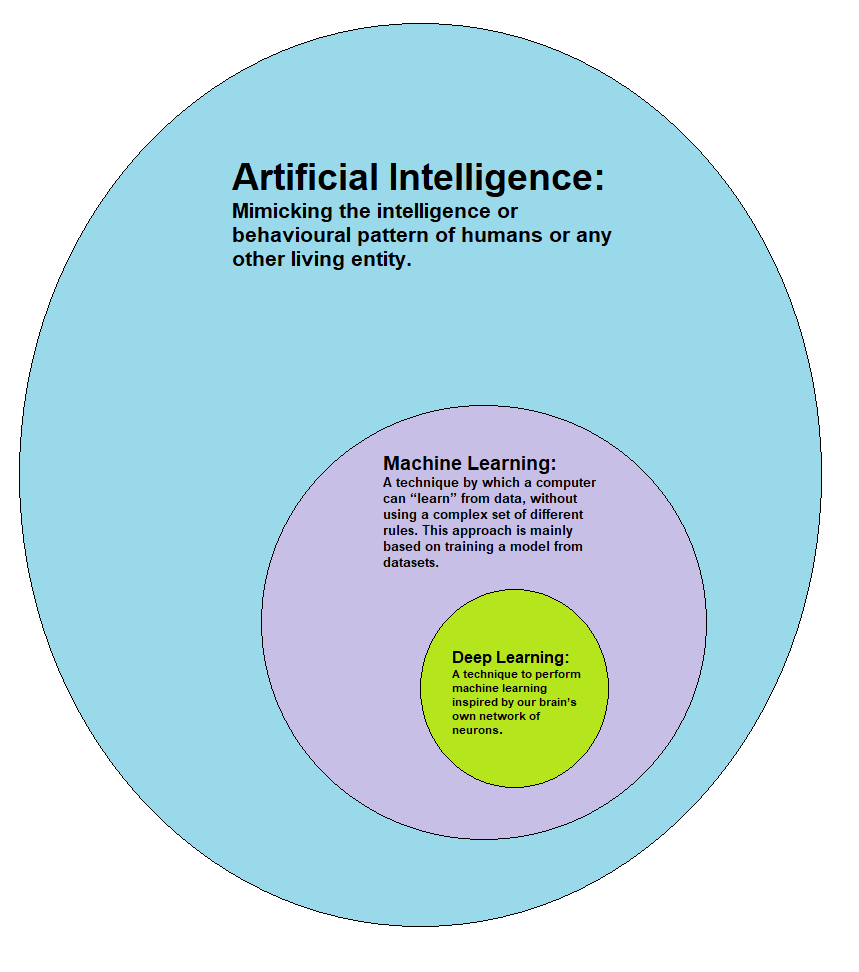
At its core, AI isn't about creating a single super-brain. It's a broad field with many sub-disciplines. You've likely heard terms like machine learning and deep learning. These are specific techniques within the larger world of AI. Machine learning allows computers to learn from data without being explicitly programmed. Deep learning, a subset of machine learning, uses complex structures called neural networks to find intricate patterns in vast amounts of data.
A Quick History of AI
The dream of intelligent machines has been around for centuries, but the formal field of AI research began in the mid-20th century. Early pioneers believed that a thinking machine was just around the corner.
The term "Artificial Intelligence" was officially coined in 1956 at a conference at Dartmouth College. This event is widely considered the birthplace of AI as an academic field.
Early AI, often called "Symbolic AI" or "Good Old-Fashioned AI," focused on programming computers with logical rules. A system might be told, "If the light is red, then stop." This worked for simple, well-defined problems but struggled with the messiness of the real world. The complexity of human tasks was far greater than researchers anticipated, leading to periods of reduced funding and interest known as "AI winters."
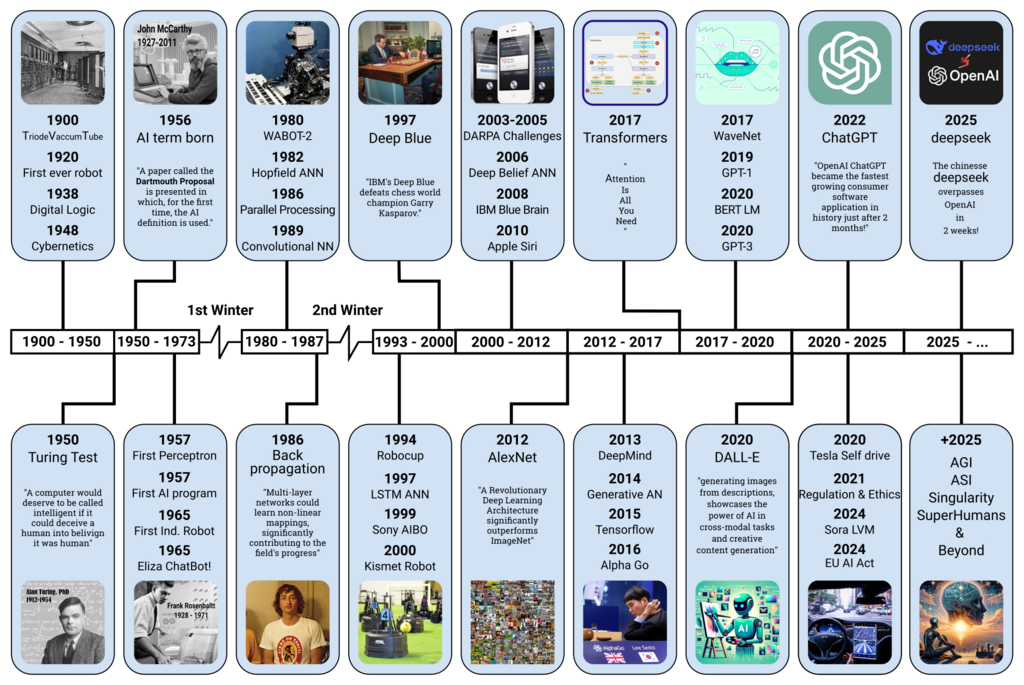
The game changed with the rise of the internet, which brought two crucial ingredients: massive amounts of data and more powerful computers. This fueled the growth of machine learning, shifting the focus from writing rules to letting machines discover patterns on their own.
How AI Learns
Modern AI is built on a few core principles. Instead of being programmed with rules for every possible situation, AI systems are trained on data.
Think of it like teaching a child to recognize a cat. You don't list out rules like "has pointy ears, has whiskers, has a tail." You just show them many pictures of cats. Eventually, they learn to identify a cat on their own, even one they've never seen before.
This process involves three key ideas:
-
Data-Driven Learning: AI models are fed vast datasets. A facial recognition system might be trained on millions of images of faces, while a language model like ChatGPT is trained on a massive portion of the internet's text.
-
Pattern Recognition: The AI's job is to find the underlying patterns in this data. It learns what features consistently appear together. For example, it might learn that the pixels forming whiskers and pointy ears often appear in images labeled "cat."
-
Decision-Making: Once trained, the AI can use these learned patterns to make predictions or decisions about new, unseen data. It can look at a new photo and decide, based on the patterns it recognizes, whether it contains a cat.
AI in the Real World
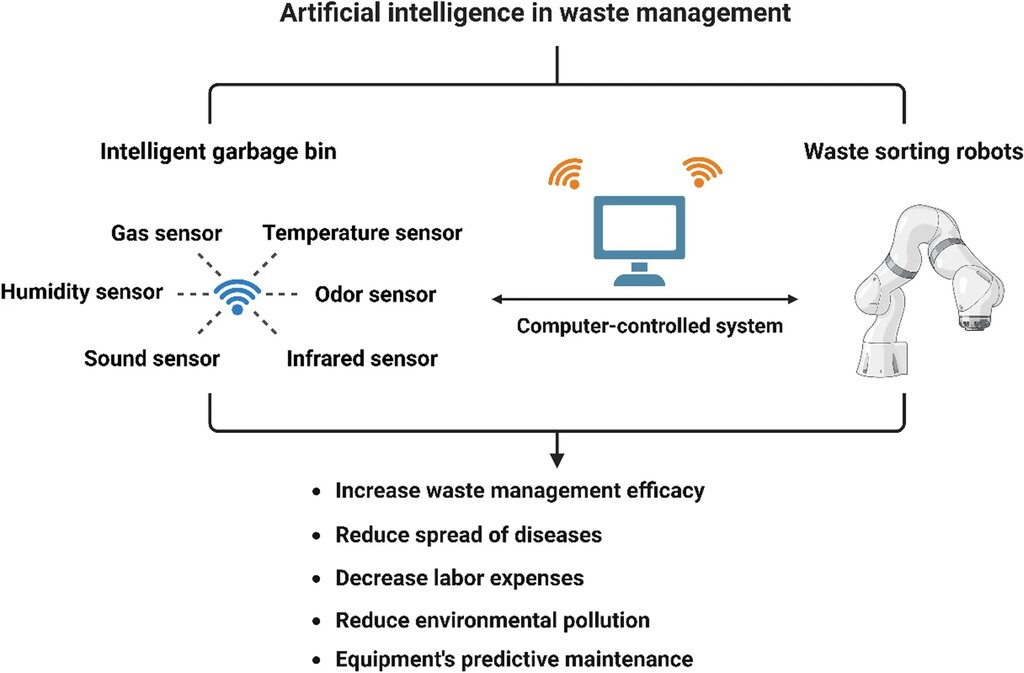
AI is no longer science fiction; it's a part of our daily lives. Its impact is growing across nearly every industry, transforming how we work, communicate, and solve problems.
-
Healthcare: AI helps doctors diagnose diseases earlier and more accurately by analyzing medical images like X-rays and MRIs. It also helps in discovering new drugs by predicting how different molecules might interact.
-
Finance: Banks use AI to detect fraudulent transactions in real time, saving customers from theft. It's also used in algorithmic trading and to assess credit risk more fairly.
-
Transportation: Self-driving cars use a sophisticated combination of AI-powered computer vision and decision-making to navigate roads safely. Ride-sharing apps use AI to predict demand and match drivers with riders efficiently.
-
Entertainment: Streaming services like Netflix and Spotify use AI to analyze your viewing and listening habits. Their recommendation engines then suggest new movies, shows, and songs you're likely to enjoy.
From the simple spam filter in your email to the complex systems guiding space exploration, AI is a foundational technology. Understanding its basic principles is the first step to navigating the future it's helping to create.