Introduction to Artificial Intelligence
Introduction to AI
What Is Artificial Intelligence?
Artificial intelligence is the science of making machines that can think like humans. The goal is to create systems that can learn, reason, perceive, and solve problems on their own. Instead of programming a computer with a specific set of instructions for every single task, AI allows the machine to figure out the best approach by analyzing data.
Artificial Intelligence
noun
A field of computer science dedicated to creating systems capable of performing tasks that typically require human intelligence, such as learning, reasoning, and problem-solving.
Think of it like teaching a child. You don't write a rulebook for identifying a cat. You show them pictures of cats. Eventually, they learn the patterns and can spot a cat they've never seen before. AI works in a similar way, but on a much larger scale, using data instead of picture books.
The Birth of an Idea
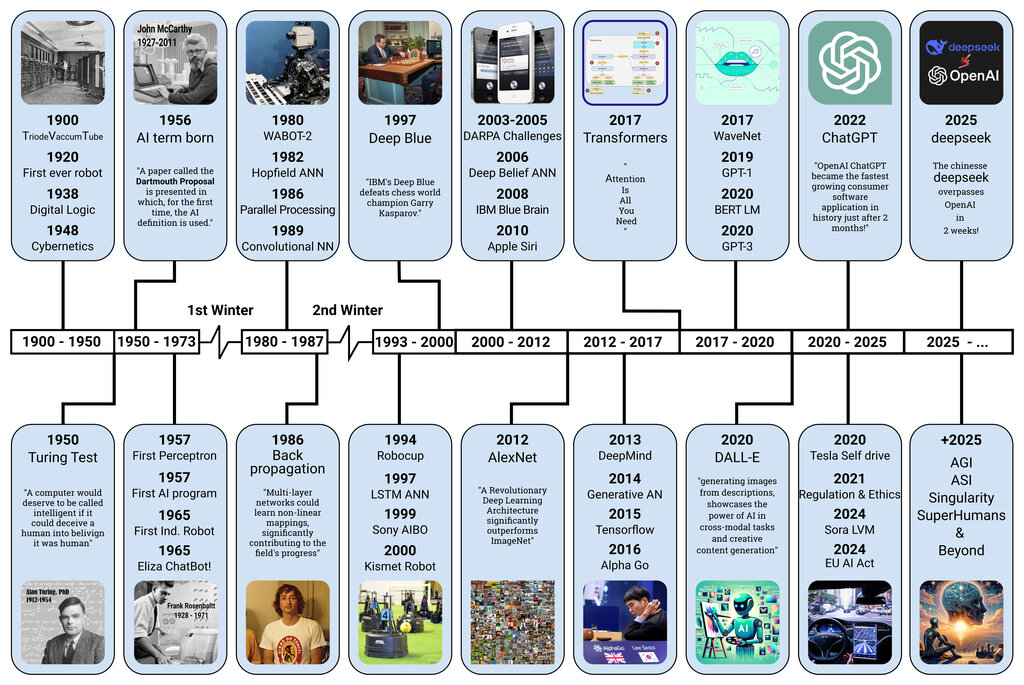
The concept of intelligent machines has been around for centuries, but the modern field of AI truly began in the mid-20th century. One of the earliest pioneers was British mathematician Alan Turing. In 1950, he proposed a test to determine if a machine could exhibit intelligent behavior indistinguishable from that of a human. This became known as the Turing Test and laid the philosophical groundwork for AI research.
The field got its name a few years later. In the summer of 1956, a group of scientists gathered at Dartmouth College for a workshop. Led by figures like John McCarthy and Marvin Minsky, they officially coined the term "artificial intelligence" and kicked off decades of research. Their goal was ambitious: to explore ways machines could use language, form concepts, and solve problems reserved for humans.
The 1956 Dartmouth workshop is widely considered the moment AI was founded as an academic field.
From Winter to Spring
The early years of AI were filled with excitement, but progress was slow. The computers of the time were not powerful enough to handle the complex calculations required. This led to periods known as "AI winters," when funding dried up and public interest waned.
But the seeds planted by the early pioneers eventually sprouted. A major shift occurred with the rise of machine learning. Instead of trying to program intelligence with complex, handcrafted rules, researchers started building systems that could learn directly from data. This approach was far more flexible and powerful.
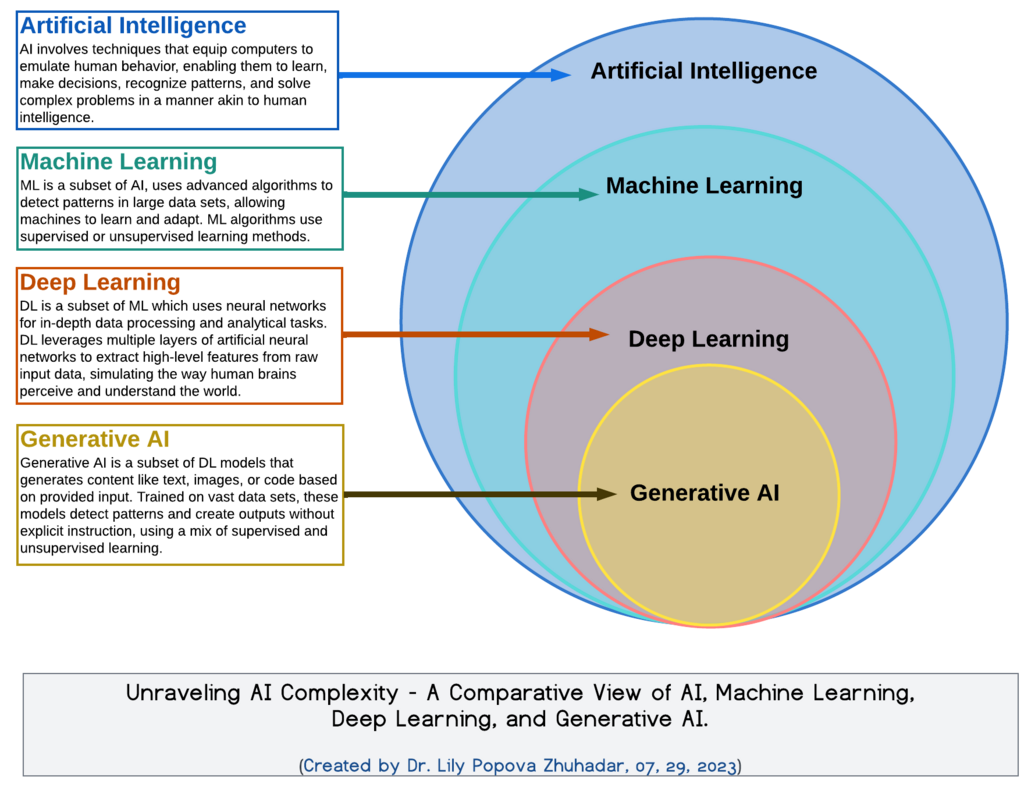
This evolution continued with the development of neural networks, inspired by the structure of the human brain. These networks, especially a type called deep learning models, proved incredibly effective at tasks like recognizing images and understanding speech. The explosion of available data and the massive increase in computing power fueled this new "AI spring," leading to the powerful tools we see today.
What is the fundamental goal of Artificial Intelligence?
The Turing Test was proposed to determine if a machine could successfully replace a human in the workforce.