Introduction to Artificial Intelligence
Introduction to Artificial Intelligence
What Is Artificial Intelligence?
Artificial intelligence, or AI, is about making machines that can think and learn like humans. It's a broad field in computer science focused on creating systems that can perform tasks that typically require human intelligence. This includes things like understanding language, recognizing patterns, solving problems, and making decisions.
At its core, Artificial Intelligence refers to the simulation of human intelligence in machines programmed to think, learn, and problem-solve.
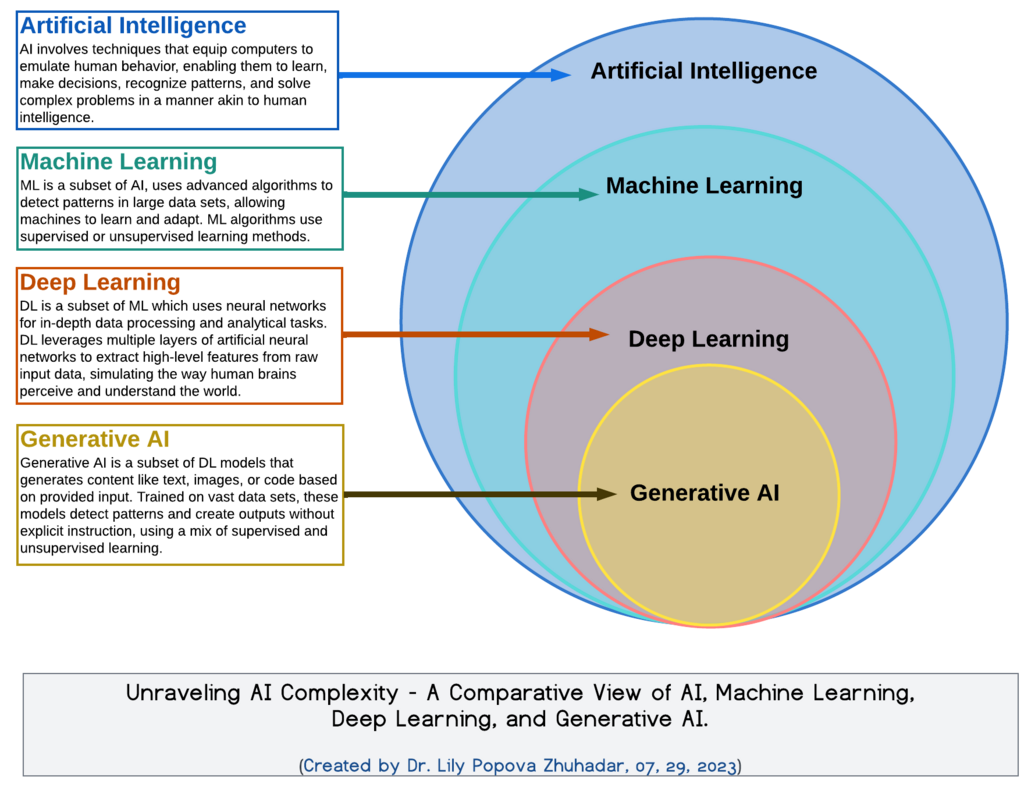
Think of it less as a single technology and more as an umbrella term for a range of methods and tools. Just as "biology" covers everything from tiny cells to entire ecosystems, "AI" covers everything from simple rule-based systems to complex neural networks that mimic the human brain.
A Brief History of AI
The idea of intelligent machines has been around for centuries, but the modern field of AI officially began in the summer of 1956. A group of researchers gathered at Dartmouth College for a workshop where they coined the term "artificial intelligence" and laid out the field's foundational goals.
The early years were full of optimism. Researchers developed programs that could solve algebra problems and prove theorems. But progress was slower than expected. The complexity of creating true intelligence led to periods known as "AI winters," when funding and interest dwindled.
The key challenges were a lack of computing power and insufficient data to train the systems.
Everything changed in the 21st century. The explosion of the internet provided massive amounts of data, and advancements in computer hardware gave us the processing power needed to analyze it. This combination fueled a renaissance in AI, leading to the rapid progress we see today.

The Major Fields of AI
AI isn't just one thing. It's a collection of specialized subfields, each focusing on a different aspect of intelligence. Let's look at three of the most important ones.
Machine Learning
noun
A subfield of AI where systems are trained on data to find patterns and make predictions without being explicitly programmed for that task. Instead of writing rules, you let the machine learn the rules from examples.
Machine learning (ML) is the engine behind many AI applications you use every day. It's how your email sorts spam, your streaming service recommends movies, and your bank detects fraudulent transactions. The core idea is to learn from data.
Deep Learning is a specialized type of machine learning that uses structures called neural networks, which are inspired by the human brain. These networks have many layers, allowing them to learn very complex patterns from vast amounts of data. Deep learning is what powers image recognition, self-driving cars, and advanced voice assistants.
Natural Language Processing
noun
A field of AI that focuses on enabling computers to understand, interpret, and generate human language. It bridges the gap between human communication and computer understanding.
Finally, Natural Language Processing (NLP) gives machines the ability to read, write, and understand human language. When you ask your smart speaker for the weather, use a translation app, or see a chatbot pop up on a website, you're interacting with NLP. It's a crucial part of making AI feel more natural and intuitive to use.
These subfields are the building blocks of modern AI, each contributing to the creation of more capable and intelligent systems.
Ready to check your understanding?
Which statement best describes the relationship between Artificial Intelligence (AI), Machine Learning (ML), and Deep Learning?
The term "artificial intelligence" was officially coined at a workshop in 1956. Where was this foundational event held?
Understanding these core concepts provides a solid foundation for exploring the exciting world of artificial intelligence.