Introduction to Artificial Intelligence
Introduction to Artificial Intelligence
What is Artificial Intelligence?
Artificial Intelligence, or AI, is about creating computer systems that can perform tasks that typically require human intelligence. Think about how you learn from experience, understand language, or recognize a friend's face in a crowd. AI aims to build machines that can do similar things.
This introduction to this special issue discusses artificial intelligence (AI), commonly defined as “a system’s ability to interpret external data correctly, to learn from such data, and to use those learnings to achieve specific goals and tasks through flexible adaptation.”
At its core, AI isn't about creating a thinking, feeling robot like you see in the movies. It's about designing smart software that can analyze information and make predictions or decisions. This could be as simple as a spam filter catching junk email or as complex as a system that helps doctors diagnose diseases.
Artificial Intelligence
noun
The theory and development of computer systems able to perform tasks that normally require human intelligence, such as visual perception, speech recognition, decision-making, and translation between languages.
AI has become a powerful force in modern society, quietly working behind the scenes in many of the tools we use every day. From recommending your next favorite song to helping farmers grow more food, its impact is widespread and growing. It’s changing how businesses operate, how we connect with each other, and how we solve some of the world's biggest challenges.
The Different Flavors of AI
AI isn't a single thing; it's a broad field with different levels of capability. The systems we have today are very different from the intelligent machines imagined in science fiction. We can sort AI into three main categories based on what it can do.
| Type | Capability | Status |
|---|---|---|
| Narrow AI (ANI) | Excels at a single, specific task. | All current AI systems. |
| General AI (AGI) | Can understand, learn, and apply knowledge across a wide range of tasks, just like a human. | Theoretical; does not exist yet. |
| Super AI (ASI) | Surpasses human intelligence in every way, from creativity to problem-solving. | Hypothetical; a distant future concept. |
Everything we call "AI" today is Artificial Narrow Intelligence (ANI). These systems are specialists. The AI that beats a grandmaster at chess can't drive a car. The AI that filters your email doesn't know how to recommend a movie. They are incredibly powerful and useful for their designed purpose, but they operate within a limited context.
Artificial General Intelligence (AGI) is the next frontier. This is the type of AI that could, in theory, perform any intellectual task a human can. It could learn to write a poem, invent a new gadget, or understand a joke. We are not there yet, and building AGI is one of the most complex challenges in computer science.
Beyond that lies Artificial Superintelligence (ASI), a hypothetical form of AI that would be smarter than the most brilliant human minds. This concept raises profound questions about the future of humanity, but for now, it remains firmly in the realm of speculation.
AI in Action
So where can you find AI today? It's more common than you might think. Many industries have embraced AI to improve their services and create new possibilities.
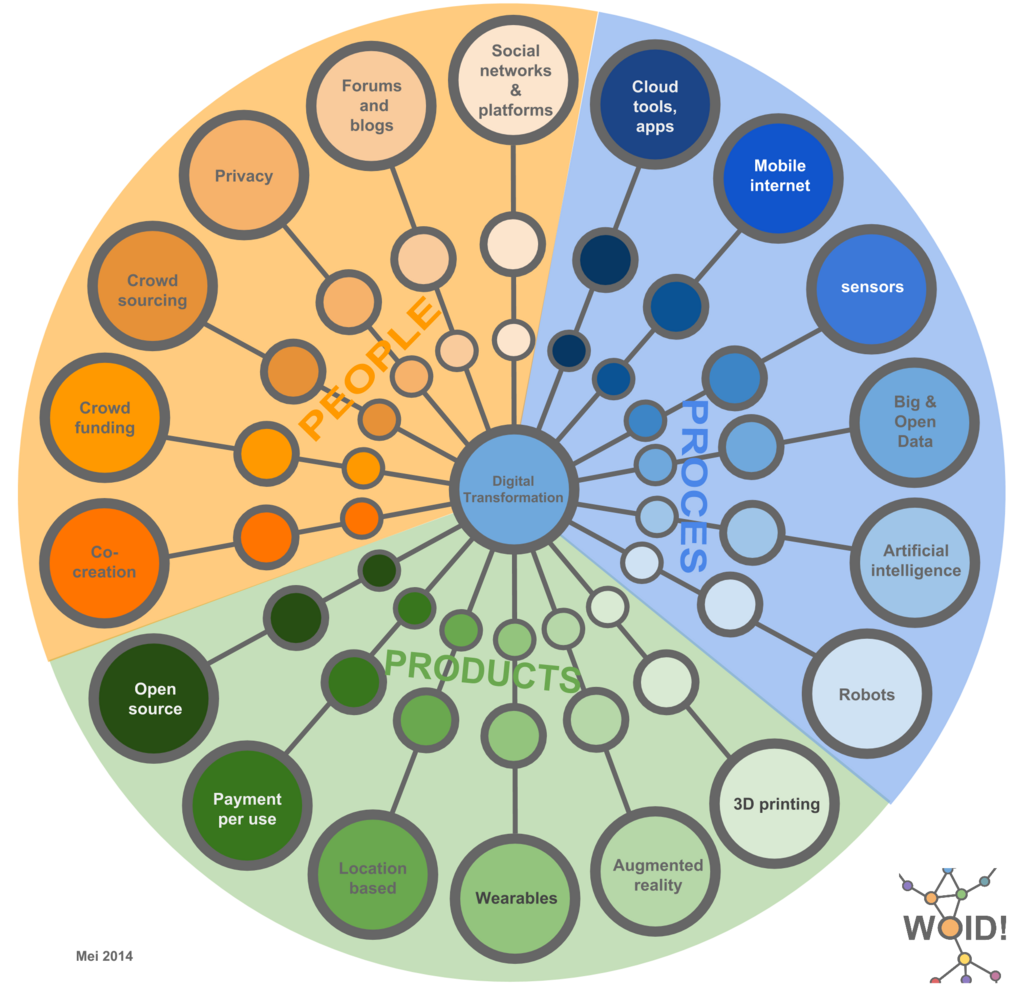
Here are just a few examples:
- Healthcare: AI helps analyze medical images like X-rays and MRIs, assisting doctors in spotting diseases earlier and more accurately.
- Finance: Banks use AI to detect fraudulent transactions in real-time, protecting customers' accounts. It also powers automated trading and risk assessment.
- Entertainment: Streaming services use AI to learn your preferences and recommend movies, shows, and music tailored to your tastes.
- Transportation: AI is the brain behind navigation apps that find the fastest route, and it's the driving force in the development of self-driving cars.
- Retail: Online stores use AI for everything from personalized product recommendations to managing their warehouse inventory efficiently.
Each of these applications relies on Narrow AI, a system designed and trained for one specific job. The combined impact of these specialized AIs is what's reshaping our world.
Now that you have a sense of what AI is and what it can do, let's test your understanding.
What is the primary goal of modern Artificial Intelligence?
An AI system is designed to do one specific task, such as playing chess or recommending movies, but it cannot perform tasks outside of that narrow domain. What type of AI is this?
Understanding these fundamental concepts is the first step in appreciating the power and potential of artificial intelligence.