Introduction to Artificial Intelligence Concepts
Introduction to AI
What is Artificial Intelligence?
Artificial Intelligence, or AI, is the science of making machines that can think like humans. The goal is to create systems that can learn, reason, perceive, and solve problems on their own. Think of it like teaching a computer to be smart, not just to follow instructions.
At its heart, AI relies on a few key ingredients. First, there's data, which is the information the AI learns from, like pictures, text, or numbers. Then there are algorithms, which are sets of rules or instructions that tell the computer how to process that data. Finally, the learning process creates a model, which is the AI's unique way of understanding the world and making predictions or decisions based on new data it hasn't seen before.
Algorithm
noun
A set of step-by-step instructions or rules designed to solve a specific problem or perform a task. In AI, algorithms process data to create a model.
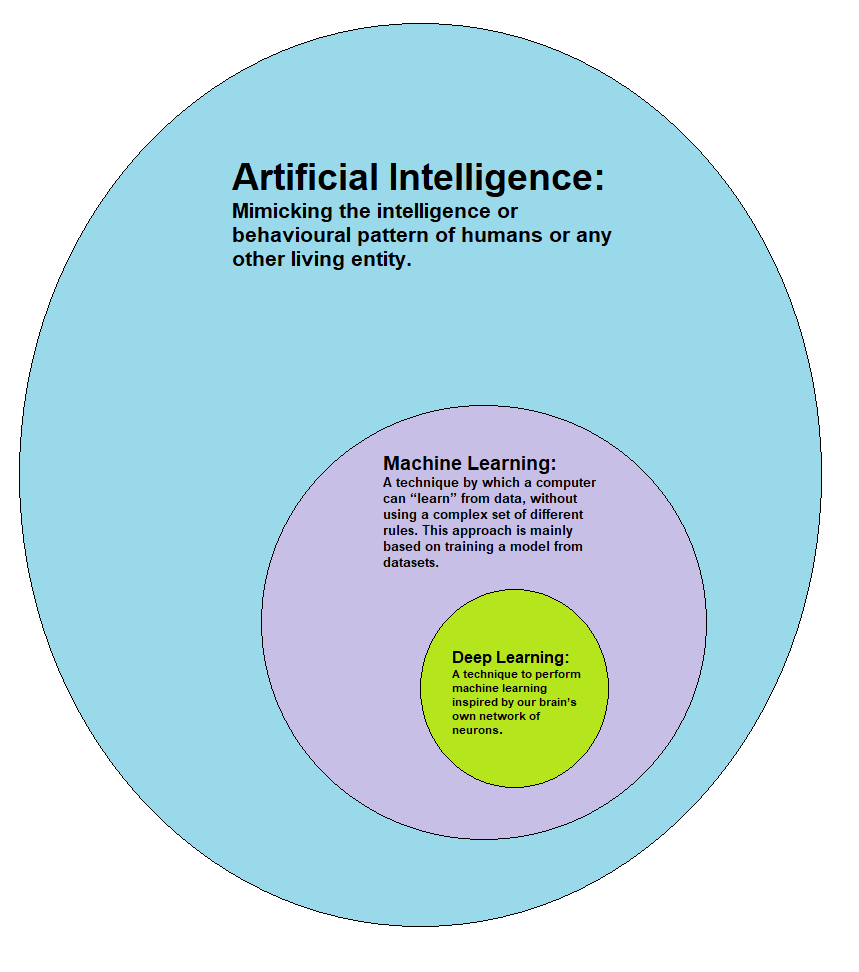
You might hear AI used interchangeably with terms like Machine Learning and Deep Learning, but they aren't the same thing. AI is the broad, overarching field. Machine Learning is a specific type of AI where systems learn from data. Deep Learning is an even more specialized subset of Machine Learning that uses complex, multi-layered structures called neural networks, which are loosely inspired by the human brain.
A Quick Trip Through Time
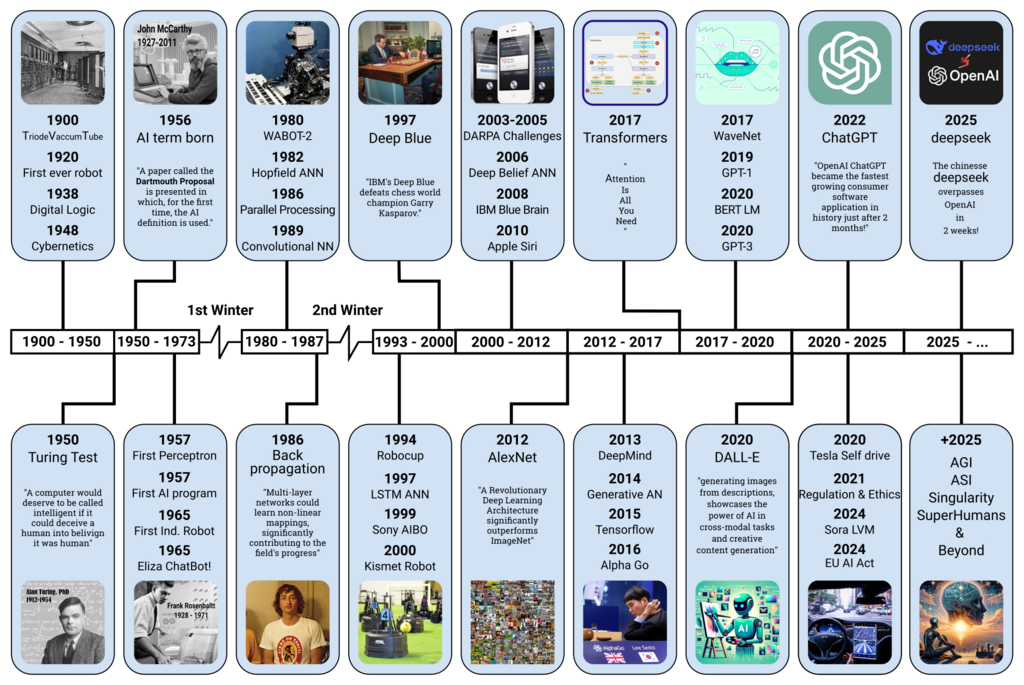
The idea of intelligent machines has been around for centuries, but the formal field of AI research began in the summer of 1956 at a workshop at Dartmouth College. This is where the term "Artificial Intelligence" was coined. Early researchers were incredibly optimistic, believing that a machine as intelligent as a human being would exist in just a few decades.
Progress wasn't always a straight line. The field went through periods of high funding and excitement, followed by "AI winters" when progress stalled and funding dried up. However, breakthroughs in the 1990s and 2000s, combined with a massive increase in computing power and available data, led to the AI boom we see today.
AI in the Real World
Today, AI is no longer just a laboratory experiment. It's a part of our daily lives, often in ways we don't even notice. It powers everything from the spam filter in your email to the navigation app that finds the quickest route home.
In healthcare, AI helps doctors diagnose diseases earlier by analyzing medical images like X-rays and MRIs. In finance, it detects fraudulent transactions by spotting unusual patterns in spending. The entertainment industry uses AI to recommend movies and music tailored to your tastes, and video game characters use AI to react realistically to your actions.
When your favorite streaming service suggests a new show you end up loving, that's AI at work. It analyzed your viewing history and compared it to millions of others to make that recommendation.
These examples are just the beginning. As technology advances, AI will continue to find new ways to help solve complex problems and reshape our world. Now, let's check your understanding of these core concepts.
What is the fundamental goal of Artificial Intelligence?
Which statement best describes the relationship between AI, Machine Learning (ML), and Deep Learning (DL)?
From historical roots to modern applications, you now have a foundational view of what artificial intelligence is and how it's shaping the world around us.