Introduction to Artificial Intelligence
Introduction to Artificial Intelligence
What Is Artificial Intelligence?
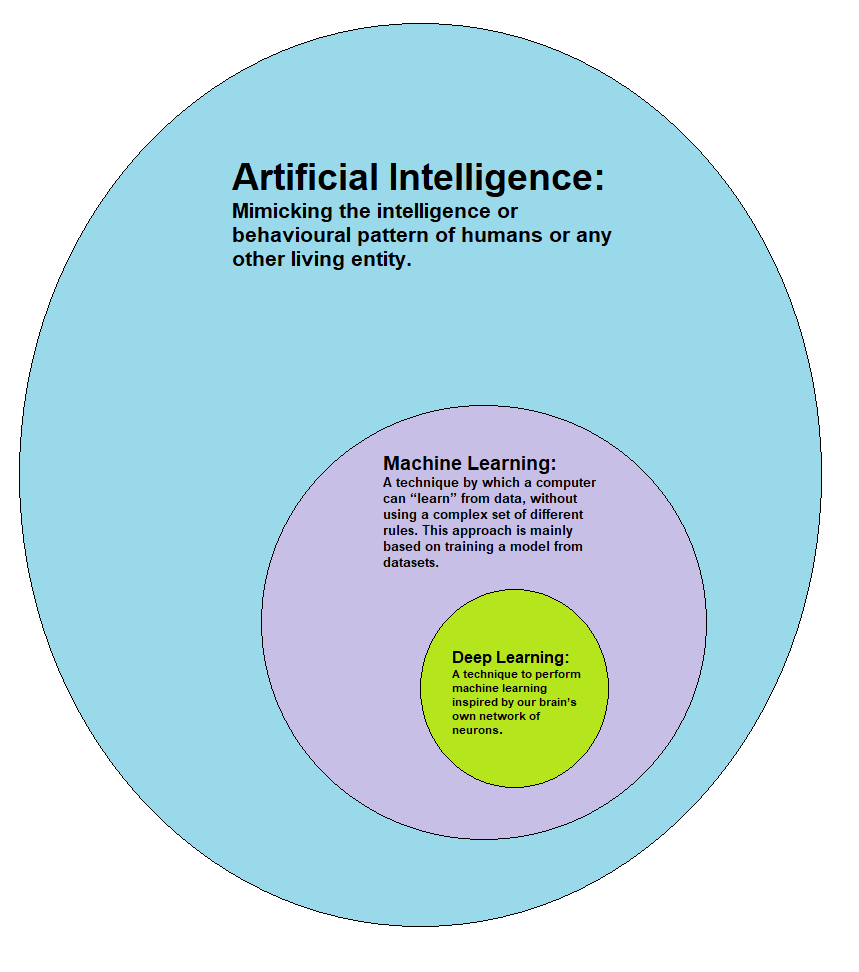
At its core, artificial intelligence is about teaching machines to think, learn, and solve problems in ways that mimic human intelligence. It's a broad field of computer science focused on creating systems that can perform tasks that typically require human intellect, like understanding language, recognizing patterns, and making decisions.
Artificial Intelligence
noun
The theory and development of computer systems able to perform tasks that normally require human intelligence, such as visual perception, speech recognition, decision-making, and translation between languages.
Think of it less as creating a conscious robot from a sci-fi movie and more as developing specialized tools. Some AI can recommend a new song based on your listening habits, while others can help doctors diagnose diseases from medical images. The goal isn't always to replicate a human mind, but to create useful tools that can extend our own capabilities.
A Brief History of AI
The dream of creating intelligent machines is ancient, but the scientific pursuit of AI is much more recent. It began in earnest in the mid-20th century, alongside the development of the first digital computers.
This was the first time the term "artificial intelligence" was used as the group spent almost two months discussing how machines might simulate learning and intelligence.
The field was formally born at a 1956 workshop at Dartmouth College. A small group of scientists gathered to explore the idea that "every aspect of learning or any other feature of intelligence can in principle be so precisely described that a machine can be made to simulate it." They coined the term "Artificial Intelligence" and laid the groundwork for decades of research.
The years that followed were filled with excitement and optimism. Early AI programs could solve algebra problems and prove theorems. But progress soon hit a wall. The computers of the day weren't powerful enough, and the problems turned out to be much harder than expected. This led to periods known as "AI winters," when funding dried up and public interest waned.
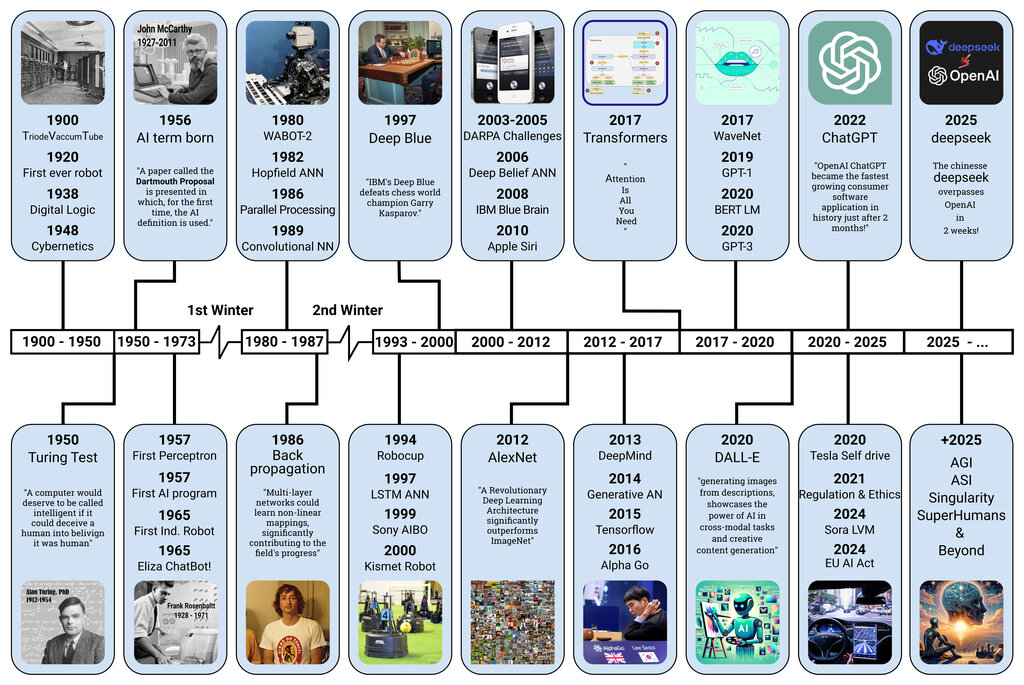
The winters didn't last forever. In the 1990s and 2000s, a renaissance began. Two key ingredients came together: massive increases in computing power and the availability of vast amounts of data from the internet. These factors allowed new techniques, especially machine learning, to flourish, leading to the AI boom we see today.
Why AI Matters Now
Today, AI is no longer confined to research labs. It's a powerful force woven into the fabric of modern society, changing how we work, communicate, and live. Its significance lies in its ability to process information at a scale and speed that is far beyond human capability.
AI acts as a powerful amplifier for human ingenuity. It helps us find patterns in complex data, automate repetitive tasks, and solve problems that were once considered insurmountable.
From the algorithms that power search engines and social media feeds to the systems that manage traffic flow in smart cities, AI is everywhere. It helps scientists accelerate research for new medicines, enables farmers to grow more food with fewer resources, and offers personalized learning experiences for students.
As the technology continues to advance, its impact will only grow. Understanding its foundational concepts is the first step toward navigating the opportunities and challenges of a world increasingly shaped by artificial intelligence.
Ready to check your understanding?
What is the primary goal of artificial intelligence, as described in the provided text?
The field of Artificial Intelligence was formally born at a 1956 workshop held at which institution?
That's a quick look at what AI is and where it came from. By understanding its past, we can better appreciate its present and prepare for its future.