Introduction to Artificial Intelligence
Introduction to Artificial Intelligence
What Is Artificial Intelligence?
Artificial Intelligence, or AI, is the science of making machines that can think and learn like humans. It's about creating computer systems that can perform tasks that typically require human intelligence. This includes things like recognizing speech, making decisions, and translating languages.
At its heart, AI is about simulating our own intelligence in a non-biological form. The goal is to build systems that can learn from data, identify patterns, and make judgments with minimal human intervention.
Think about how you learn to ride a bike. You try, you fall, you adjust, and eventually, you figure it out. AI systems learn in a similar way, but instead of skinned knees, they process vast amounts of data. By analyzing this data, they can learn to perform specific tasks, from recommending your next movie to identifying diseases from medical scans.
Artificial Intelligence
noun
The theory and development of computer systems able to perform tasks that normally require human intelligence, such as visual perception, speech recognition, decision-making, and translation between languages.
A Brief History of AI
The dream of creating intelligent machines has been around for centuries, but the formal field of AI research began in the mid-20th century. A pivotal moment was the Dartmouth Workshop in 1956, where the term "artificial intelligence" was first coined. This gathering brought together pioneers who were optimistic about creating thinking machines in just a few years.
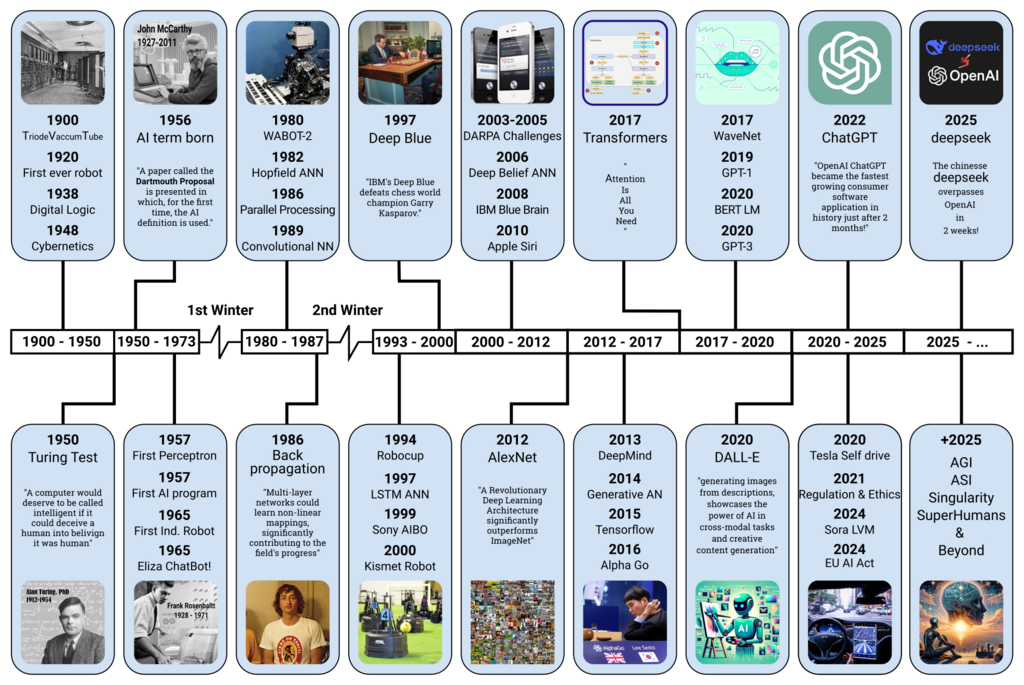
Progress wasn't always a straight line. The field experienced several "AI winters," periods when funding dried up because the technology couldn't live up to the hype. However, breakthroughs continued. In 1997, IBM's Deep Blue computer defeated world chess champion Garry Kasparov, a major milestone that showed machines could master complex, strategic tasks.
The 21st century has seen an explosion in AI development, largely driven by the availability of massive datasets and powerful computers. The rise of machine learning and deep learning has enabled AI to achieve remarkable feats, from understanding natural language to generating realistic images and sounds.
Why AI Matters Today
AI is no longer just a concept from science fiction; it's a fundamental part of our modern world. It powers the recommendation engines on streaming services, helps you navigate with GPS, and filters spam from your email inbox. Every time you use a virtual assistant like Siri or Alexa, you're interacting with AI.
The technology is a powerful tool for solving some of humanity's biggest challenges, from climate change to disease.
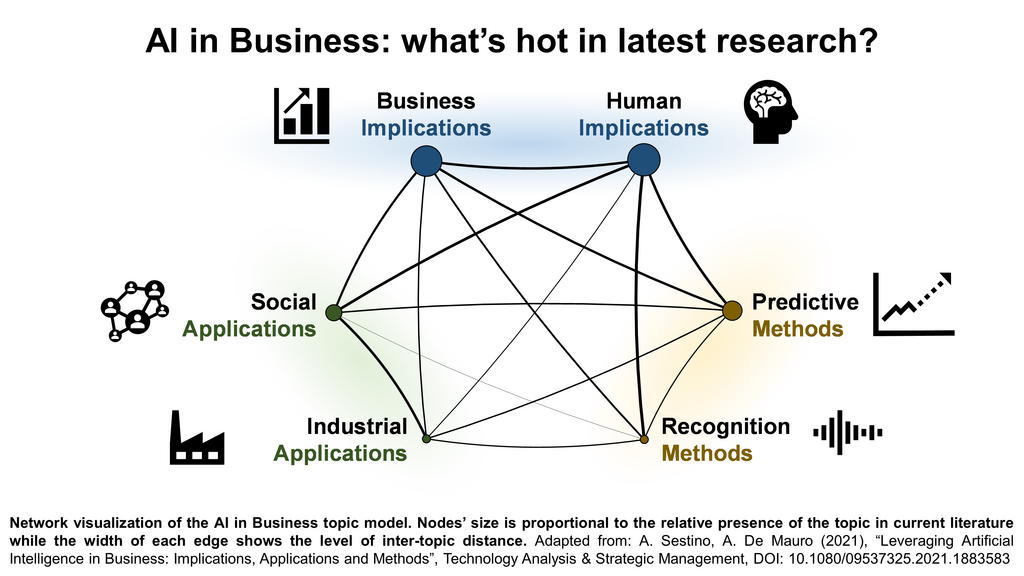
Beyond personal convenience, AI is transforming entire industries. In healthcare, it helps doctors diagnose diseases earlier and more accurately. In finance, it detects fraudulent transactions in real-time. In manufacturing, it optimizes supply chains and powers robots that perform complex assembly tasks. This broad impact is why understanding AI is becoming essential for everyone, not just for programmers and data scientists.
As AI continues to evolve, its influence will only grow. Having a basic grasp of what it is and where it came from provides a solid foundation for navigating the future.
What is the primary goal of Artificial Intelligence?
What significant event occurred in 1997 that demonstrated a major milestone in AI's capability for complex strategy?