Introduction to Artificial Intelligence
Introduction to AI
What Is Artificial Intelligence?
Artificial intelligence, or AI, is the science of making machines that can think like humans. It’s a broad field of computer science aimed at creating systems that can perform tasks that typically require human intelligence. This includes things like learning from experience, understanding language, recognizing objects, solving problems, and making decisions.
Think of it like teaching a computer to be smart, but not in the way a calculator is smart. A calculator can do math incredibly fast, but it only follows the instructions it's given. AI, on the other hand, is about building systems that can learn and adapt on their own. It's the difference between a tool that follows a blueprint and one that can draw its own.
AI gives a computer a mind of its own, allowing it to perceive, learn, and reason.
A Brief History of AI
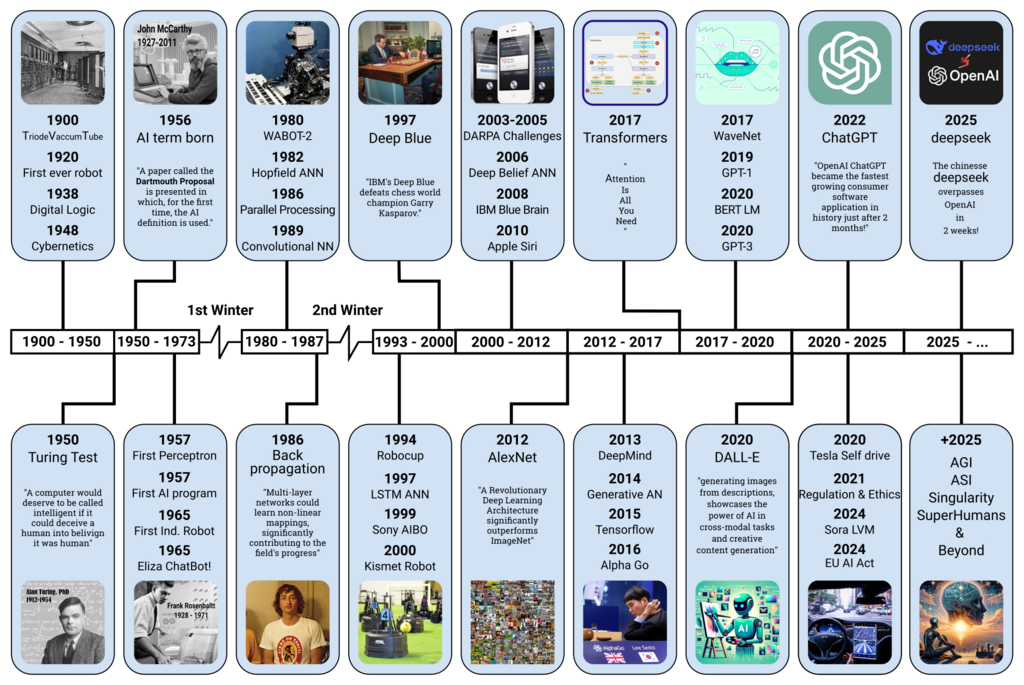
The dream of intelligent machines has been around for centuries, but the formal field of AI research began in the mid-20th century. A key moment was a 1956 workshop at Dartmouth College, where the term "artificial intelligence" was officially coined. Early researchers were optimistic, predicting that machines with human-level intelligence were just a few decades away.
Progress wasn't always a straight line. The field went through periods of high funding and excitement, followed by "AI winters" where progress stalled and funding dried up. But breakthroughs in computing power and the availability of massive amounts of data in the 21st century sparked a new era of rapid advancement. The tools and technologies we see today are built on decades of this foundational work.
AI in the Real World
Today, AI is no longer just a concept in a research lab. It's woven into the fabric of our daily lives, often in ways we don't even notice. It powers recommendation engines that suggest what you should watch or buy next, helps navigate your car through traffic, and allows your phone to understand voice commands.
Beyond personal convenience, AI is transforming entire industries:
-
Healthcare: AI helps doctors diagnose diseases earlier and more accurately by analyzing medical images like X-rays and MRIs. It also helps in discovering new drugs and personalizing treatment plans for patients.
-
Finance: Banks use AI to detect fraudulent transactions in real-time and assess credit risk. Algorithmic trading uses AI to make split-second decisions in the stock market.
-
Transportation: Self-driving cars use a combination of sensors and AI to perceive their environment and navigate safely. AI is also used to optimize logistics and supply chains, making sure goods get where they need to go efficiently.
-
Entertainment: From the special effects in movies to the intelligent characters in video games, AI is a creative partner. It also helps create personalized playlists and content streams.
The Responsible Path Forward
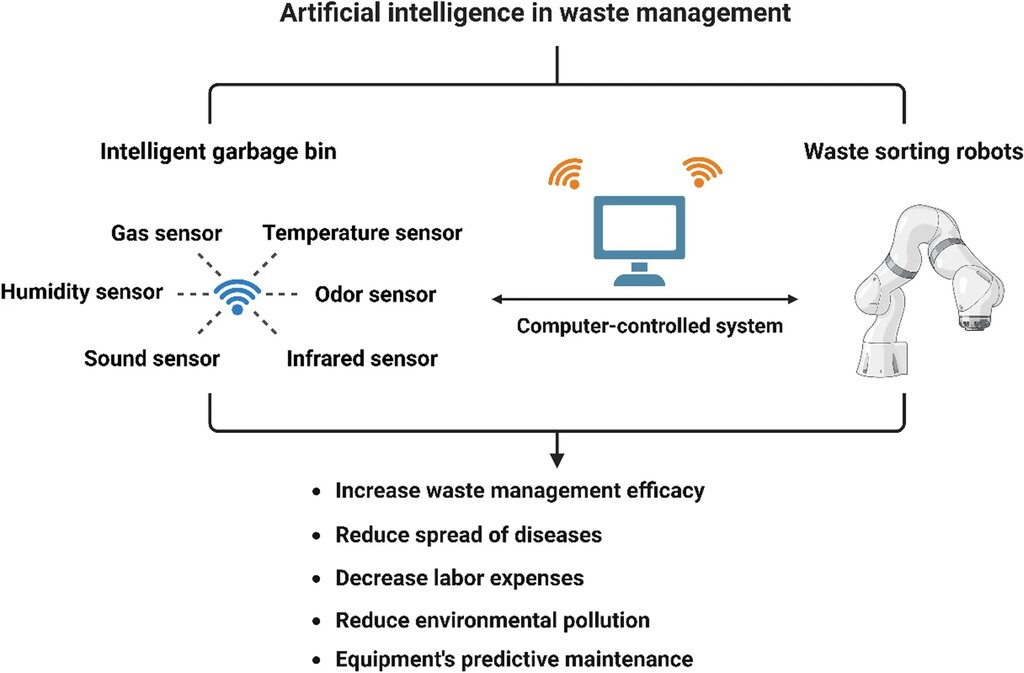
As AI becomes more powerful, it raises important ethical questions. These aren't just technical problems, but societal ones that require careful thought and discussion.
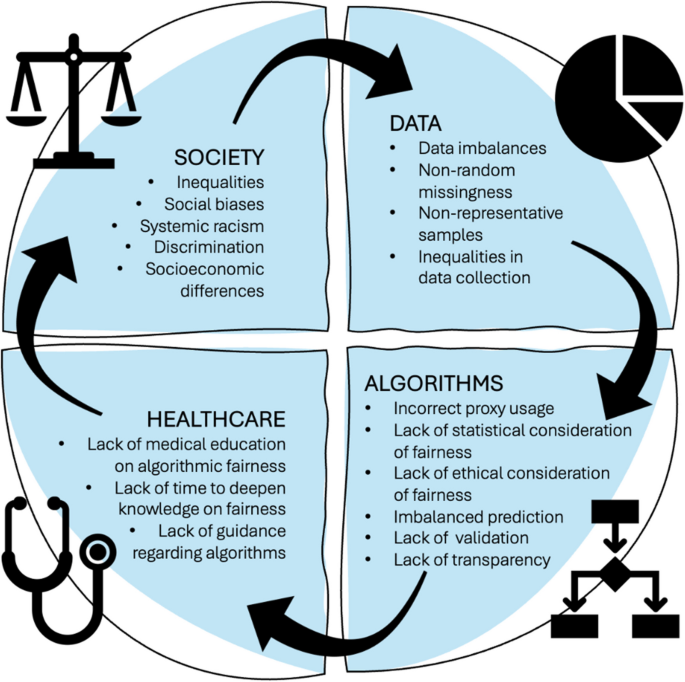
One of the biggest concerns is bias. If an AI is trained on biased data, it will produce biased results. For example, an AI system for hiring might learn to unfairly favor certain candidates if its training data reflects historical hiring biases. This can reinforce and even amplify existing inequalities.
Privacy is another major issue. AI systems often require vast amounts of data to learn, which can include personal information. Ensuring this data is used responsibly and protected from misuse is a critical challenge. We also need to think about accountability. When an AI system makes a mistake, who is responsible? The programmer, the user, or the company that deployed it?
Developing AI responsibly means building systems that are fair, transparent, and accountable. It's about ensuring these powerful tools are used to benefit humanity while minimizing potential harm.
Let's check your understanding of these core concepts.
What is the primary goal of Artificial Intelligence?
The term 'artificial intelligence' was officially coined at a famous workshop that took place in which decade?
Understanding these foundational ideas gives you the context to explore the more complex aspects of AI and its role in shaping our world.