Introduction to Artificial Intelligence
Introduction to AI
What Is Artificial Intelligence?
Artificial intelligence, or AI, is a field of computer science focused on creating machines that can perform tasks that typically require human intelligence. This includes abilities like learning from experience, solving problems, understanding language, and recognizing objects.
Think of it this way: if traditional programming is about giving a computer a strict set of instructions to follow, AI is about giving it the ability to figure out the instructions on its own.
This broad goal has been a human fascination for centuries, but the actual scientific pursuit began in the mid-20th century. Early AI research focused on rule-based systems, where programmers tried to write down all the rules for a certain kind of intelligence, like playing chess. While this worked for specific, limited tasks, it wasn't flexible enough to handle the messiness of the real world.
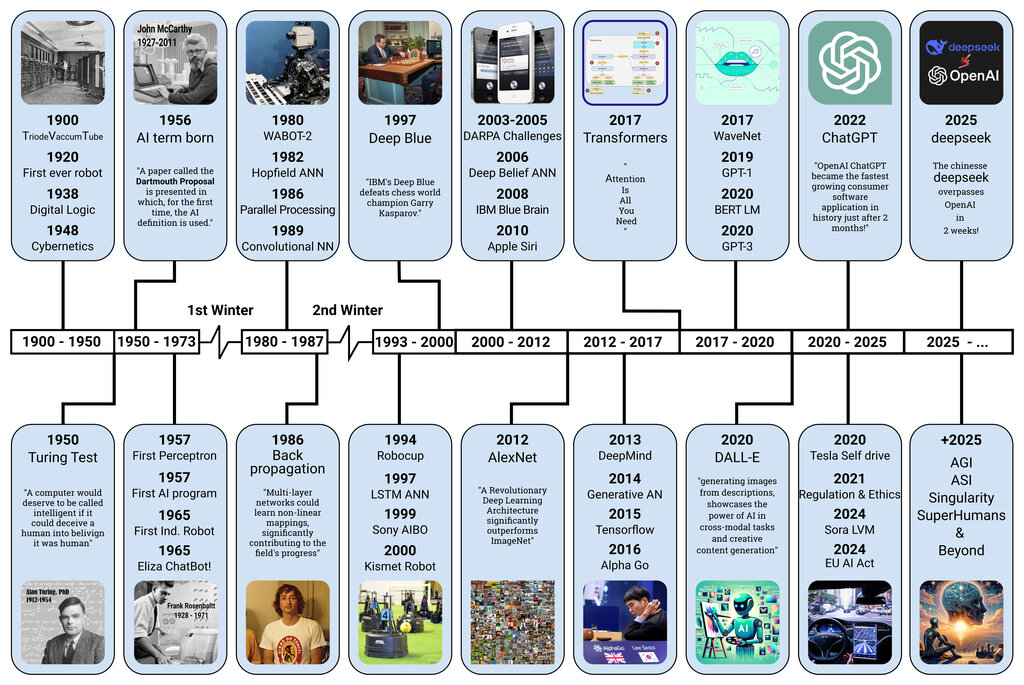
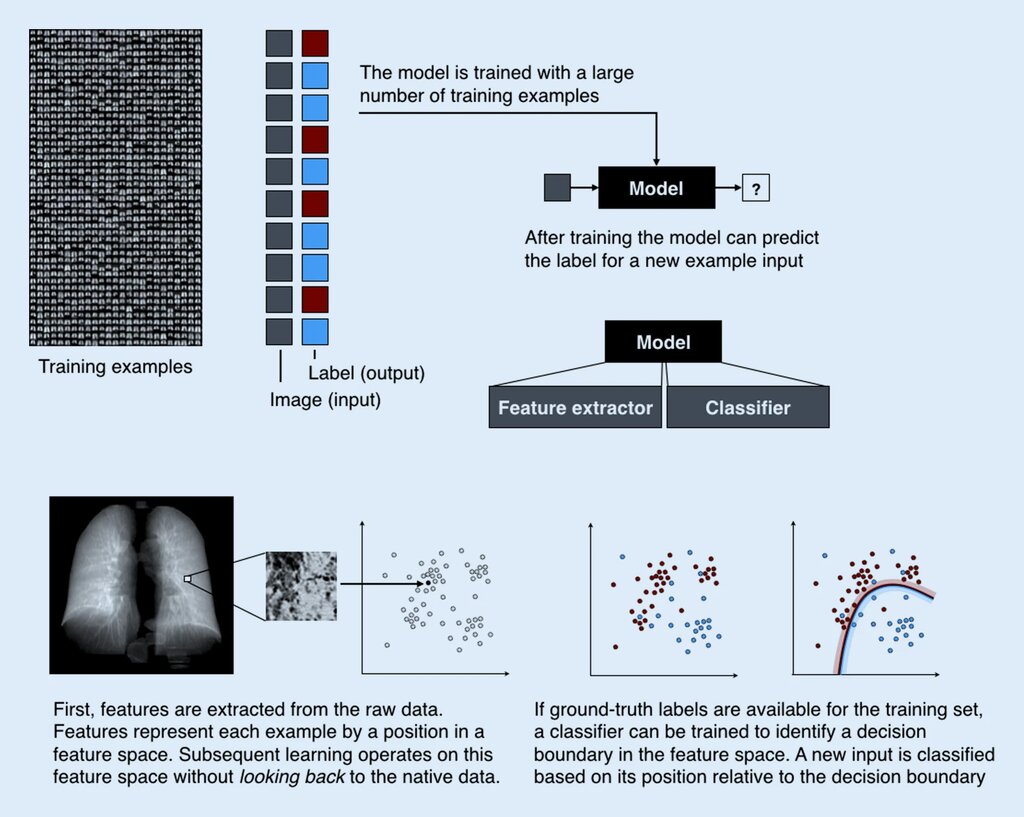
A major shift came with the rise of machine learning. Instead of hand-coding rules, developers created algorithms that could learn patterns directly from data. This was a game-changer. The more data the machine processed, the better it became at its task. Today, AI has become a broad umbrella term that covers many different methods and subfields, each tackling a different aspect of intelligence.
The Family of AI
AI isn't a single technology; it's a collection of related fields. Understanding the key subfields helps clarify how AI works. The most important concepts to know are machine learning and deep learning, which are subsets of AI.
Machine Learning (ML) is a subset of AI where systems learn from data to identify patterns and make decisions with minimal human intervention. An email spam filter that learns to recognize junk mail by analyzing thousands of examples is a classic case of ML.
Deep Learning (DL) is a further subset of machine learning. It uses complex, multi-layered neural networks inspired by the human brain. Deep learning is the powerhouse behind many recent AI breakthroughs, like advanced image recognition and natural-sounding language generation. It's particularly good at finding intricate patterns in very large datasets.
Specialized Fields
Beyond ML and DL, other specialized subfields focus on specific types of intelligent behavior.
Natural Language Processing (NLP) gives machines the ability to understand, interpret, and generate human language. It's what allows voice assistants like Siri and Alexa to understand your commands and enables translation apps to work instantly.
Computer Vision aims to give computers a high-level understanding of digital images or videos. Instead of just seeing pixels, a computer vision system can identify and classify objects within an image. This is the technology behind facial recognition, self-driving cars navigating their environment, and apps that can identify a plant from a photo.
Robotics is a field that combines AI with engineering to build and operate robots. While not all robots use AI, advanced robots use it to perceive their surroundings and make intelligent decisions about their actions. This could be a robot in a warehouse navigating aisles to find a package or a robotic arm performing a delicate surgery.
Now that you've got the basics down, let's test your knowledge.
What is the primary goal of Artificial Intelligence (AI)?
Which statement correctly describes the relationship between AI, Machine Learning (ML), and Deep Learning (DL)?
These foundational concepts are the building blocks for understanding the complex and rapidly evolving world of AI.