Introduction to Artificial Intelligence
Introduction to Artificial Intelligence
What Is Artificial Intelligence?
At its core, artificial intelligence is the science of making machines that can think like humans. It's a broad field of computer science focused on creating systems that can perform tasks that typically require human intelligence. This includes things like learning from experience, understanding language, recognizing objects, solving problems, and making decisions.
Artificial Intelligence
noun
A field of computer science dedicated to creating systems capable of performing tasks that normally require human intelligence.
Think of it this way: when you learn to ride a bike, you don't just follow a strict set of instructions. You adapt, balance, and learn from falling. AI aims to give machines that same ability to adapt and learn, rather than just executing pre-programmed commands.
The main goal of AI is not just to automate tasks, but to create systems that can reason, learn, and act intelligently.
A Brief History of AI
The idea of intelligent machines has been around for centuries in myths and stories, but the actual scientific field of AI is much younger. It officially began in the summer of 1956 at a conference at Dartmouth College. A small group of mathematicians and scientists gathered to explore the idea that "every aspect of learning or any other feature of intelligence can in principle be so precisely described that a machine can be made to simulate it."
This event kicked off decades of excitement and research. The early years were filled with optimism, leading to the creation of programs that could solve algebra problems and play checkers. However, the initial excitement outpaced the technology. Limited computing power and data led to periods known as "AI winters," when funding and interest dwindled because progress slowed.
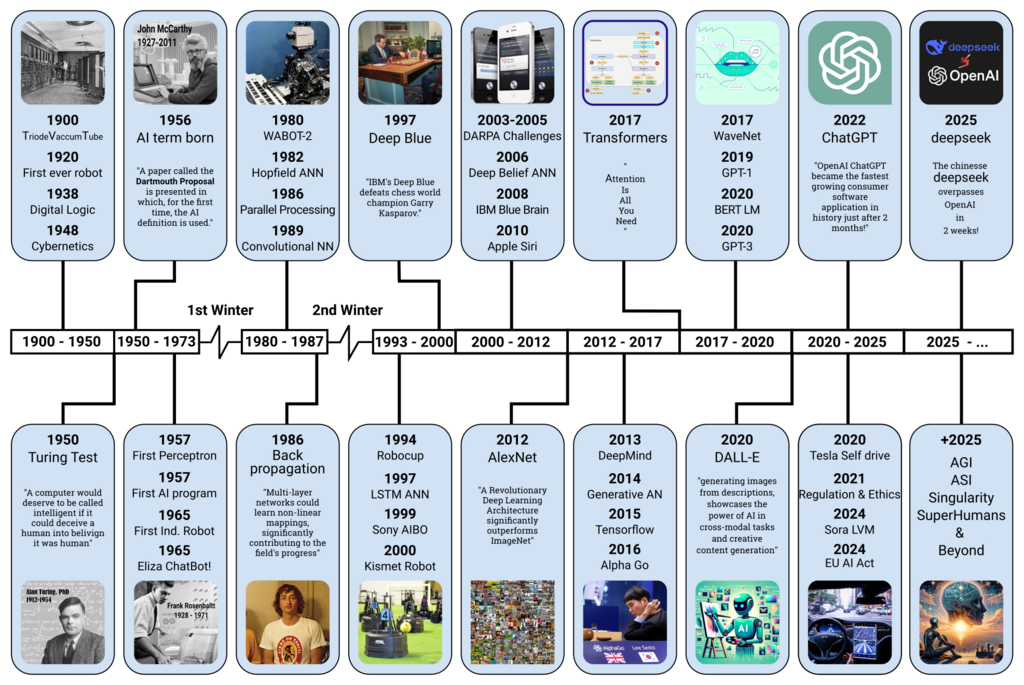
Things began to change in the 1990s and 2000s. The rise of the internet generated massive amounts of data, and computers became exponentially more powerful and affordable. These two ingredients, data and computing power, fueled a resurgence in AI research, leading to the breakthroughs we see today.
AI in Our Daily Lives
Artificial intelligence isn't just a futuristic concept; it's already woven into the fabric of our daily lives. You interact with AI systems dozens of times a day, often without realizing it.
When you ask a voice assistant like Siri or Alexa for the weather, you're using AI. When Netflix or Spotify suggests a movie or song you might like, that's AI at work, analyzing your past behavior to predict what you'll enjoy next. Navigation apps like Google Maps use AI to analyze traffic data in real-time to find the fastest route. Even the spam filter in your email inbox is a form of AI, learning to distinguish between legitimate messages and junk.
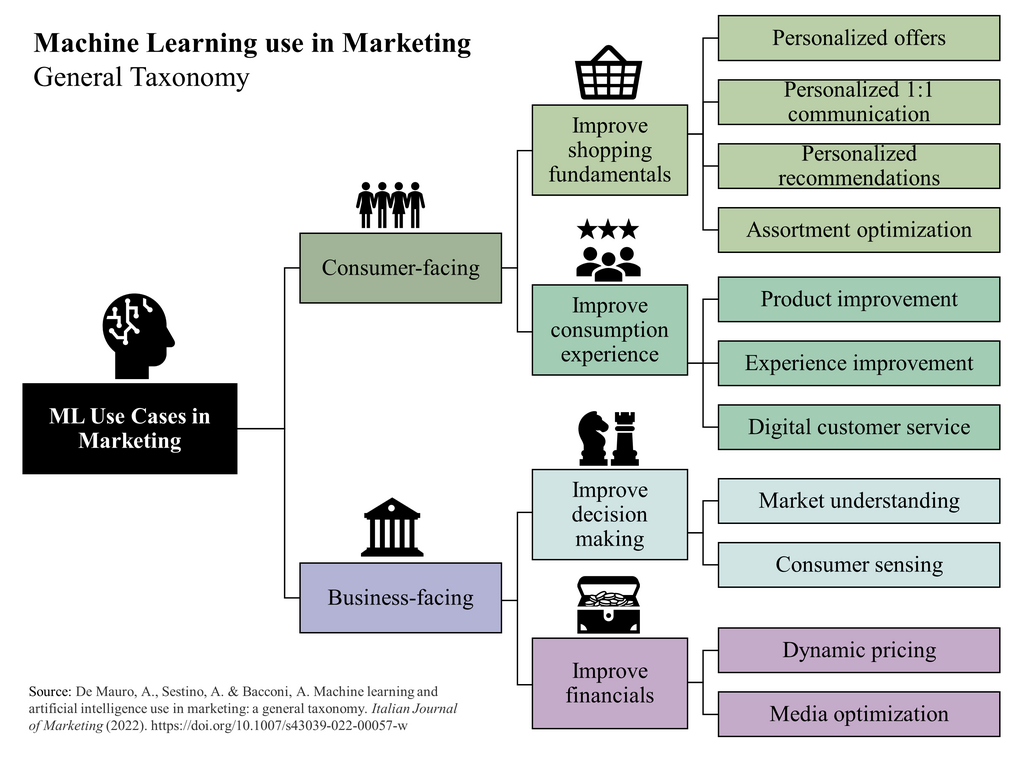
Beyond personal convenience, AI is transforming entire industries. In healthcare, it helps doctors diagnose diseases earlier and more accurately. In finance, it detects fraudulent transactions. And in manufacturing, it optimizes supply chains and powers robots on the factory floor. The significance of AI lies in its ability to process vast amounts of information and find patterns that would be impossible for a human to detect, making processes more efficient, accurate, and powerful.
Now, let's test your understanding of these foundational concepts.
What is the core concept of artificial intelligence?
The scientific field of AI is considered to have officially begun at a conference held at which institution?
This introduction has covered the basics of what AI is, where it came from, and how it impacts us. As you continue, you'll build on these fundamentals to explore the more specific ways AI is changing the world.