Introduction to Artificial Intelligence
Introduction to Artificial Intelligence
What is Artificial Intelligence?
At its heart, artificial intelligence is about making machines smart. The goal is to create systems that can perform tasks that typically require human intelligence. This doesn't mean creating a robot that thinks and feels exactly like a person. Instead, it's about building tools that can recognize patterns, make decisions, and learn from experience.
Artificial intelligence (AI) is a wide-ranging tool that enables people to rethink how we integrate information, analyze data, and use the resulting insights to improve decision making—and already it is transforming every walk of life.
Think of it this way: when you learn to ride a bike, you're not just following a set of pre-programmed instructions. You adjust your balance, learn from wobbles, and eventually ride smoothly without thinking about it. AI aims to give machines a similar ability to adapt and improve.
The Core Goals of AI
The ambitions of AI can be broken down into a few key areas. These are the fundamental capabilities that researchers are trying to build into intelligent systems.
Here’s what each of these goals means in practice:
- Reasoning and Problem-Solving: This is the ability to think logically and figure out solutions. For a GPS, it means calculating the fastest route by considering traffic, road closures, and speed limits.
- Learning: AI systems learn from data. A spam filter learns to identify junk mail by analyzing millions of emails you and others have marked as spam.
- Perception: This involves making sense of the world through senses, like sight and sound. Self-driving cars use cameras and sensors to "see" the road, other cars, and pedestrians.
- Interaction: This is about communicating naturally. When you talk to a virtual assistant like Siri or Alexa, it uses AI to understand your words and respond in a helpful way.
AI in the Wild
You probably use AI every day without even realizing it. It’s not just about futuristic robots; it's woven into the fabric of our digital lives.
Your Netflix or Spotify recommendations? That's AI analyzing your viewing and listening habits to suggest what you might like next.
Beyond entertainment, AI is a powerful tool in many industries. In healthcare, it helps doctors detect diseases like cancer from medical images with greater accuracy. In finance, it identifies fraudulent transactions by spotting unusual patterns in spending. Even in farming, AI can analyze data from drones and sensors to help farmers use water and fertilizer more efficiently, leading to better crop yields.
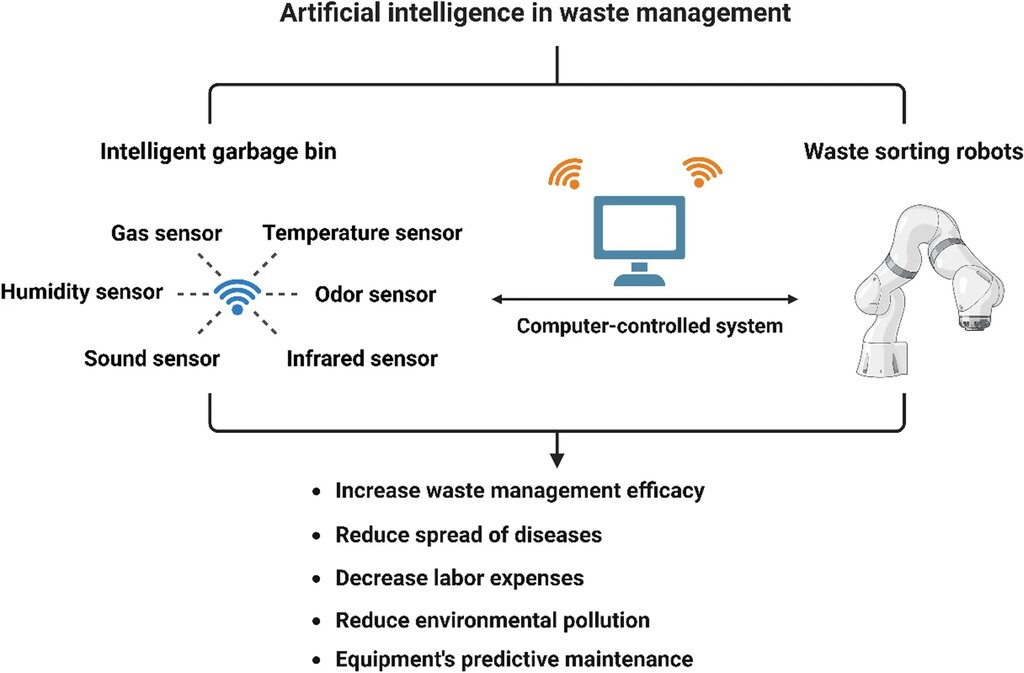
These applications all rely on the same basic principles: using data to learn, adapt, and perform a specific task intelligently. By understanding these fundamentals, you're ready to explore the more specific technologies that make it all possible.
What is the primary goal of artificial intelligence?
A GPS system calculating the fastest route by considering current traffic, road closures, and speed limits is demonstrating which core AI capability?
Now that you have a grasp of the basics, let's move on to how AI evolved over time.