Introduction to Artificial Intelligence
Introduction to AI
What Is Artificial Intelligence?
Artificial Intelligence is about making machines smart. The goal is to create systems that can perform tasks that normally require human intelligence. This includes things like learning from experience, solving problems, understanding language, and recognizing objects.
Artificial Intelligence
noun
The theory and development of computer systems able to perform tasks that normally require human intelligence, such as visual perception, speech recognition, decision-making, and translation between languages.
Think of it this way: when you teach a dog to fetch, you're rewarding a certain behavior. AI works on a similar principle, but on a massive scale with computers and data. Instead of a biscuit, the reward is better performance on a task. The ultimate aim is to build machines that can not only follow instructions but also think and adapt on their own.

AI isn't a single technology. It's a broad field of study with many different branches, each focused on a specific aspect of intelligence.
A Quick Trip Through Time
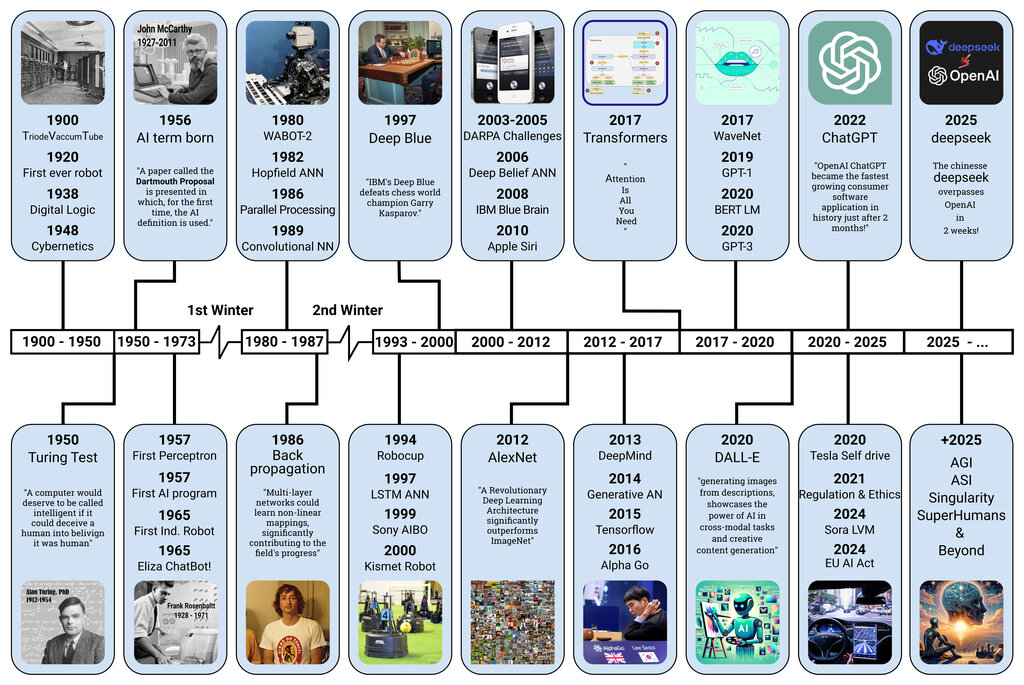
The dream of intelligent machines is ancient, but the scientific field of AI is relatively new. It officially kicked off in the summer of 1956 at a conference at Dartmouth College. It was there that the term "Artificial Intelligence" was first used to describe this new, ambitious field.
Early researchers were incredibly optimistic. They believed that a machine as intelligent as a human being was just a few decades away. They made exciting progress in solving puzzles and playing games like checkers.
However, progress stalled. The complexity of creating true intelligence was far greater than imagined. This led to periods known as "AI winters," when funding dried up and public interest faded.
But the field always bounced back, spurred by breakthroughs in computing power and the availability of vast amounts of data. Today, we're in the middle of an AI boom, with AI technology becoming more capable and integrated into our lives than ever before.
The Many Flavors of AI
AI is a big umbrella covering many specialized areas. While we'll dive deeper into some of these later, it's helpful to know the main categories.
| Subfield | Focus | Example |
|---|---|---|
| Robotics | Building physical machines that can move and interact with the world. | Assembly line robots in a car factory. |
| Expert Systems | Creating systems that mimic the decision-making ability of a human expert. | A program that helps doctors diagnose diseases based on symptoms. |
| Planning & Optimization | Finding the best sequence of actions to achieve a goal. | GPS navigation systems calculating the fastest route. |
| Knowledge Representation | Figuring out how to store information about the world in a way a computer can use. | A database that understands the relationship between concepts. |
Each of these subfields tackles a different piece of the intelligence puzzle. When combined, they can create powerful and versatile AI systems.
AI in Your Daily Life
You might not always notice it, but AI is already a part of your daily routine. It’s the silent partner working behind the scenes in many of the services you use every day.
When you get a movie recommendation on a streaming service, that's AI analyzing your viewing habits to suggest something you might like.
Spam filters in your email use AI to learn which messages are junk and which are important. Ride-sharing apps use it to predict demand and set prices. Banks use AI to detect fraudulent transactions, often stopping them in real time.
Even something as simple as unlocking your phone with your face involves sophisticated AI. The technology is also transforming industries like healthcare, where it helps analyze medical images, and agriculture, where it can monitor crop health from above.
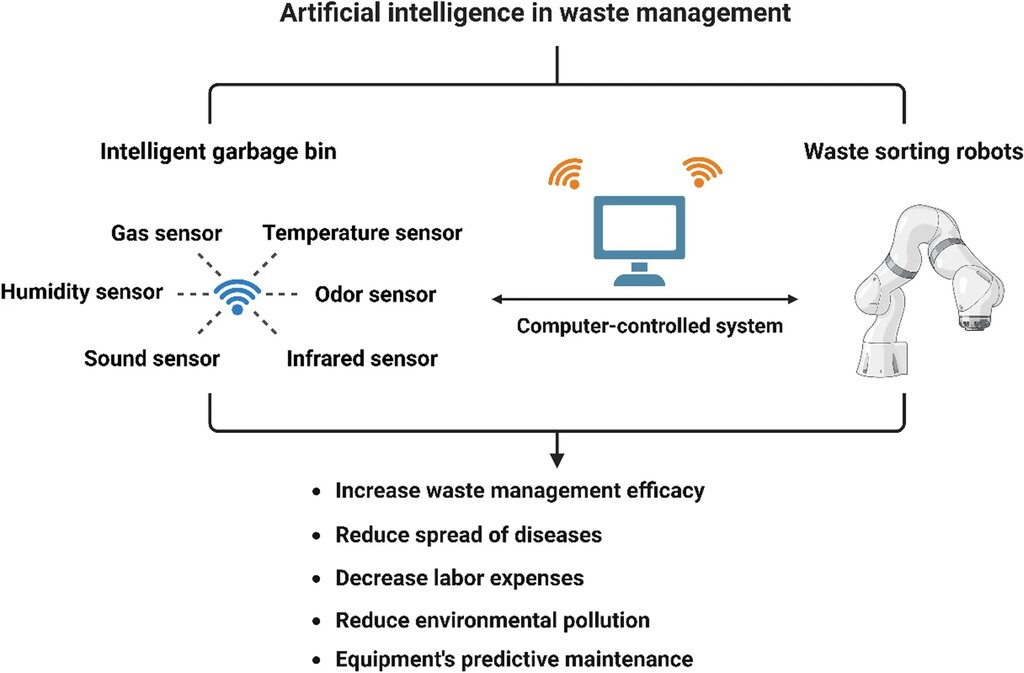
This is just the beginning. As AI continues to evolve, its impact on our world will only grow.
What is the primary goal of Artificial Intelligence?
The term "Artificial Intelligence" was first coined at a conference at which institution in 1956?
This introduction gives you the basic landscape of AI, from its definition and history to its many branches and real-world uses. It’s a field built on the big idea of creating intelligent machines, and it's already changing our world in countless ways.