Introduction to Artificial Intelligence
Introduction to Artificial Intelligence
What Is Artificial Intelligence?
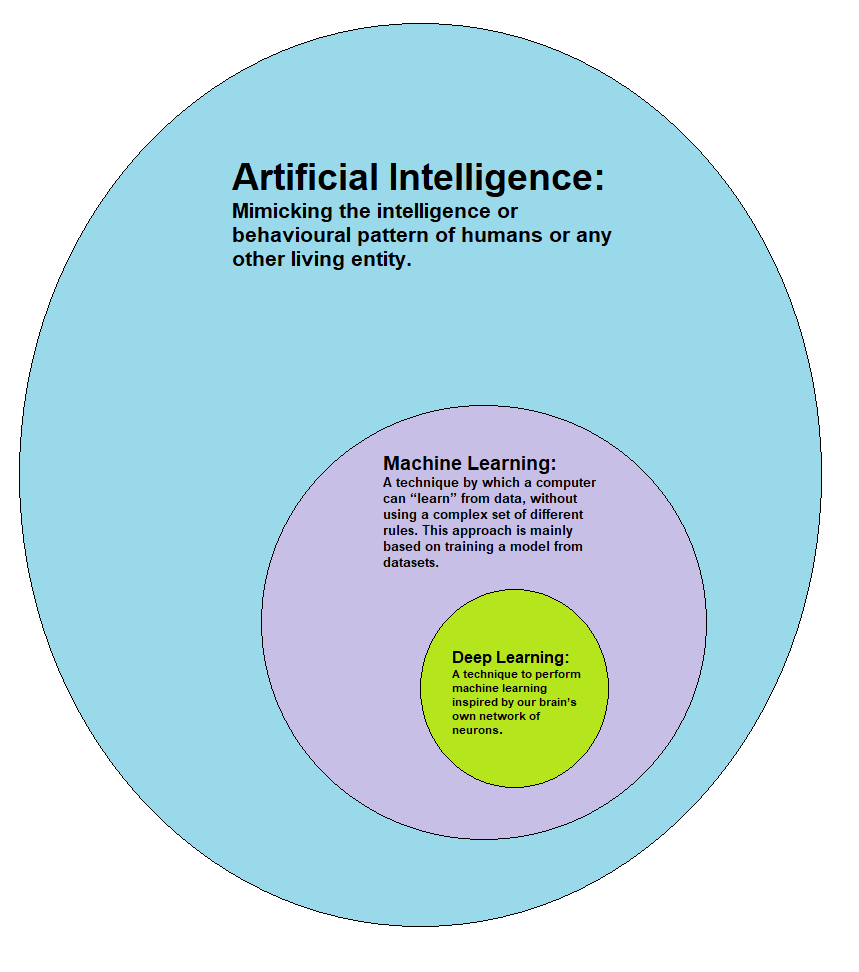
Artificial Intelligence, or AI, is about making computers smart. Instead of just following a strict set of pre-programmed instructions, AI enables a system to learn from data, identify patterns, and make decisions on its own. Think of it like teaching a child versus giving an adult a step-by-step manual. With the manual, the adult can only do what's written. The child, however, can learn, adapt, and eventually handle situations they've never seen before.
At its core, AI is a system’s ability to correctly interpret data, learn from that data, and use those learnings to achieve specific goals through flexible adaptation.
This ability to learn and adapt is what makes AI so powerful. It's not magic; it's a field of computer science focused on creating systems that can perform tasks that typically require human intelligence. This includes things like understanding language, recognizing images, and solving complex problems.
A Quick Trip Through Time
The dream of creating intelligent machines has been around for centuries, but the actual field of AI officially began in the summer of 1956. A group of scientists gathered for a workshop at Dartmouth College to explore the idea that "every aspect of learning or any other feature of intelligence can in principle be so precisely described that a machine can be made to simulate it." This event coined the term "Artificial Intelligence" and kicked off decades of research.
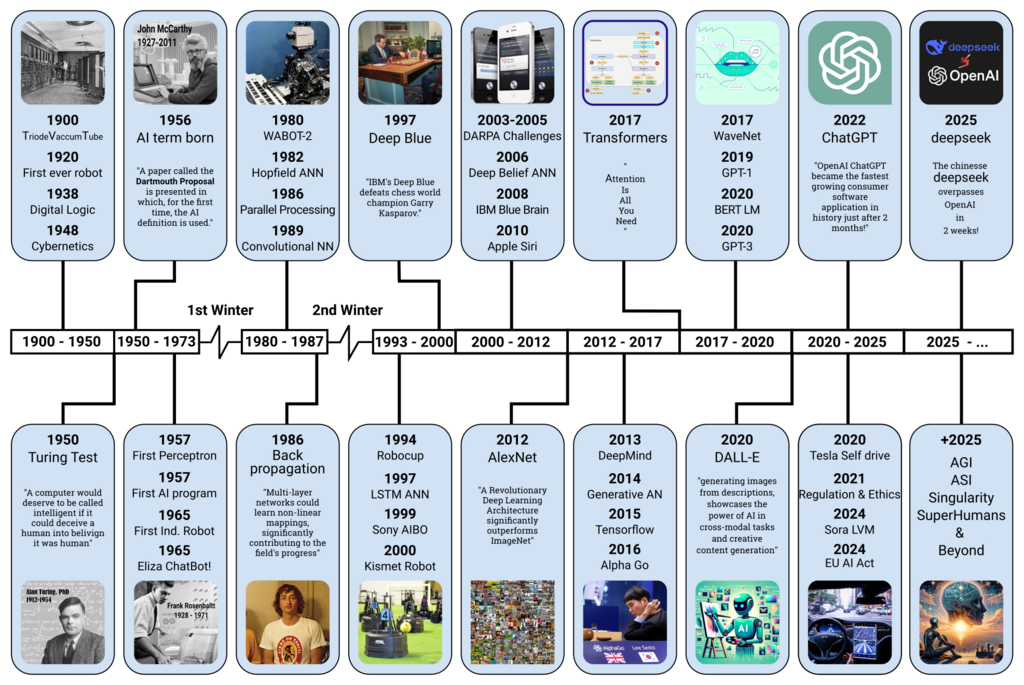
The journey wasn't a straight line. Early excitement led to bold predictions, but the complexity of creating true intelligence was underestimated. This resulted in periods known as "AI winters," when funding dried up and progress slowed. However, breakthroughs in the 2000s, driven by faster computers and the availability of massive amounts of data, sparked a major resurgence. The development of more advanced learning techniques brought AI out of the lab and into our daily lives.
Why AI Matters Today
Today, AI is no longer a futuristic concept. It's a fundamental technology that powers many of the tools and services we use every day. From the recommendation engine that suggests your next movie to the navigation app that finds the quickest route home, AI is working behind the scenes. Its impact spans across nearly every industry, changing how we work, live, and interact with the world.
| Industry | AI Application |
|---|---|
| Healthcare | Analyzing medical images to detect diseases earlier. |
| Finance | Identifying fraudulent transactions in real-time. |
| Transportation | Developing self-driving cars and optimizing traffic flow. |
| Entertainment | Personalizing content recommendations on streaming services. |
| Retail | Managing inventory and predicting customer buying habits. |
The significance of AI lies in its ability to process and understand vast amounts of information far beyond human capability. This allows us to tackle huge challenges, automate mundane tasks, and unlock new possibilities. As the technology continues to evolve, its role in modern society will only grow.
What is the primary characteristic that distinguishes AI from traditional computer programming?
The term "Artificial Intelligence" was officially coined at a 1956 workshop held at which institution?