Introduction to Artificial Intelligence
Introduction to Artificial Intelligence
What Is Artificial Intelligence?
At its core, Artificial Intelligence (AI) is about creating computer systems that can perform tasks that normally require human intelligence. Think about recognizing a friend in a photo, understanding a spoken question, or making a complex decision. These are things we do naturally. AI aims to enable machines to do them as well.
Artificial intelligence (AI) is a broad field of computer science and engineering that focuses on developing computers capable of performing activities that normally require human intelligence, such as learning, problem-solving, decision-making, and natural language processing.
AI isn't a single technology. It's a wide-ranging field that includes many different approaches and techniques. Early AI systems relied on a set of programmed rules. If you told the computer, "If X happens, then do Y," it would follow that instruction perfectly. This is called rule-based AI. It’s effective for simple, predictable tasks but struggles with the messy, unpredictable nature of the real world.
A Brief History of AI
The idea of intelligent machines has been around for centuries, but the modern field of AI officially began in the summer of 1956. A group of researchers gathered for a workshop at Dartmouth College to explore the idea that every aspect of learning or intelligence could be so precisely described that a machine could be made to simulate it. It was here that the term "artificial intelligence" was coined.
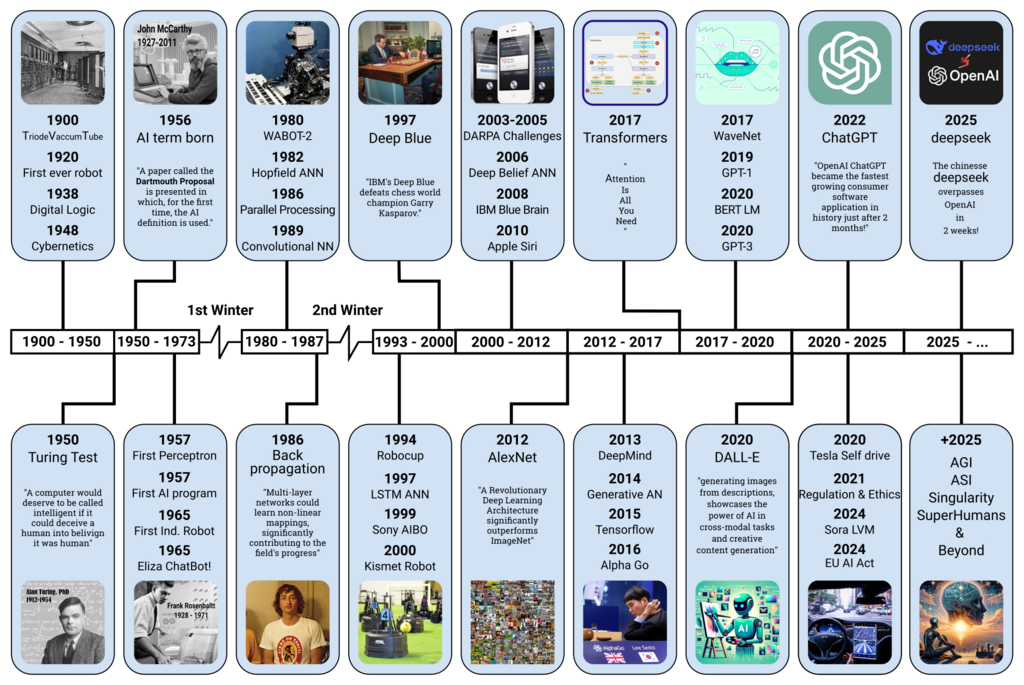
One of the earliest famous AI programs was ELIZA, created in the mid-1960s. ELIZA was a chatbot that could mimic a psychotherapist by recognizing keywords in a user's text and reflecting them back as questions. While it seemed intelligent, it didn't actually understand the conversation. It was a clever illusion based on rules.
Over the next few decades, the field went through periods of excitement and funding, followed by disappointments known as "AI winters." The initial hype often outpaced the available computing power and data. But with the rise of the internet and massive increases in computational power, AI experienced a renaissance. Modern AI is dominated by machine learning and deep learning, which allow systems to learn from vast amounts of data rather than being explicitly programmed with rules.
AI in the Real World
Today, AI is no longer a futuristic concept. It's a part of our daily lives, often working quietly in the background. It powers recommendation engines on streaming services, helps our email clients filter out spam, and enables voice assistants on our phones to understand commands.
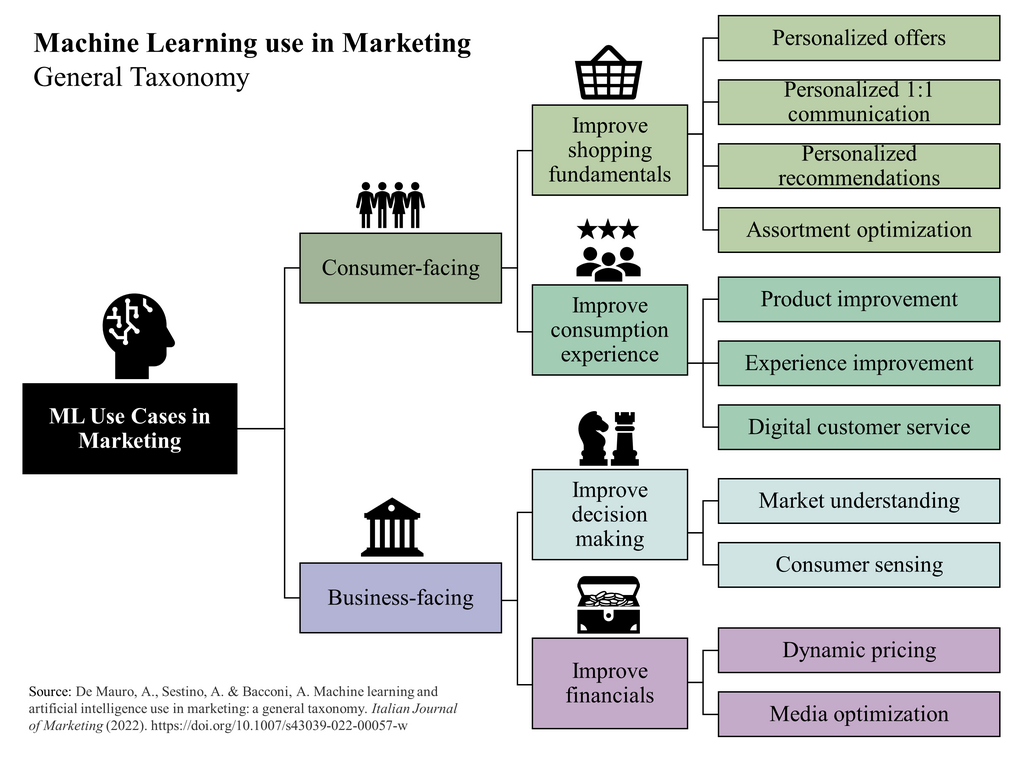
The impact of AI spans nearly every industry. In healthcare, it helps doctors diagnose diseases earlier and more accurately by analyzing medical images like X-rays and MRIs. In finance, AI algorithms detect fraudulent transactions by identifying unusual patterns in spending. And in transportation, it's the core technology behind self-driving cars, which must perceive their environment and make split-second decisions to navigate safely.
From navigating our cities to managing our finances, AI is reshaping industries and creating new possibilities for how we live and work.
This transformative power comes from AI's ability to process and find patterns in data at a scale humans simply can't match. As the technology continues to evolve, its role in solving complex problems and driving innovation will only grow.