Introduction to Artificial Intelligence
Introduction to Artificial Intelligence
What Is Artificial Intelligence?
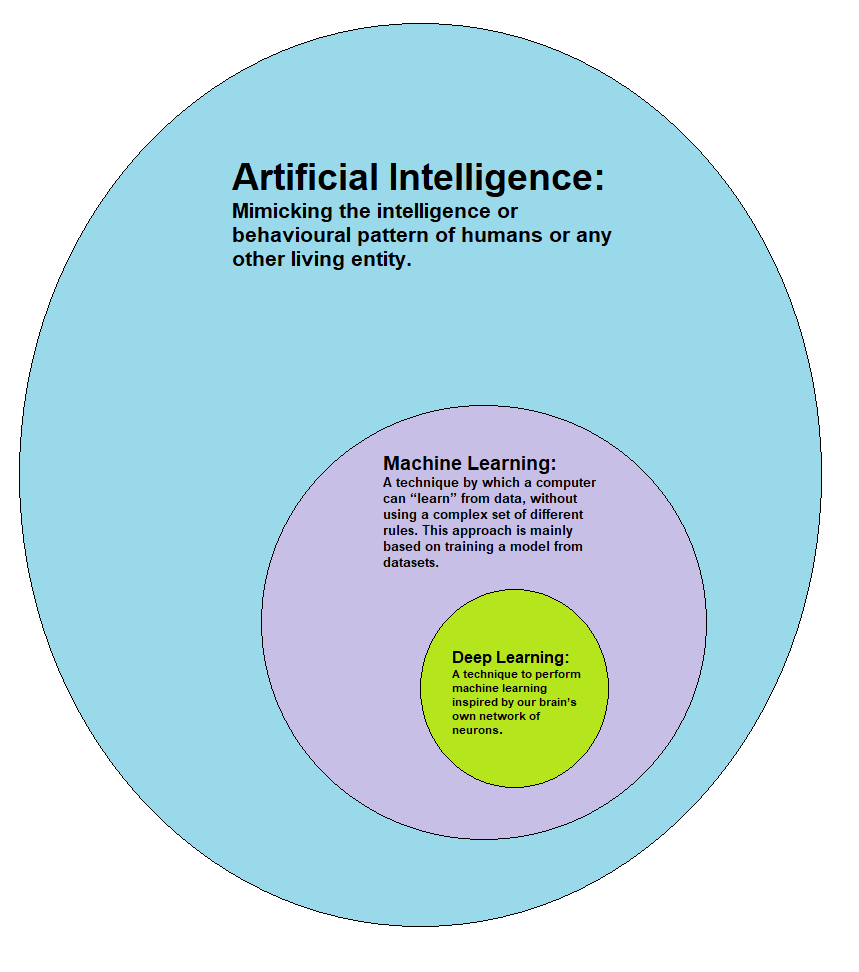
Artificial intelligence, or AI, is about making computers think and learn in ways that resemble human intelligence. It's not about creating conscious robots from science fiction. Instead, it’s about building smart systems that can analyze information, recognize patterns, and make decisions.
At its core, Artificial Intelligence (AI) refers to the simulation of human intelligence processes by machines, especially computer systems.
Think of it this way: when you learn to ride a bike, you're not given a set of rigid instructions. You try, you fall, you adjust, and eventually, you figure it out. AI works on a similar principle, but for tasks like identifying spam emails, recommending movies, or even helping doctors diagnose diseases.
The Core Principles
AI systems are built on a few key ideas that mimic how we learn and think. These aren't separate steps, but interconnected processes that allow an AI to function effectively.
Learning
noun
The process of acquiring information and rules for using it. For an AI, this often means processing huge amounts of data to find patterns. For example, a photo app learns to recognize your friends by analyzing thousands of pictures you've tagged.
Next is reasoning. After learning, the AI must apply its knowledge to solve problems. This involves using the rules it has learned to reach conclusions. A GPS application uses reasoning to find the fastest route by analyzing current traffic data and known road networks.
Finally, there's self-correction. AI isn't perfect from the start. It needs to fine-tune its performance over time. When a weather app's forecast is wrong, it can compare its prediction to the actual outcome. This feedback helps the AI adjust its models to make more accurate forecasts in the future. This continuous cycle of learning, reasoning, and correcting is what makes AI so powerful.
AI in the Real World
AI is no longer just a concept in a research lab; it's a part of our daily lives and a driving force in many industries. Its ability to process vast amounts of data and automate complex tasks has made it an invaluable tool.
In healthcare, AI helps analyze medical images like X-rays and MRIs, often spotting signs of illness that might be missed by the human eye. In finance, it detects fraudulent transactions by identifying unusual spending patterns in real-time, protecting consumers and banks.
Entertainment services like Netflix and Spotify use AI to analyze your viewing and listening habits. Their recommendation engines then suggest new movies, shows, or music you're likely to enjoy, creating a personalized experience. Even in transportation, AI is the brain behind self-driving cars, which process sensor data to navigate roads safely.
From small conveniences to major industrial shifts, AI's impact is growing. Understanding its basic principles is the first step to seeing how this technology is reshaping our world.
What is the primary goal of Artificial Intelligence as described in the text?
Which three interconnected processes form the continuous cycle that makes AI powerful?