Introduction to Artificial Intelligence
Introduction to Artificial Intelligence
What Is Artificial Intelligence?
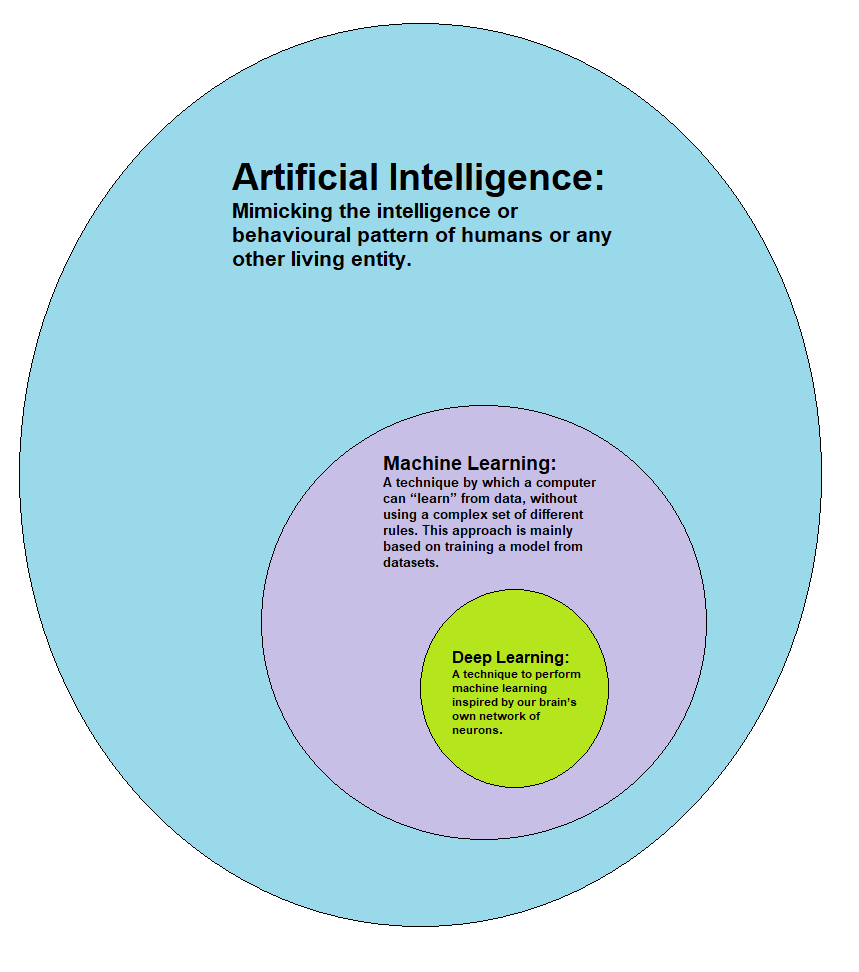
Artificial intelligence, or AI, is about creating computers or machines that can think and learn like humans. It's a broad field in computer science focused on building smart systems that can perform tasks that would normally require human intelligence. This includes things like solving problems, understanding language, recognizing patterns, and making decisions.
Artificial Intelligence
noun
The theory and development of computer systems able to perform tasks that normally require human intelligence, such as visual perception, speech recognition, decision-making, and translation between languages.
Think of it like teaching a computer. Instead of giving it a strict set of instructions for every single possibility, you provide it with a lot of information and teach it how to recognize patterns, make connections, and learn from experience. Just like a person, it gets smarter over time.
The Goals of AI
The ultimate goal of AI is to create systems that can operate intelligently and independently. This broad objective breaks down into several key abilities that researchers are trying to build into machines.
AI aims to equip machines with capabilities like reasoning, learning from data, planning future actions, and understanding human language.
Another major goal is perception. This means enabling machines to understand the world through senses, like sight (computer vision) and hearing (speech recognition). Imagine a self-driving car. It needs to "see" the road, other cars, and pedestrians to navigate safely. That's AI-powered perception at work.
AI in the Real World
You might not always notice it, but AI is already a part of your daily life. It's the technology that powers the recommendation engine suggesting what you should watch next on Netflix. It's how your email filters out spam, and it's what allows virtual assistants like Siri and Alexa to understand your commands.
Beyond personal convenience, AI is transforming entire industries. It's helping doctors diagnose diseases earlier and more accurately, enabling banks to detect fraudulent transactions in real time, and making manufacturing processes more efficient. The applications are vast and growing every day.
| Industry | AI Application |
|---|---|
| Healthcare | Analyzing medical images to detect diseases like cancer. |
| Finance | Automating fraud detection and personalizing financial advice. |
| Retail | Personalizing shopping recommendations and managing inventory. |
| Transportation | Powering navigation apps and developing self-driving cars. |
| Entertainment | Recommending movies, music, and curating content feeds. |
As we continue, we'll explore the different types of AI and the specific technologies, like machine learning, that make all of this possible. For now, let's test your understanding of these core concepts.