Introduction to Artificial Intelligence
Introduction to AI
What Is Artificial Intelligence?
Artificial Intelligence, or AI, is a field of computer science focused on creating systems that can do things that normally require human intelligence. Think of it as teaching a machine to learn, reason, and adapt.
The goal isn't just to make a computer follow instructions, but to enable it to understand patterns, make decisions, and even correct its own mistakes.
This process mimics how we learn. When we first try something new, like riding a bike, we're clumsy. We gather information (how to balance, how to pedal), try it out, and adjust based on what happens. AI systems are designed to do the same, but with vast amounts of data and at incredible speeds. The core objectives are:
- Learning: Acquiring information and rules for using it.
- Reasoning: Using those rules to reach logical conclusions.
- Self-correction: Adjusting approaches based on new data or failures.
Why AI Matters
AI is more than just a clever piece of technology; it's a foundational shift in how we solve problems. Much like electricity transformed every industry a century ago, AI is becoming a new layer on top of modern technology. It powers everything from recommendation engines that suggest what you might want to watch next to complex systems that analyze medical data to help doctors make diagnoses.
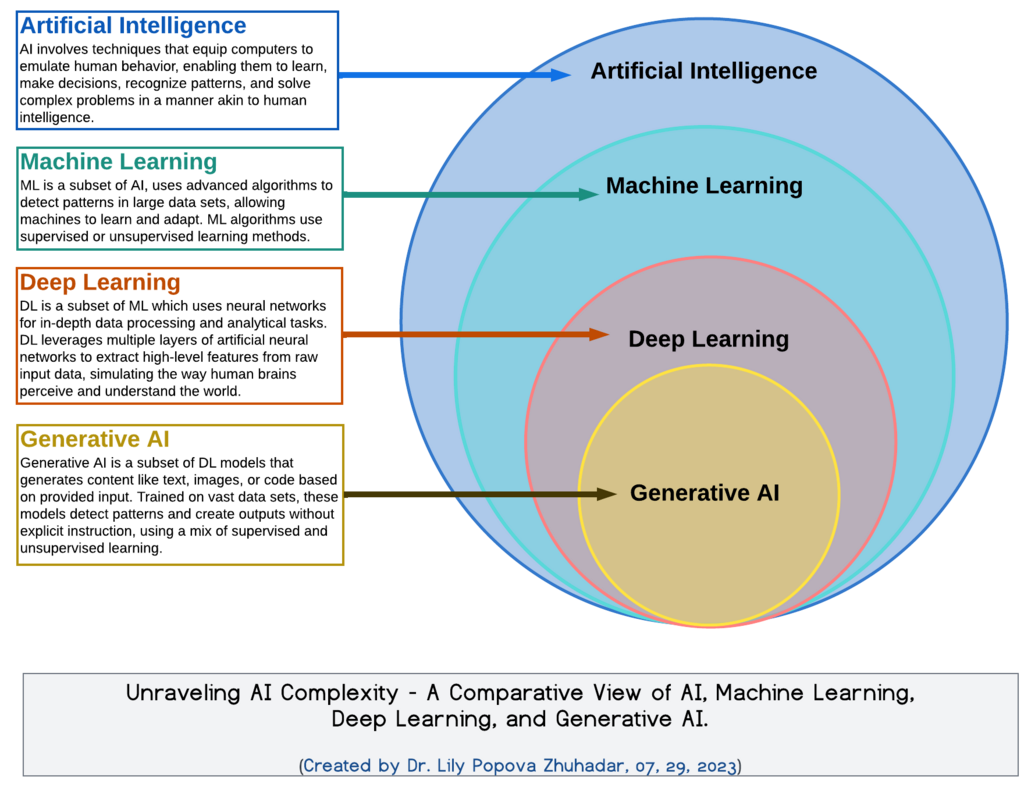
Its significance lies in its ability to handle complexity and scale that is beyond human capability. We can process a few variables at once, but an AI can analyze millions, finding subtle patterns that would otherwise go unnoticed. This opens up new possibilities in science, business, and everyday life.
A Meeting of Minds
AI isn't just the product of one field. It's an interdisciplinary effort, drawing on insights from several different areas of study to create a more complete model of intelligence.
Computer science provides the programming and algorithms. Cognitive science offers theories on how humans think and process information. Neuroscience gives us a blueprint of the brain, the most powerful learning machine we know. By combining these perspectives, researchers can build more sophisticated and capable AI systems.
Now, let's review these foundational ideas.
What is the primary goal of Artificial Intelligence?
Which of the following is NOT one of the three core objectives of AI?
Understanding these core concepts is the first step in seeing how AI is already shaping our world and what it might do in the future.