Introduction to Artificial Intelligence
Introduction to AI
What is Artificial Intelligence?
Artificial intelligence, or AI, is about making computers think and learn like humans. Traditional software follows explicit instructions written by a programmer. If you tell an app to turn the screen blue when a button is tapped, it will do exactly that, every single time. It can't learn, adapt, or make its own decisions.
AI is different. Instead of just following commands, an AI system can analyze vast amounts of information, recognize patterns, and make predictions or decisions on its own. It's less about being told what to do and more about figuring things out.
At its core, AI is the science and engineering of making intelligent machines, especially intelligent computer programs.
From Sci-Fi to Reality
The dream of creating intelligent machines has been around for centuries, but the actual scientific pursuit of AI began in the 1950s. The field has seen periods of intense optimism followed by spells of disappointment, known as "AI winters," when funding and interest waned.
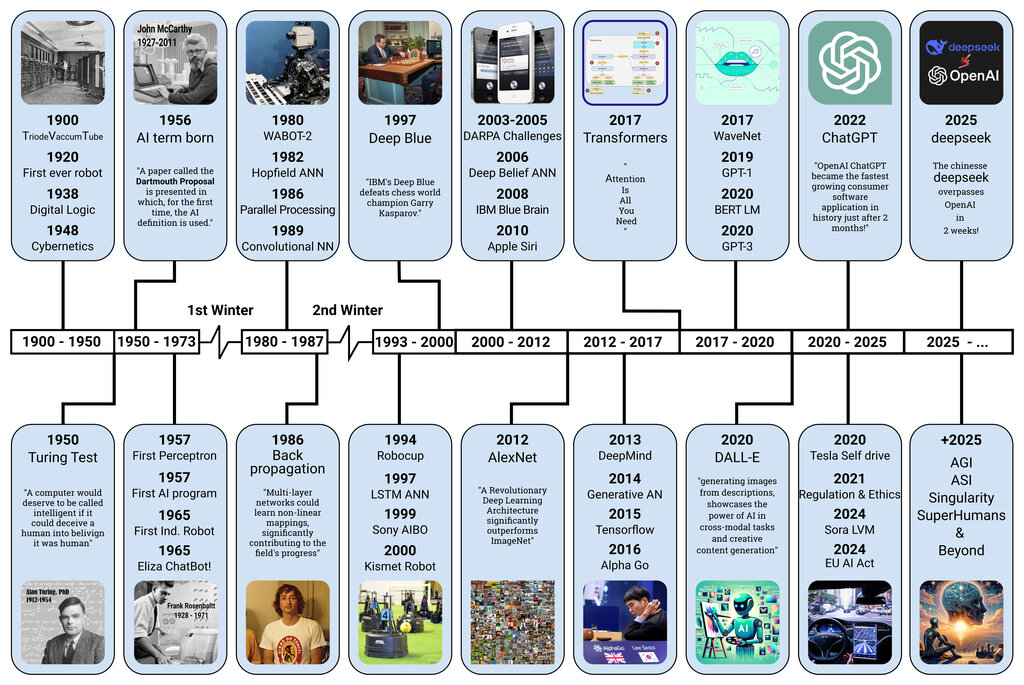
One of the earliest influential ideas was the "Turing Test," proposed by British mathematician Alan Turing in 1950. He suggested that if a machine could converse with a human so convincingly that the human couldn't tell it was a machine, then it could be considered intelligent.
The term "artificial intelligence" itself was coined in 1956 at a conference at Dartmouth College. This event brought together the first generation of AI researchers and set the agenda for the field for decades.
Early AI focused on solving puzzles and playing games like chess. But progress was slow. The computers of the time weren't powerful enough, and researchers underestimated the sheer complexity of human thought. This led to the AI winters of the 1970s and 80s.
Things began to change in the last couple of decades. Two key ingredients became widely available: massive amounts of data from the internet and incredibly powerful computers. This combination fueled a renaissance in AI, allowing old ideas to finally work and paving the way for the powerful systems we see today.
To understand AI's current state and future potential, we must appreciate its rich historical foundation, conceptual breakthroughs, and technological milestones.
Why AI Matters Now
Today, AI is no longer just a subject of academic research. It has become a fundamental part of modern society, woven into the fabric of our daily digital lives. From the algorithms that recommend movies and music to the systems that filter spam from your inbox, AI is constantly working in the background.
Its significance lies in its ability to tackle problems that are too big or complex for the human mind to solve alone. AI can analyze medical images to detect diseases earlier, help scientists model climate change with greater accuracy, and manage complex logistical networks to deliver goods more efficiently. It's a tool that amplifies human capability.
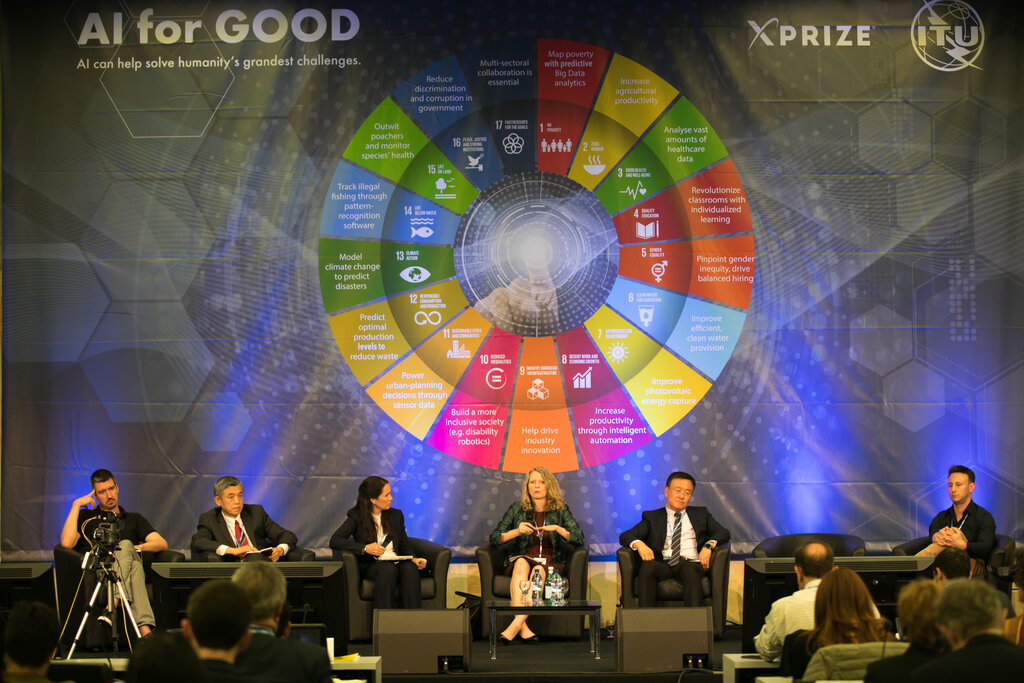
The rapid advancement of AI is changing the world, creating new opportunities while also raising important questions about ethics, privacy, and the future of work. Understanding its basic principles is the first step toward navigating this new landscape.