Introduction to Artificial Intelligence
Introduction to Artificial Intelligence
What Is Artificial Intelligence?
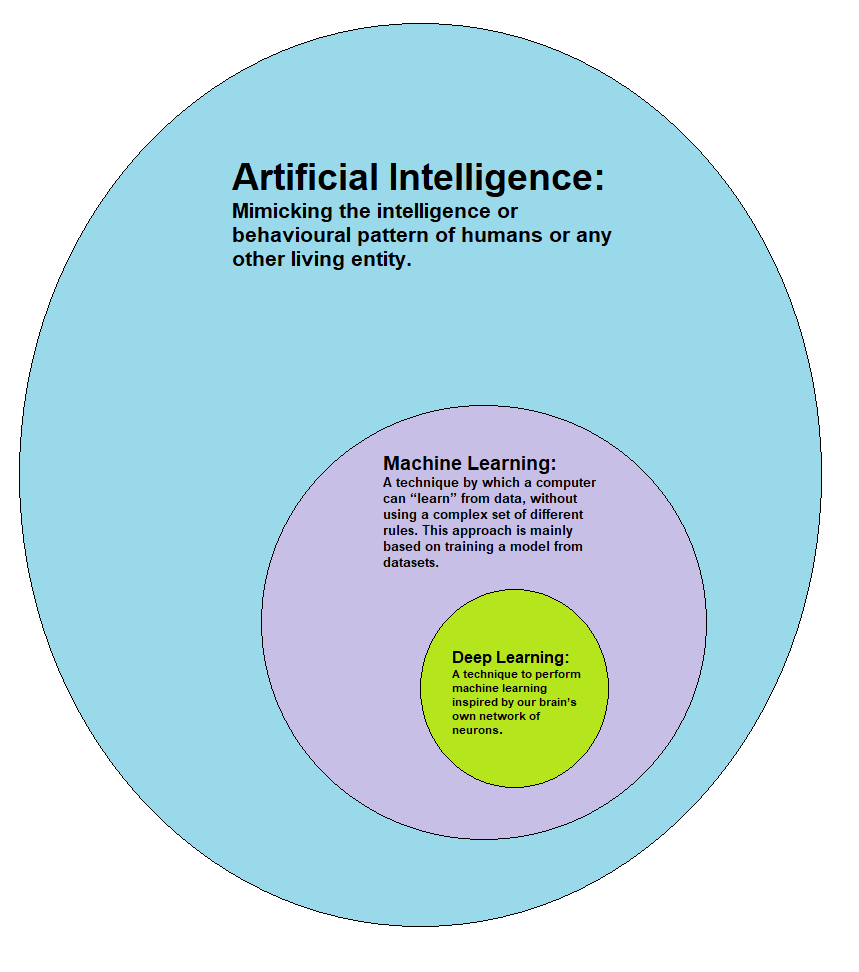
Artificial intelligence, or AI, is about creating computer systems that can perform tasks that typically require human intelligence. This includes things like learning from experience, understanding language, recognizing objects, solving problems, and making decisions. The goal isn't just to make machines follow instructions, but to enable them to think and adapt on their own.
This introduction to this special issue discusses artificial intelligence (AI), commonly defined as “a system’s ability to interpret external data correctly, to learn from such data, and to use those learnings to achieve specific goals and tasks through flexible adaptation.”
Think of it this way: when you learn to ride a bike, you don't just memorize a set of rules. You get a feel for balancing, pedaling, and steering through trial and error. AI systems learn in a similar way, by processing vast amounts of information and recognizing patterns within it. This allows them to go beyond simple programming and develop new capabilities over time.
At its core, AI aims to replicate or simulate human intelligence in machines. This field is incredibly broad, encompassing everything from simple chatbots to complex systems that can diagnose diseases or compose music.
AI in Your Daily Life
AI isn't just a concept from science fiction; it's already a part of our everyday lives. From the moment you unlock your phone with your face to the customized movie recommendations you get at night, AI is working behind the scenes. Its applications span across numerous industries, making processes more efficient, accurate, and personalized.
| Industry | AI Application | What It Does |
|---|---|---|
| Healthcare | Medical Imaging Analysis | Helps doctors detect diseases like cancer in X-rays and CT scans with greater accuracy. |
| Finance | Fraud Detection | Analyzes your spending patterns to instantly flag and block suspicious transactions. |
| Transportation | Self-Driving Cars | Uses sensors and cameras to navigate roads, identify obstacles, and make driving decisions. |
| Entertainment | Recommendation Engines | Suggests movies, music, and products based on your past preferences and viewing habits. |
| Customer Service | Chatbots & Virtual Assistants | Provides instant answers to common questions on websites and apps, 24/7. |
Why AI Matters
The importance of AI in our society is growing rapidly. It's more than just a convenient tool; it's a technology that has the potential to solve some of the world's most significant challenges. By analyzing complex data sets, AI can help scientists accelerate research in medicine, climate change, and space exploration.
In business, AI drives innovation by automating routine tasks, freeing up humans to focus on more creative and strategic work. It provides deep insights from data that can lead to better products, improved services, and smarter business decisions. This shift is reshaping economies and changing the nature of work itself.
Ultimately, AI is a powerful force for progress. It amplifies human capabilities, allowing us to process information and solve problems on a scale that was previously unimaginable.

Understanding the basics of AI is the first step toward navigating this new landscape. Let's review what you've learned.
What is the primary goal of Artificial Intelligence?
How do AI systems typically learn, similar to how a person learns to ride a bike?