Introduction to Artificial Intelligence
Introduction to Artificial Intelligence
What Is Artificial Intelligence?
Artificial intelligence, or AI, is the science of making machines that can think or act like humans. Think of it like this: when we learn, we recognize patterns, make predictions, and understand language. AI is the effort to build computer systems that can do the same things. It’s a vast field that ranges from playing chess to driving a car to helping doctors diagnose diseases.
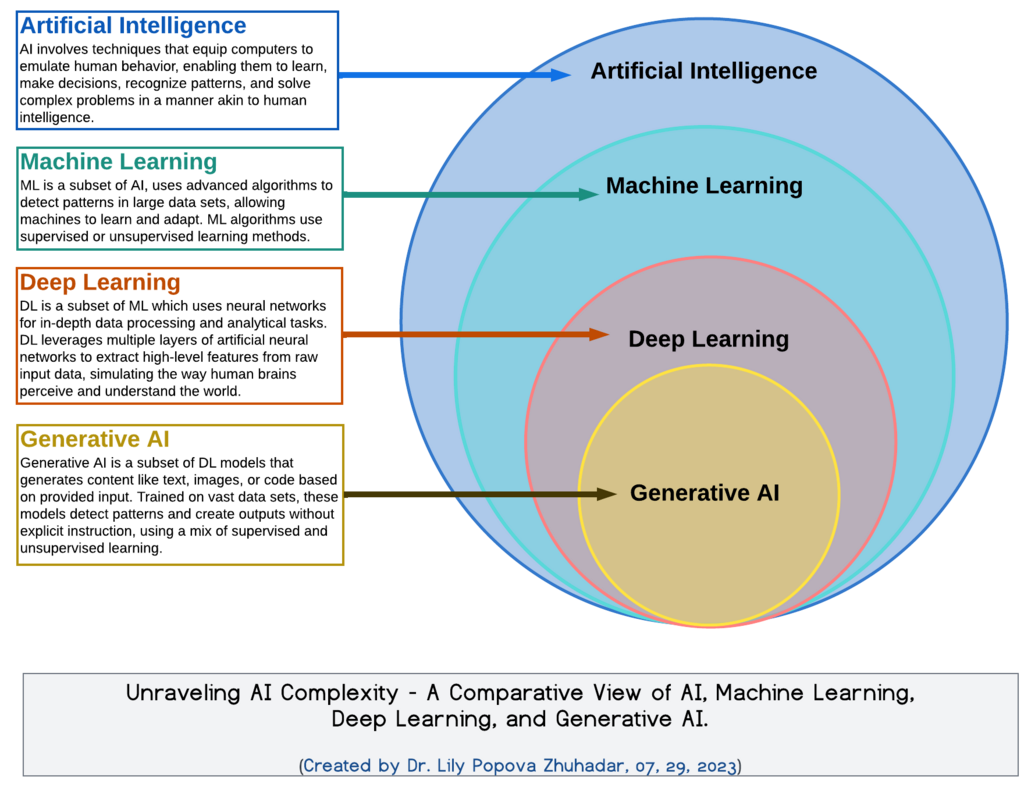
AI isn't just one single technology. It's a broad umbrella that covers many different approaches and specialized areas. Some of the most important branches grew out of the main field as researchers found new ways to tackle the challenge of creating intelligence.
A Brief History of AI
The dream of intelligent machines is ancient, but the scientific field of AI is relatively new. It officially kicked off in the summer of 1956 at a workshop at Dartmouth College. It was there that a group of pioneering computer scientists gathered to explore the idea that “every aspect of learning or any other feature of intelligence can in principle be so precisely described that a machine can be made to simulate it.”
The field of AI was officially born at the Dartmouth Conference in 1956, where John McCarthy coined the term “artificial intelligence.”
This conference sparked decades of research. The journey wasn't a straight line. There were periods of great excitement and funding, known as “AI summers,” followed by periods of disillusionment and cutbacks, called “AI winters,” when the hype outpaced reality. Early AI focused on rule-based systems, where programmers tried to write down all the rules for intelligent behavior. This worked for well-defined problems like checkers but failed at messier, real-world tasks.
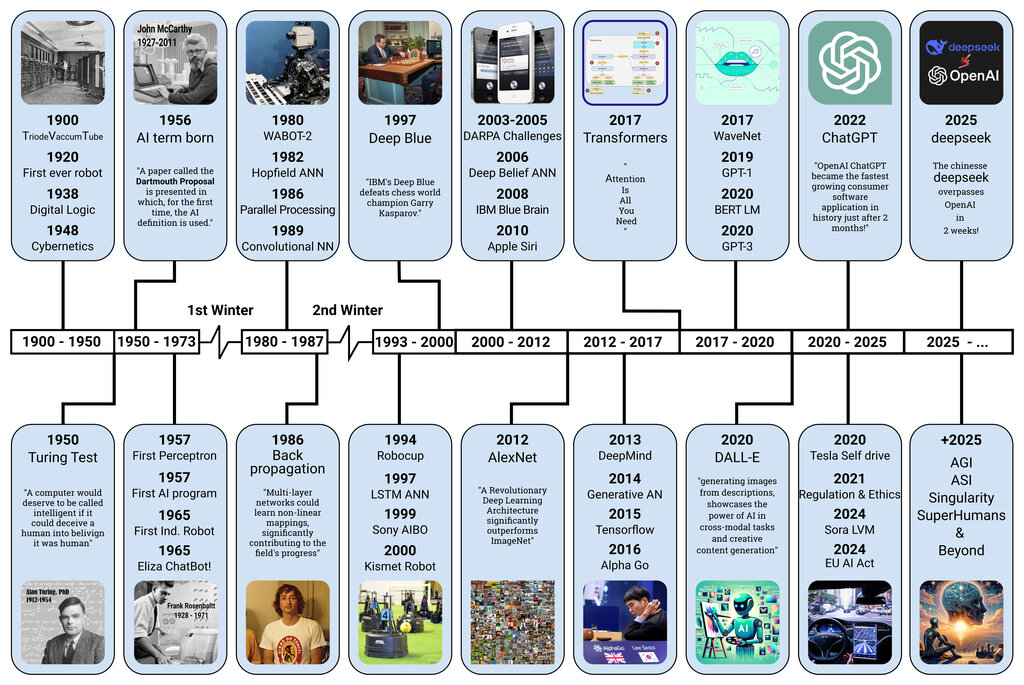
A major shift came with the rise of machine learning in the 1980s and 90s. Instead of being explicitly programmed, systems could now learn from data. This led to breakthroughs like IBM’s Deep Blue defeating chess champion Garry Kasparov in 1997. In recent years, advances in computing power and the availability of massive datasets have fueled the growth of deep learning, leading to the powerful AI we see today.
The Core Branches of AI
Modern AI is built on several key subfields, each focused on a different aspect of intelligence.
Machine Learning
noun
The study of computer algorithms that can improve automatically through experience and by the use of data.
Machine learning (ML) is at the heart of most modern AI. It’s the process of training a system on large amounts of data to find patterns and make predictions. Instead of writing rules, you let the machine figure out the rules for itself. This is the technology behind spam filters, product recommendations, and facial recognition.
Natural Language Processing
noun
A field of AI that enables computers to understand, interpret, and generate human language.
Natural Language Processing, or NLP, focuses on the interaction between computers and human language. Its goal is to enable machines to read, understand, and generate text and speech. Every time you use a voice assistant like Siri or Google Translate, you're using NLP.
Computer Vision
noun
A field of AI that trains computers to interpret and understand the visual world.
Computer vision gives machines the sense of sight. It involves processing images and videos to identify objects, people, and scenes. This is the technology that allows your phone to recognize faces in photos and enables autonomous vehicles to navigate the world. These fields often overlap, working together to create more sophisticated AI systems.
What is the fundamental goal of Artificial Intelligence?
The scientific field of AI is considered to have officially begun at a 1956 workshop held at which institution?