Introduction to Artificial Intelligence
Introduction to Artificial Intelligence
What Is Artificial Intelligence?
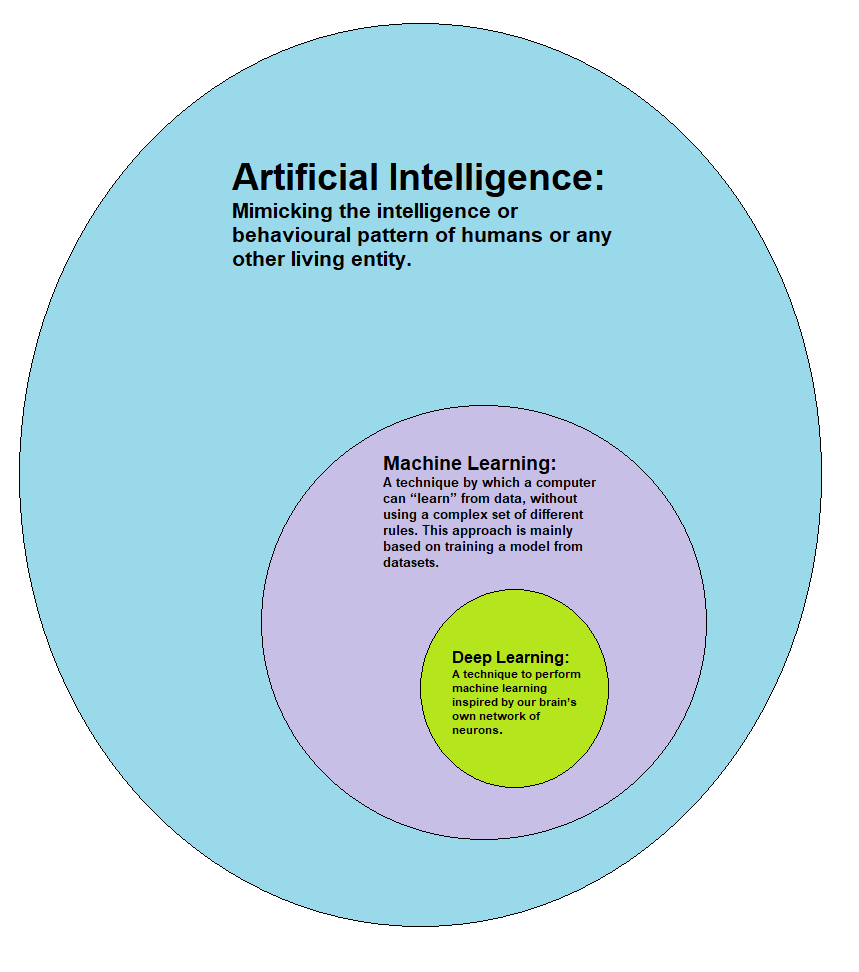
Artificial intelligence is the science of making machines that can perform tasks that typically require human intelligence. This includes things like learning from experience, solving problems, understanding language, and recognizing objects.
At its core, AI is about creating systems that can think or act intelligently, mimicking the cognitive functions we associate with the human mind.
The primary goal isn't necessarily to create a conscious machine, but to build tools that can reason and operate in complex environments. Key objectives include:
- Reasoning and Problem-Solving: Figuring out solutions to puzzles or logistical challenges.
- Learning: Adapting and improving performance based on new data or experiences.
- Perception: Making sense of the world through visual or auditory input.
- Interaction: Understanding human language and moving physical objects.
The Branches of AI
Artificial intelligence isn't a single technology; it's a broad field with many specialized areas. Think of it like medicine, which has branches like cardiology and neurology. Some of the most important subfields of AI are machine learning, natural language processing, and computer vision.
Machine Learning
noun
A subfield of AI where algorithms are trained on data to find patterns and make predictions without being explicitly programmed for that task.
Instead of writing step-by-step instructions, developers feed a machine learning model vast amounts of examples. By analyzing this data, the model learns the rules for itself.
Natural Language Processing
noun
The branch of AI focused on enabling computers to understand, interpret, and generate human language, both text and speech.
NLP, or Natural Language Processing, bridges the gap between human communication and computer understanding. It's the technology behind language translation apps, chatbots, and sentiment analysis tools.
Computer Vision
noun
An area of AI that trains computers to interpret and understand information from digital images, videos, and other visual inputs.
Through computer vision, machines can "see" the world. This allows them to perform tasks like facial recognition, object detection in medical scans, and navigating physical spaces.
Why AI Matters
AI is significant because it enhances and automates tasks on a scale far beyond human capabilities. It's not just a far-off concept from science fiction; it's a foundational part of modern technology that drives efficiency and innovation.
From recommending your next movie to optimizing supply chains, AI is already working behind the scenes. It helps scientists analyze massive datasets to discover new drugs, enables financial institutions to detect fraud in real-time, and powers the smart features in the apps you use every day.
Ultimately, AI is a powerful tool for solving some of the world's most complex problems, amplifying human ingenuity and allowing us to tackle challenges in new ways.
Now that you have a basic understanding of AI and its key branches, let's test your knowledge.
What is the primary goal of artificial intelligence as described in modern technology?
A self-driving car uses cameras and sensors to identify pedestrians, traffic lights, and other vehicles. Which major subfield of AI is most critical for this specific task?
By grasping these core concepts, you've built a solid foundation for understanding the more advanced topics ahead.