Introduction to Artificial Intelligence
Introduction to AI
What Is Artificial Intelligence?
At its core, artificial intelligence (AI) is the science of making machines smart. It's about building computer systems that can perform tasks that typically require human intelligence. Think about how you recognize a friend's face in a photo, understand the words they're saying, or decide the best route to take to the store. These are complex jobs for our brains, and AI aims to enable machines to do them too.
The broad term “artificial intelligence” refers to the simulation of human-level intelligence and thinking through the use of machines.
This doesn't mean creating robots that think and feel exactly like humans. Most of the AI we interact with is designed for specific tasks. It might be incredibly good at playing chess, but it can't tell you a joke or understand your feelings. The goal is to create tools that can learn from data, identify patterns, and make decisions to solve specific problems, often much faster and more accurately than a person could.
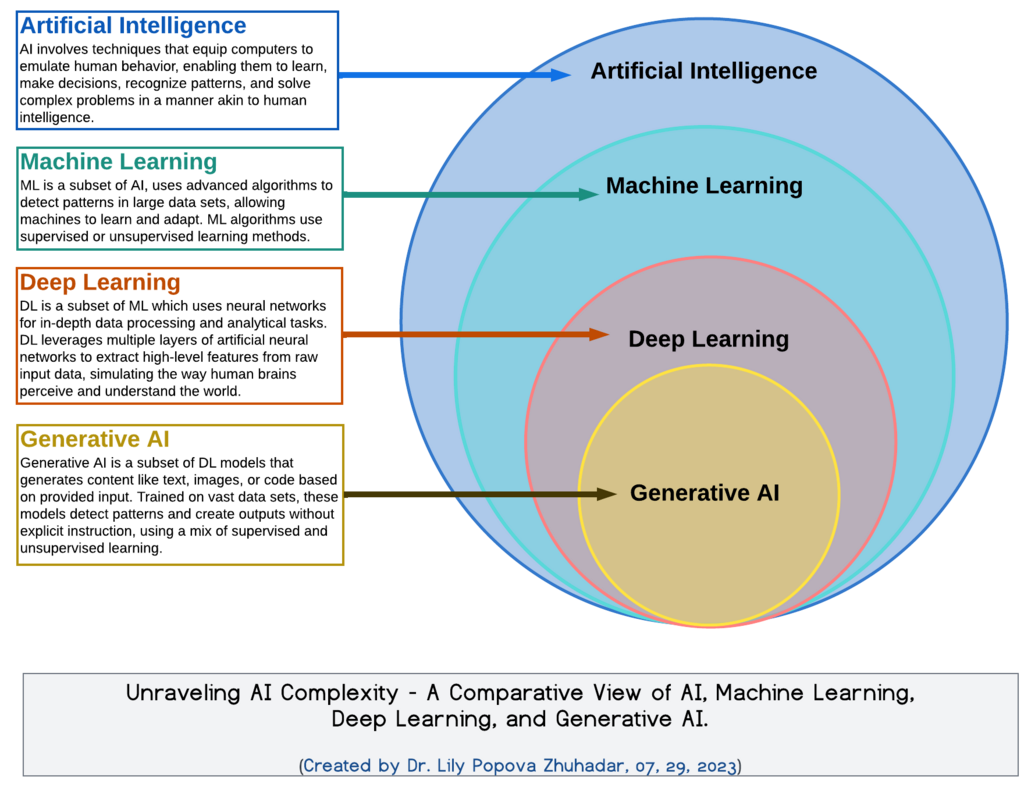
Why AI Matters
Artificial intelligence is becoming a driving force in the modern world, much like electricity was over a century ago. Its importance lies in its ability to process vast amounts of data and automate complex tasks across nearly every industry.
In healthcare, AI helps doctors analyze medical images to spot diseases like cancer earlier and more accurately. In finance, it detects fraudulent transactions in real-time, protecting people's accounts. Car manufacturers use AI to develop self-driving vehicles that could one day make our roads much safer.
The power of AI is its ability to find the needle of insight in a haystack of data.
By automating routine tasks and providing powerful insights, AI frees up human workers to focus on more creative, strategic, and complex problems. It's not just about replacing human effort; it's about augmenting it, allowing us to achieve things that were previously impossible.
AI in Your Daily Life
You might not always notice it, but you likely use AI every single day. It's woven into the fabric of the digital services we rely on.
When you ask a digital assistant like Siri or Alexa for the weather, you're using AI. The spam filter in your email that catches junk messages before you see them? That's AI at work, learning to distinguish legitimate emails from scams.
Think about your favorite streaming service. The reason it's so good at recommending movies or songs you'll love is because an AI system has analyzed your viewing habits and compared them to millions of other users. Navigation apps like Google Maps or Waze use AI to analyze real-time traffic data, predicting congestion and suggesting faster routes to get you to your destination on time.

From the personalized ads you see online to the camera on your phone that automatically adjusts settings for the perfect shot, AI is quietly working in the background. It's making our technology more helpful, intuitive, and efficient.
Now, let's test your understanding of these fundamental ideas.
What is the primary goal of most modern AI systems as described in the text?
The text compares the transformative impact of AI on the modern world to which previous technological revolution?
By understanding what AI is and recognizing its role in our lives, you're ready to explore its different forms and capabilities.