Introduction to Artificial Intelligence
Introduction to Artificial Intelligence
What Is Artificial Intelligence?
Artificial Intelligence, or AI, is the science of making computers do things that normally require human intelligence. This includes tasks like learning from experience, understanding language, recognizing objects, solving problems, and making decisions.
Artificial Intelligence
noun
The theory and development of computer systems able to perform tasks that normally require human intelligence, such as visual perception, speech recognition, decision-making, and translation between languages.
Think of it this way: a simple calculator can perform complex math, but it only follows the instructions it's given. It doesn't learn. AI, on the other hand, is designed to mimic our ability to learn and adapt. It's about creating systems that can reason, improve, and act on their own.
A Quick Trip Through Time
The idea of intelligent machines has been around for centuries, but the formal field of AI research began in the 1950s. The term "artificial intelligence" was officially coined at a workshop at Dartmouth College in 1956. Early researchers were optimistic, believing that a machine as intelligent as a human being was just a few decades away.
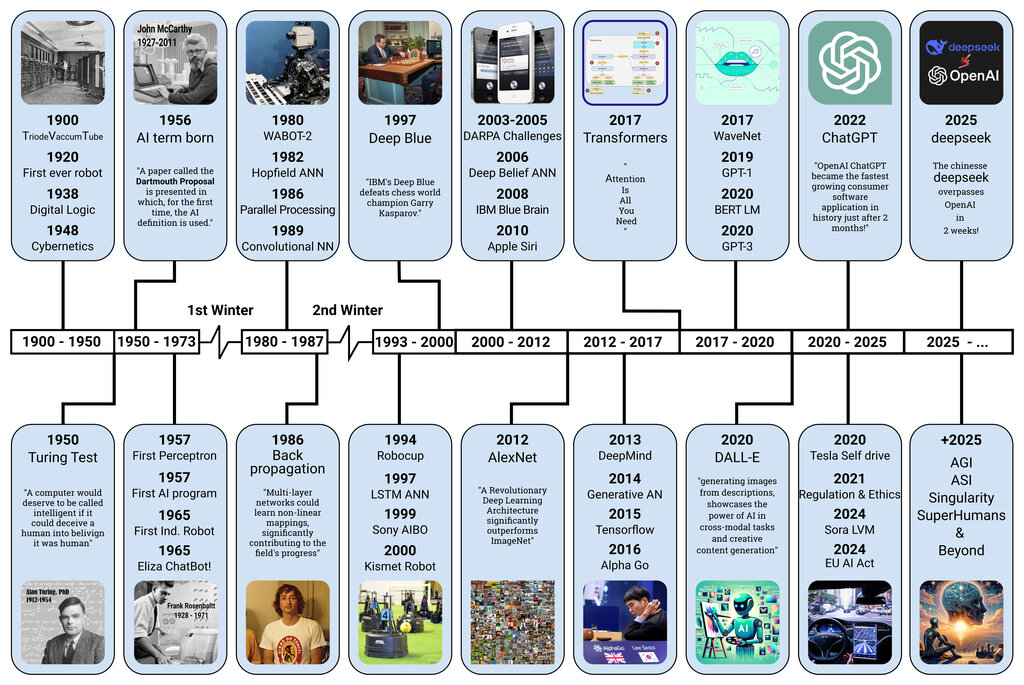
The journey wasn't a straight line. Progress was followed by periods known as "AI winters," when funding dried up because the technology couldn't meet the high expectations. But in recent years, a perfect storm of massive datasets (big data), powerful computers, and smarter algorithms has led to the incredible AI boom we're seeing today.
AI vs. Traditional Code
So what makes an AI system different from a standard computer program? A traditional program operates on explicit rules written by a programmer. It's a rigid set of instructions: if X happens, do Y. The program is only as smart as the rules it's given.
Traditional programming uses data to execute pre-written rules. AI uses data to create the rules.
An AI system, particularly one using machine learning, isn't just handed a rulebook. Instead, it's given a large amount of data and an objective. It then learns the patterns and rules from the data itself.
For example, to program a computer to identify spam emails traditionally, you'd have to write specific rules like "if the email contains 'free money', mark it as spam." The problem is, spammers adapt. An AI approach is different: you show the system thousands of examples of spam and non-spam emails, and it learns the underlying characteristics of spam on its own. It can then identify new types of spam it has never seen before.
Why AI Matters Now
AI is no longer just a concept from science fiction; it's a technology that powers many of the tools we use every day. From recommending what movie to watch next to helping your phone's camera take better pictures, AI is working behind the scenes.
In business, AI is transforming industries. It helps doctors diagnose diseases earlier, allows banks to detect fraudulent transactions more effectively, and enables retailers to manage their inventory with greater precision. AI's ability to analyze vast amounts of data and find hidden patterns is creating new opportunities and solving complex problems that were previously out of reach.
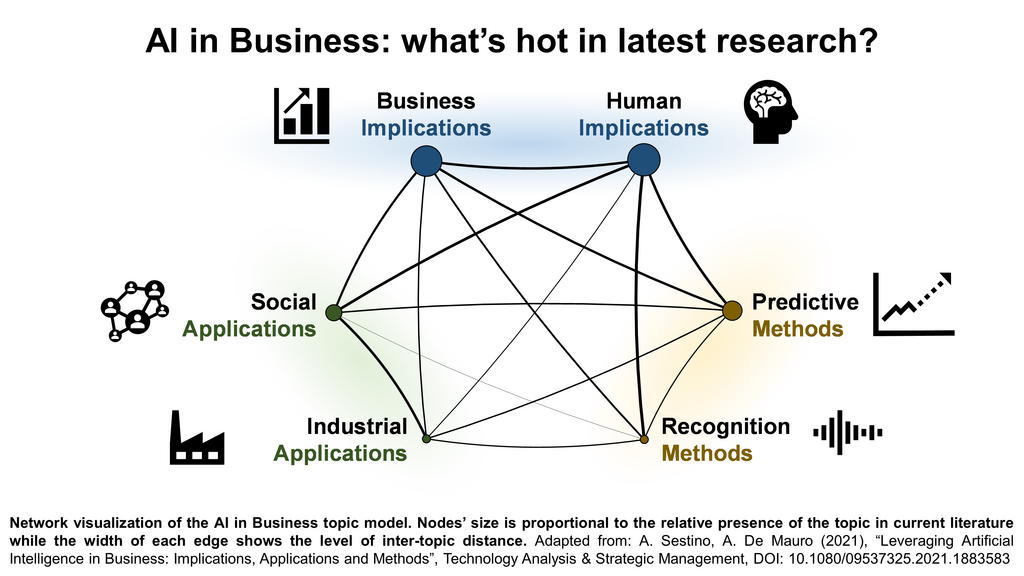
Understanding the basics of AI is becoming essential. It's not about becoming an expert programmer, but about grasping the core ideas so you can understand how this powerful technology is shaping our world.
What is the primary goal of Artificial Intelligence?
What is the key difference between an AI system using machine learning and a traditional computer program?
Now that you've got the basics down, you're ready to explore the different types of AI and how they work.