Introduction to Artificial Intelligence
Introduction to Artificial Intelligence
What Is Artificial Intelligence?
Artificial intelligence is all about making computers smart. The main goal is to create systems that can perform tasks that typically require human intelligence. This includes things like learning from experience, solving problems, understanding language, and recognizing patterns.
Artificial Intelligence
noun
A field of computer science dedicated to creating systems capable of performing tasks that normally require human intelligence.
Think of it this way: we're trying to teach machines how to think, reason, and adapt. Instead of just following a strict set of pre-programmed instructions, an AI system can analyze new information and make decisions on its own. It's the difference between a simple calculator and a program that can play chess or diagnose diseases.
A Quick Trip Through Time
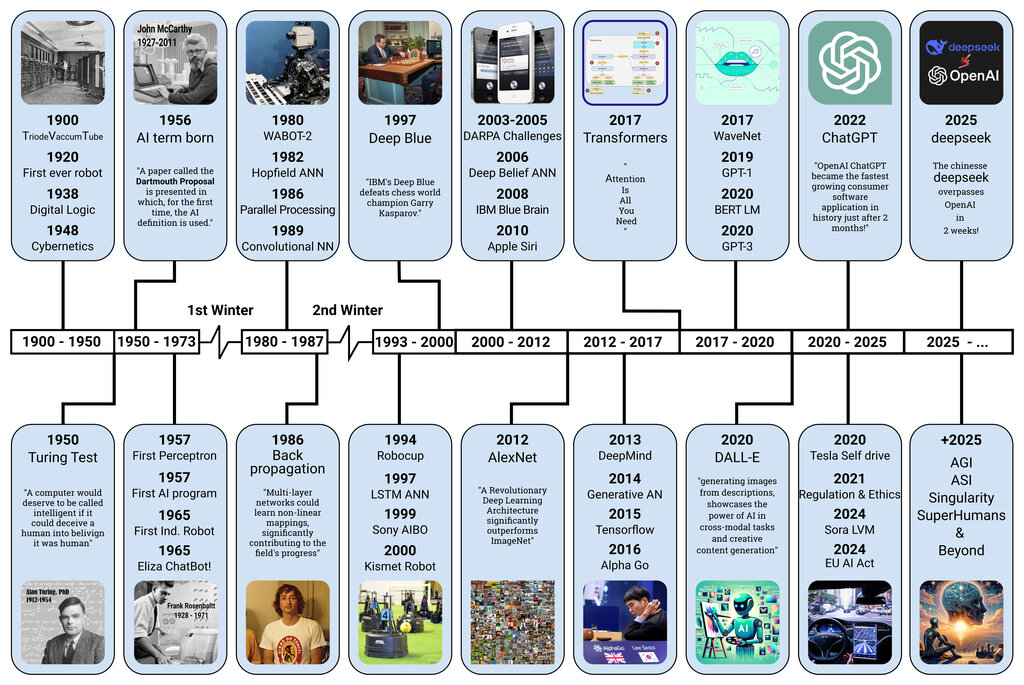
The idea of intelligent machines has been around for centuries, but the actual field of AI officially kicked off in the summer of 1956. A group of scientists gathered at Dartmouth College for a workshop where they coined the term "artificial intelligence" and laid out the basic vision for the field.
Key Milestone: The 1956 Dartmouth Summer Research Project on Artificial Intelligence is widely considered the birth of AI as a distinct field of study.
The journey wasn't a straight line. The early years were full of excitement, but progress was slower than expected. This led to periods known as "AI winters," when funding dried up and public interest faded. However, breakthroughs in computing power and the availability of vast amounts of data eventually sparked a massive resurgence. Today, AI is advancing faster than ever.
Two Flavors of AI
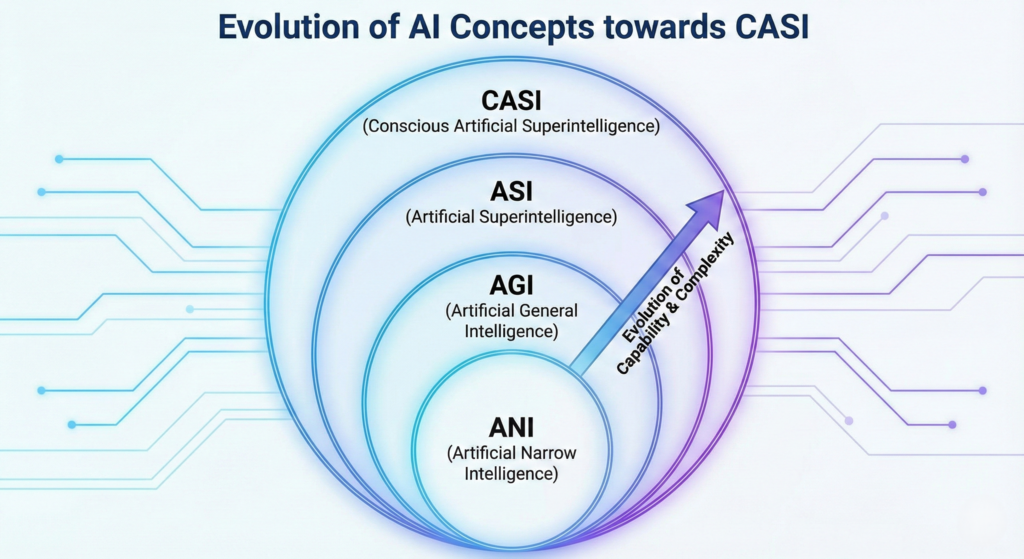
When people talk about AI, they are usually referring to one of two types: Narrow AI or General AI.
| Type | Description | Example |
|---|---|---|
| Narrow AI | Designed to perform a single, specific task. | A voice assistant, a spam filter, or a movie recommendation engine. |
| General AI | A hypothetical AI with human-like intelligence across many different domains. | The self-aware computers you see in science fiction movies. |
All the AI we use today is Narrow AI, also known as Artificial Narrow Intelligence (ANI). It can be incredibly powerful at its specific job—sometimes even better than humans—but it can't operate outside of its designated function. Your navigation app can find the fastest route, but it can't write a poem or diagnose a medical condition.
Artificial General Intelligence (AGI) is the long-term dream of many AI researchers. It refers to a machine with the ability to understand, learn, and apply knowledge in the same way a human can. An AGI could switch between tasks, think creatively, and handle unfamiliar situations. Right now, AGI remains purely theoretical.
Now that you have a handle on the basics, let's test your knowledge.
What is the primary goal of artificial intelligence?
The type of AI that exists today, which is designed for one specific task, is known as:
Understanding these foundational ideas is the first step in seeing how AI works and where it might be headed.