Introduction to Artificial Intelligence
Introduction to AI
What Is Artificial Intelligence?
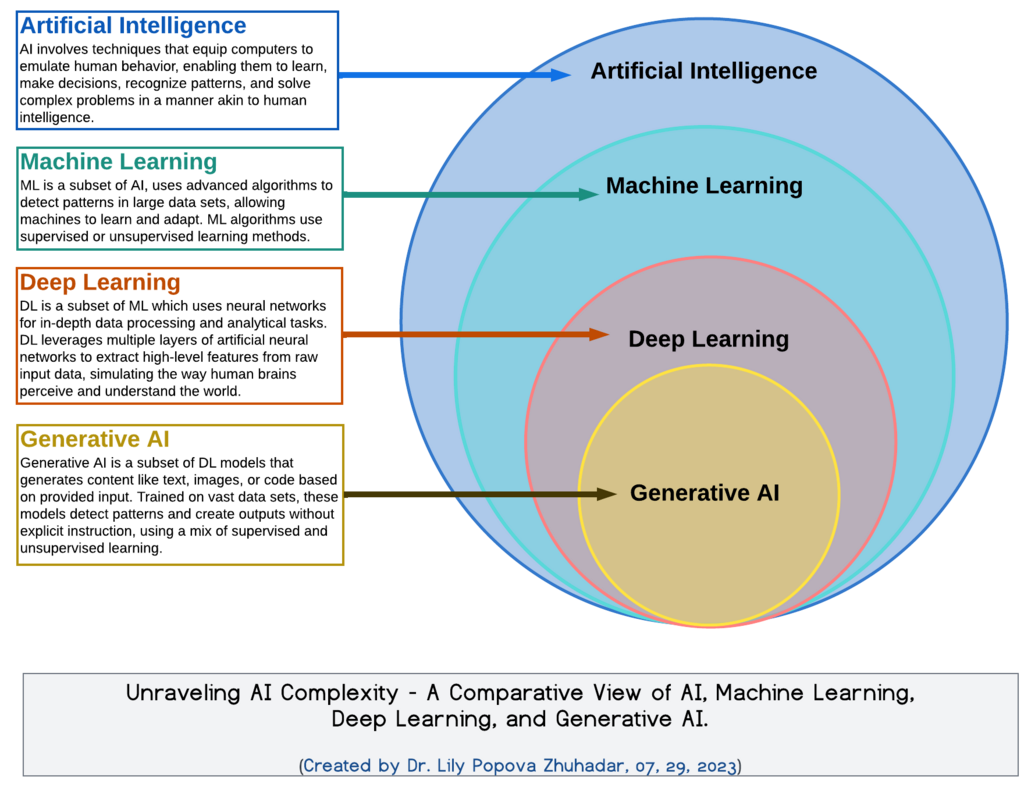
Artificial Intelligence, or AI, is the science of making machines smart. It's a field of computer science focused on creating systems that can perform tasks that would normally require human intelligence. Think of it less as building a conscious brain and more as teaching a computer how to learn, reason, and make decisions on its own.
At its core, AI is about creating algorithms—sets of rules or instructions—that allow a computer to process information and produce an outcome. An AI system perceives its environment through data, interprets this data, and takes actions to achieve a specific goal. This could be anything from recognizing a cat in a photo to navigating a car through city streets.
The fundamental goal is to build machines that can augment human capabilities, handling complex tasks with speed and accuracy far beyond what a person could achieve alone.
The Main Objectives
The ambitions of AI are broad, but they generally revolve around simulating different aspects of human intellect. Key objectives include:
- Learning: Acquiring knowledge from data and improving performance over time without being explicitly programmed for every scenario.
- Reasoning: Using logic to solve problems and draw conclusions from the available information.
- Problem-Solving: Finding solutions to complex challenges, from playing a game of chess to optimizing a delivery route.
- Perception: Interpreting the world through sensory data, such as recognizing objects in images (computer vision) or understanding spoken words (speech recognition).
- Language: Understanding and generating human language, a field known as Natural Language Processing (NLP).
Two Flavors of AI
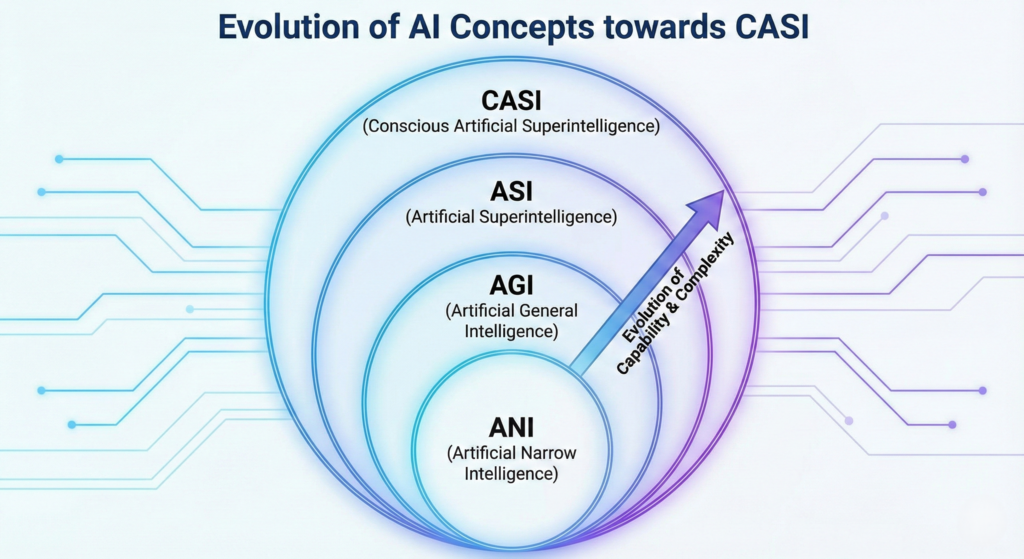
Not all AI is created equal. The field is broadly divided into two main categories based on capability: Artificial Narrow Intelligence and Artificial General Intelligence.
Artificial Narrow Intelligence
noun
Often called Weak AI, this is AI that is designed and trained for one specific task. It operates within a limited, pre-defined range and cannot perform beyond its designated function.
Virtually all the AI we use today is narrow AI. Your weather app, a music recommendation engine, and a language translation tool are all examples. They are incredibly powerful at their specific jobs, but they lack general awareness or the ability to apply their skills to a new, unfamiliar domain.
Artificial General Intelligence
noun
Often called Strong AI, this is a hypothetical form of AI that possesses the ability to understand, learn, and apply its intelligence to solve any problem a human being can. It would have consciousness, self-awareness, and adaptable intellect.
AGI remains firmly in the realm of science fiction for now. Creating a machine with the flexible, creative, and common-sense reasoning of the human mind is a monumental challenge that researchers are still very far from solving.
| Feature | Narrow AI (ANI) | General AI (AGI) |
|---|---|---|
| Scope | Specializes in a single task | Can handle any intellectual task a human can |
| Awareness | No consciousness or self-awareness | Hypothetically conscious and self-aware |
| Learning | Learns from data for its specific task | Can transfer knowledge between domains |
| Current Status | Widely used today | Purely theoretical |
How AI Mimics Cognition
When we say AI mimics human cognition, it's a useful shorthand. AI systems don't "think" or "feel" the way humans do. Instead, they use complex mathematics and computational power to simulate the outcomes of human thought.
For instance, when an AI model "learns" to identify dogs in pictures, it isn't forming a mental concept of "dogginess." It's adjusting millions of internal parameters based on labeled examples until its pattern-matching algorithm can consistently associate the pixels in a dog photo with the label "dog."
This process—taking in data, processing it through an algorithm designed to simulate a cognitive function, and producing a useful output—is the essence of artificial intelligence. It's a powerful tool built on logic and data, designed to extend our own intellectual reach.
Now that you have a foundational understanding of what AI is, we can explore where it came from and how it has evolved over the decades.