Introduction to Artificial Intelligence
Introduction to Artificial Intelligence
What Is Artificial Intelligence?
At its core, artificial intelligence (AI) is the science of making machines smart. It's about creating computer systems that can perform tasks that usually require human intelligence. This includes things like learning from experience, understanding language, recognising patterns, and solving problems.
Think of it this way: We don't program an AI with every possible answer. Instead, we design it to find the answers on its own by processing large amounts of information.
AI systems are built to perceive their environment, reason about what they perceive, and make decisions to achieve a specific goal. This ability to learn and adapt is what makes AI so powerful. It's not just about following a rigid set of instructions; it's about making intelligent choices in new situations.
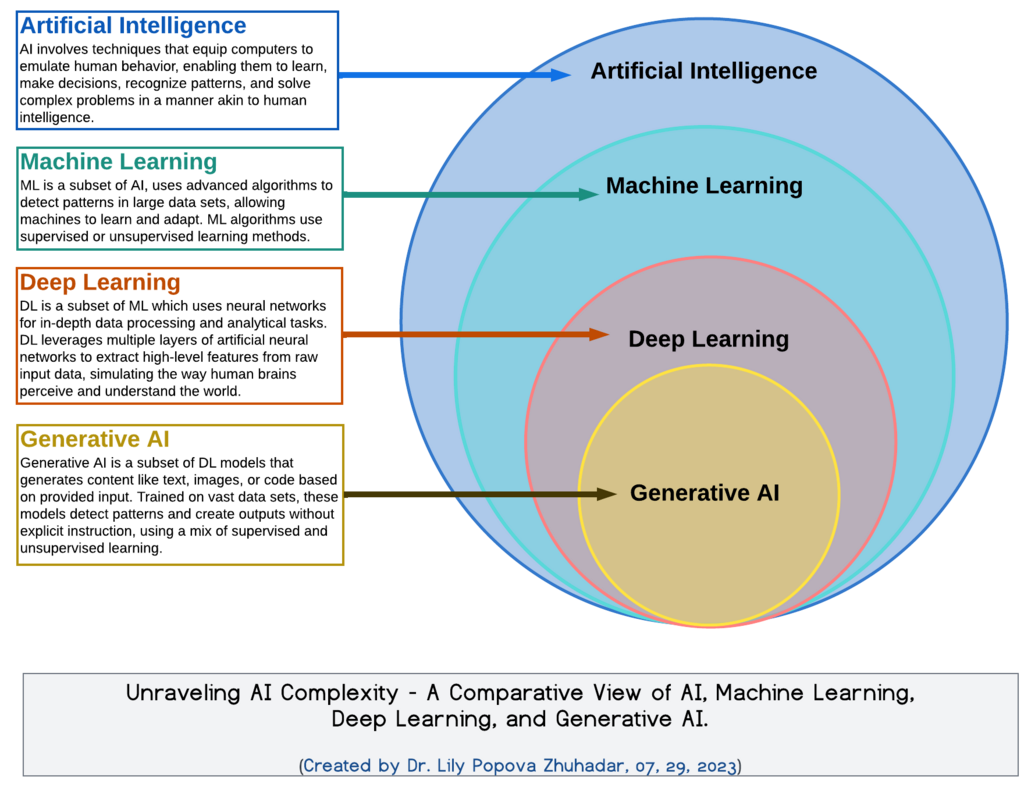
This technology is no longer confined to science fiction. It's a fundamental part of modern society, driving innovation and changing how we live and work. From the apps on your phone to the systems that manage city traffic, AI is working behind the scenes. Its importance lies in its ability to automate complex tasks, analyse data at a scale humans cannot, and provide insights that lead to better decisions.
AI in the Real World
AI's applications are vast and continue to grow. It is transforming entire industries and creating new possibilities.
| Industry | Application of AI |
|---|---|
| Healthcare | Analysing medical images like X-rays to detect diseases earlier. |
| Finance | Detecting fraudulent transactions in real-time to protect consumers. |
| Retail | Providing personalised product recommendations on e-commerce sites. |
| Entertainment | Powering recommendation algorithms on streaming services like Netflix. |
| Transportation | Developing self-driving cars and optimising delivery routes. |
| Agriculture | Using drones and sensors to monitor crop health and improve yields. |
These are just a few examples. AI also plays a crucial role in scientific research, helping scientists analyse complex datasets to discover new drugs or understand climate change. It powers the voice assistants we talk to and the chatbots that provide customer service.
The goal of AI is not necessarily to replicate human consciousness, but to create tools that can extend our own capabilities. By handling repetitive or data-intensive tasks, AI frees up human creativity and intellect to focus on more complex, strategic challenges. This partnership between human and artificial intelligence is shaping the future.
What is the fundamental concept of artificial intelligence (AI)?
According to the text, the main goal of AI is to replicate human consciousness.
Understanding these basic concepts is the first step into the larger world of artificial intelligence.