Introduction to Artificial Intelligence
Introduction to Artificial Intelligence
What Is Artificial Intelligence?
Artificial intelligence, or AI, is about making computers think and learn in ways that seem human. It's not just about robots that look like us. It’s the technology that powers the recommendation engine suggesting your next favorite movie, or the navigation app that finds the fastest route home.
At its core, AI is a field of computer science dedicated to creating systems that can perform tasks that typically require human intelligence. This includes things like recognizing speech, making decisions, and translating languages.
Artificial Intelligence
noun
The theory and development of computer systems able to perform tasks that normally require human intelligence, such as visual perception, speech recognition, decision-making, and translation between languages.
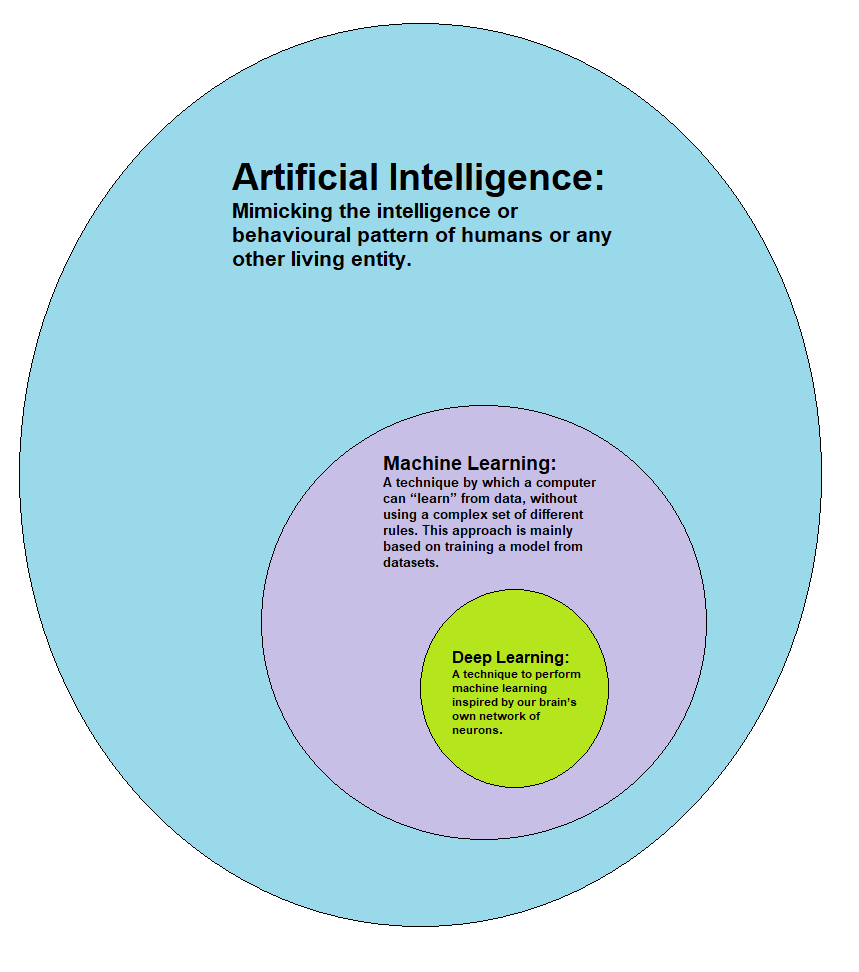
AI isn't a single technology but a broad field with many subfields. You may have heard of terms like machine learning and deep learning, which are specific ways of achieving AI. Machine learning allows systems to learn from data, while deep learning uses complex brain-like structures called neural networks to do so.
A Brief History of AI
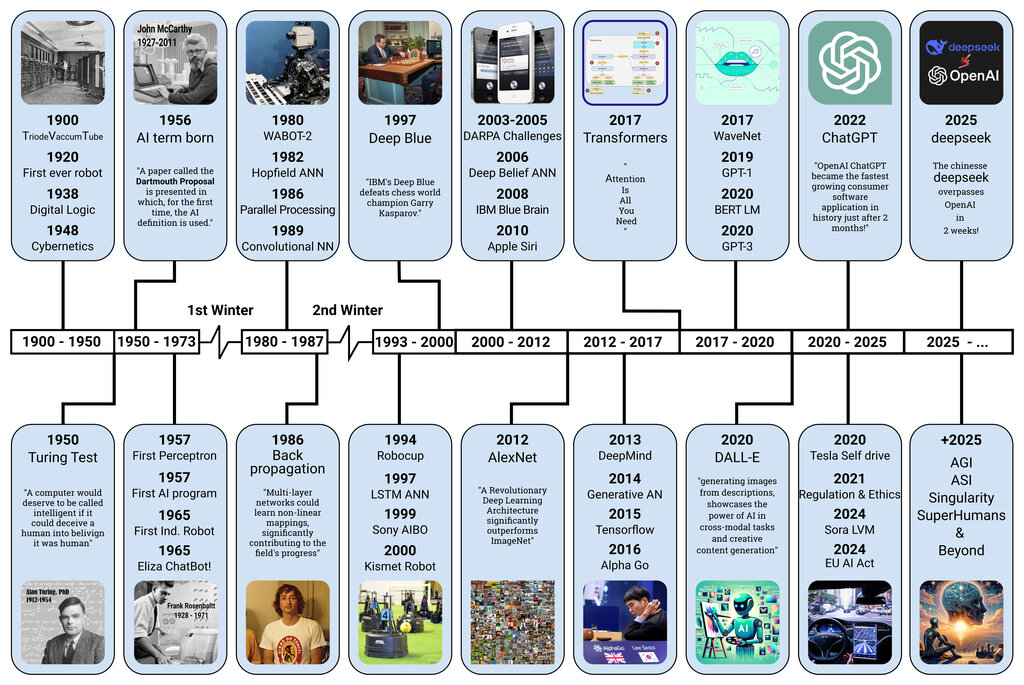
The idea of intelligent machines has been around for centuries, but the modern field of AI officially began in the mid-20th century. Early pioneers were driven by a simple but powerful question: can a machine think?
The term itself was coined in 1956 at a workshop at Dartmouth College. A small group of mathematicians and scientists gathered to explore the possibility of creating machines that could reason and be creative. This event marked the birth of AI as a formal field of study.
The Dartmouth workshop set the agenda for AI research for decades, focusing on areas like language simulation, problem-solving, and learning.
The path forward wasn't always smooth. The field experienced several "AI winters," periods when progress stalled, and funding dried up due to overly optimistic promises and technical limitations. However, breakthroughs in computing power and the explosion of available data in the 21st century sparked a renaissance. Suddenly, the complex calculations required for advanced AI became possible, leading to the rapid progress we see today.
Why AI Matters Now
Today, AI is more than just a scientific curiosity. It has become a fundamental part of our technological landscape. Three key factors have propelled it into the mainstream: massive amounts of data (big data), powerful and affordable computing resources, and more sophisticated algorithms.
This convergence has allowed AI to move from research labs into our daily lives. It operates quietly in the background, personalizing our online experiences, helping us communicate with digital assistants, and even powering safety features in modern cars. Its ability to process vast amounts of information and identify patterns helps us make sense of a complex world.
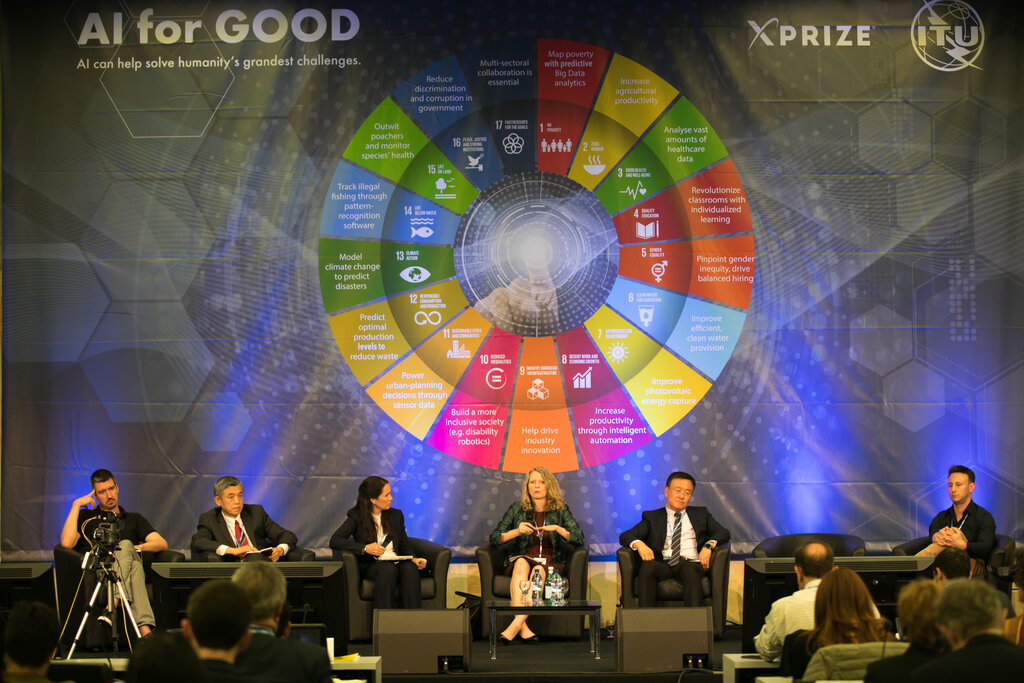
Understanding these foundations is the first step in appreciating AI's capabilities and its growing role in shaping our future.