Introduction to Artificial Intelligence
Introduction to Artificial Intelligence
What Is Artificial Intelligence?
Artificial intelligence is the science of making machines that can think, learn, and solve problems like humans. Instead of following a rigid set of pre-programmed instructions, AI systems are designed to perceive their environment, reason about what they see, and make decisions to achieve specific goals.
The core objective of AI is to create systems that can perform tasks that would normally require human intelligence.
Think about how you recognize a friend in a crowd. You don't consciously check off a list of features. Your brain processes visual information, compares it to memories, and makes an instant identification. AI aims to replicate this kind of flexible, adaptive intelligence in machines. This could mean anything from understanding spoken language to driving a car or discovering new medicines.
AI in the Real World
AI isn't just a concept from science fiction; it's already a part of our daily lives. Its applications span across numerous industries, fundamentally changing how we work, live, and interact.
In healthcare, AI helps doctors diagnose diseases earlier and more accurately. Machine learning models can analyze medical images like X-rays and MRIs to spot signs of cancer or other conditions that a human eye might miss. They can also predict which patients are at higher risk for certain illnesses, allowing for preventative care.
In finance, AI is a powerful tool for detecting fraud. By analyzing thousands of transactions per second, AI systems can identify unusual patterns that might indicate a stolen credit card or a fraudulent insurance claim. Banks also use AI for loan approvals and to offer personalized financial advice to customers.
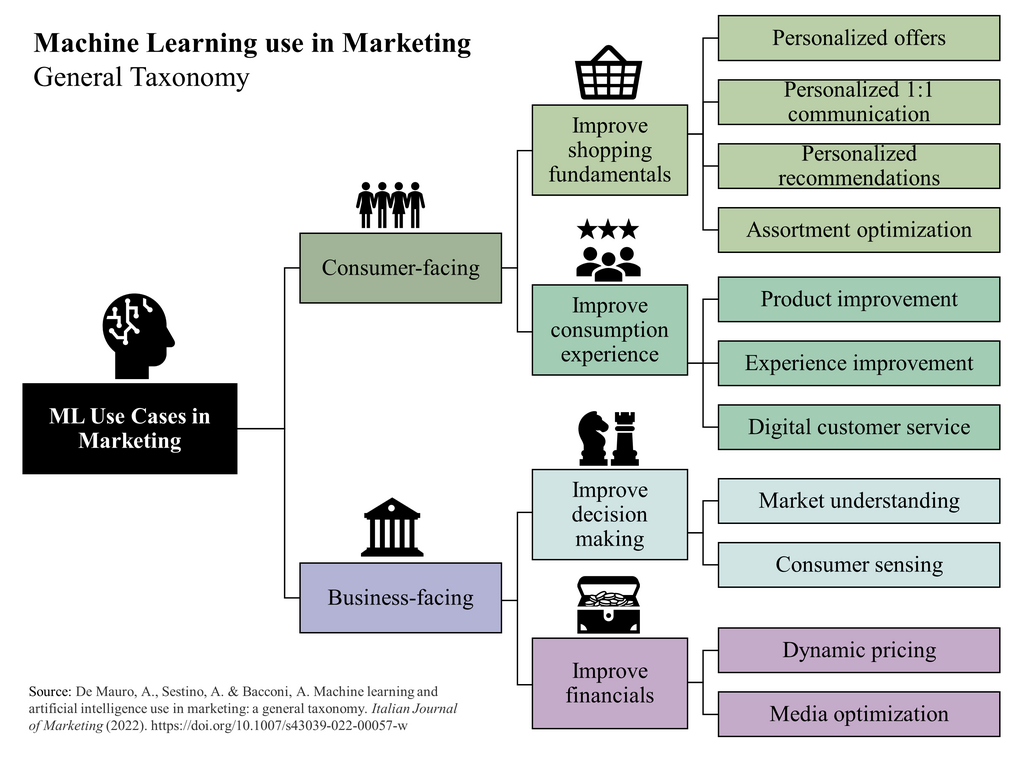
The field of education is also being transformed. AI tutors can provide personalized learning experiences for students, adapting to their individual pace and learning style. It can help automate grading for teachers, freeing up their time to focus on more direct instruction and mentorship.
From agriculture, where AI helps optimize crop yields, to entertainment, where it powers recommendation engines on streaming services, the impact of artificial intelligence is widespread and growing.
Why AI Matters
The importance of AI in modern society comes down to its ability to process vast amounts of data and perform complex tasks at a scale and speed that humans cannot. This capability has profound implications.
Economically, AI drives innovation and creates new efficiencies. By automating repetitive tasks, it allows people to focus on more creative and strategic work. It can analyze market trends to help businesses make smarter decisions, leading to new products, services, and job opportunities.
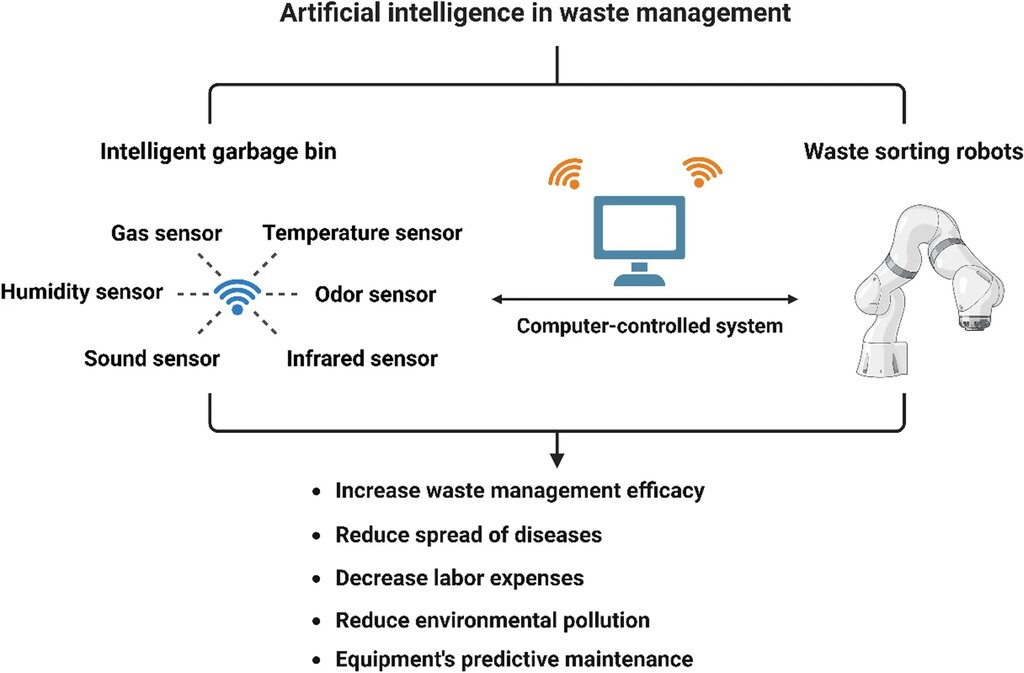
Socially, AI has the potential to solve some of the world's most pressing challenges. It can help us model climate change, develop sustainable energy solutions, and manage resources more effectively. In disaster response, AI can quickly analyze satellite imagery to identify damaged areas and help direct emergency services where they're needed most.
By augmenting human capabilities, AI acts as a powerful tool for progress, helping us tackle problems that were once considered insurmountable.
Now, let's test your understanding of these core concepts.
Which statement best defines the core goal of Artificial Intelligence?
According to the text, what is a primary application of AI in the finance industry?