Introduction to Artificial Intelligence
Introduction to Artificial Intelligence
What Is Artificial Intelligence?
Artificial intelligence is the science of making machines that can think and learn like humans. It's about creating systems that can solve problems, recognize patterns, make decisions, and understand language. Think of it as teaching a computer to perform tasks that typically require human intelligence.
Artificial intelligence (AI) is a branch of computer science and engineering that focuses on building machines that are capable of learning, solving problems, making decisions, and all other functions that are performed traditionally by the human intellect.
At its core, AI isn't one single technology. It's a broad field that includes many different methods and ideas. The goal is to build systems that can interpret data, learn from it, and use that knowledge to adapt and achieve specific goals. This could be anything from recognizing a cat in a photo to navigating a self-driving car.
A Brief History of AI
The dream of creating intelligent machines has been around for centuries, but the formal study of AI began in the mid-20th century. A pivotal moment was the Dartmouth Workshop in 1956, where the term "artificial intelligence" was officially coined. This event brought together pioneers who laid the groundwork for the field.
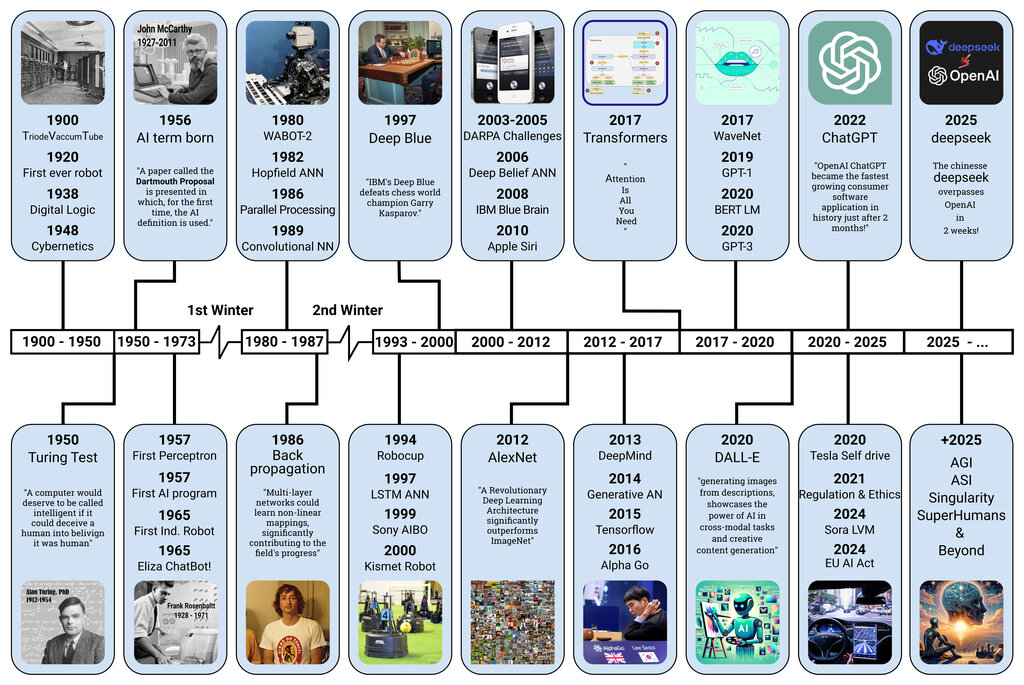
The journey wasn't a straight line. The field experienced periods of great excitement and funding, known as "AI summers," followed by times of disillusionment and budget cuts, called "AI winters." Early systems could solve simple logic problems but struggled with the complexities of the real world. Here are a few key moments that pushed the field forward:
| Year | Milestone | Significance |
|---|---|---|
| 1950 | The Turing Test | Proposed a test for machine intelligence, shaping the goals of AI research. |
| 1966 | ELIZA | One of the first chatbots, demonstrating natural language interaction. |
| 1997 | Deep Blue | IBM's chess computer defeated world champion Garry Kasparov, a major public milestone. |
| 2011 | Watson | An AI system won the quiz show Jeopardy!, showcasing advanced question-answering abilities. |
From Theory to Reality
For decades, AI was mostly confined to research labs and theoretical papers. So what changed? Two key developments pushed AI from the realm of science fiction into our daily lives: a massive increase in computing power and the availability of enormous amounts of data.
Suddenly, computers were fast enough to run complex AI programs, and the internet provided the vast datasets needed to train them. It was like a chef who, after years of only having recipes, was finally given a state-of-the-art kitchen and an endless supply of ingredients.
The combination of powerful computers and massive datasets turned AI from a theoretical curiosity into a practical tool that could solve real-world problems.
This transition gave rise to modern subfields of AI, especially machine learning and deep learning. Instead of programming a computer with explicit rules for every possible situation, developers could now create systems that learn the rules themselves from data. This is the foundation of the AI we interact with today, from recommendation algorithms on streaming services to voice assistants on our phones.
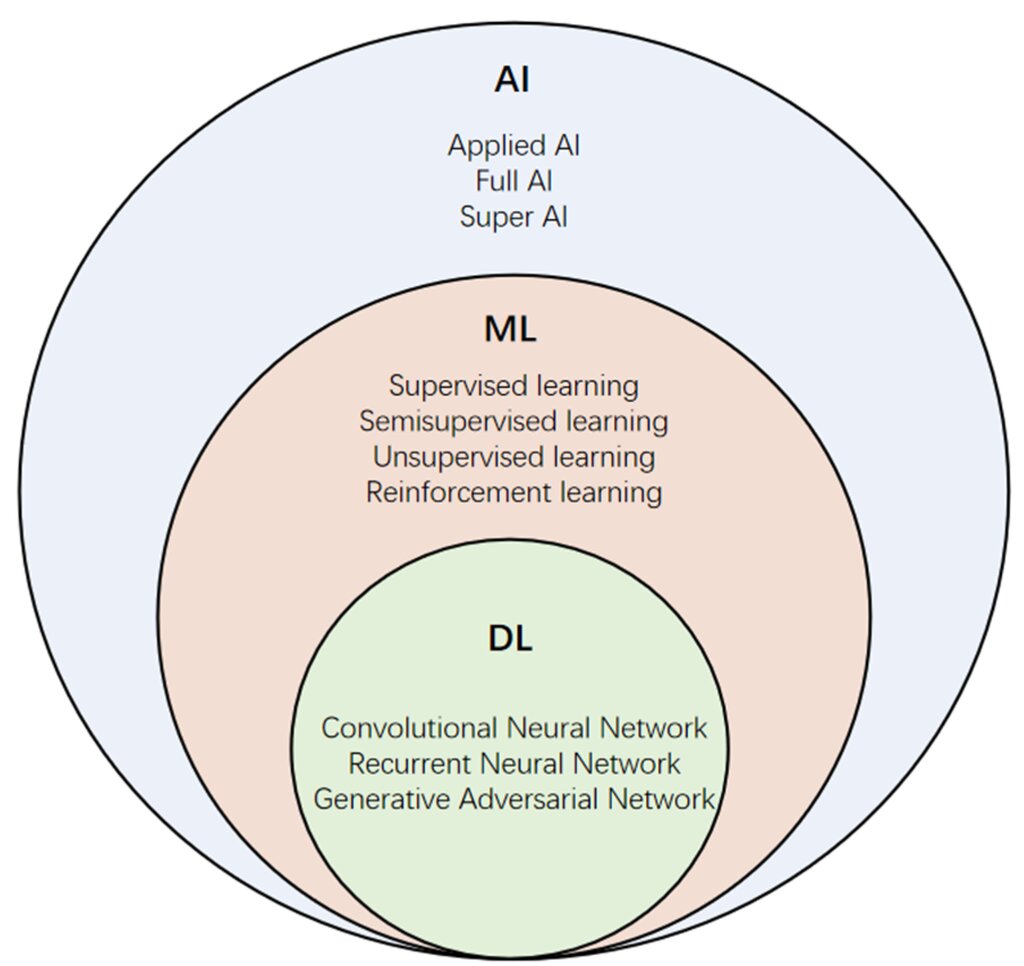
With this foundational understanding of what AI is and how it developed, we can begin to explore its different branches and applications.