Introduction to Artificial Intelligence
Introduction to Artificial Intelligence
What is Artificial Intelligence?
Artificial intelligence, or AI, is the science of making machines that can think, learn, and solve problems like humans. At its core, AI aims to create systems that can perform tasks that typically require human intelligence. This could be anything from understanding a spoken sentence to recognizing a face in a photo or even driving a car.
Think of AI not as a single technology, but as a broad field of study, much like biology or physics. It's an umbrella term for many different methods and tools that allow machines to mimic cognitive functions.
Artificial Intelligence
noun
A field of computer science dedicated to creating systems capable of performing tasks that normally require human intelligence, such as visual perception, speech recognition, decision-making, and translation between languages.
A Quick Trip Through Time
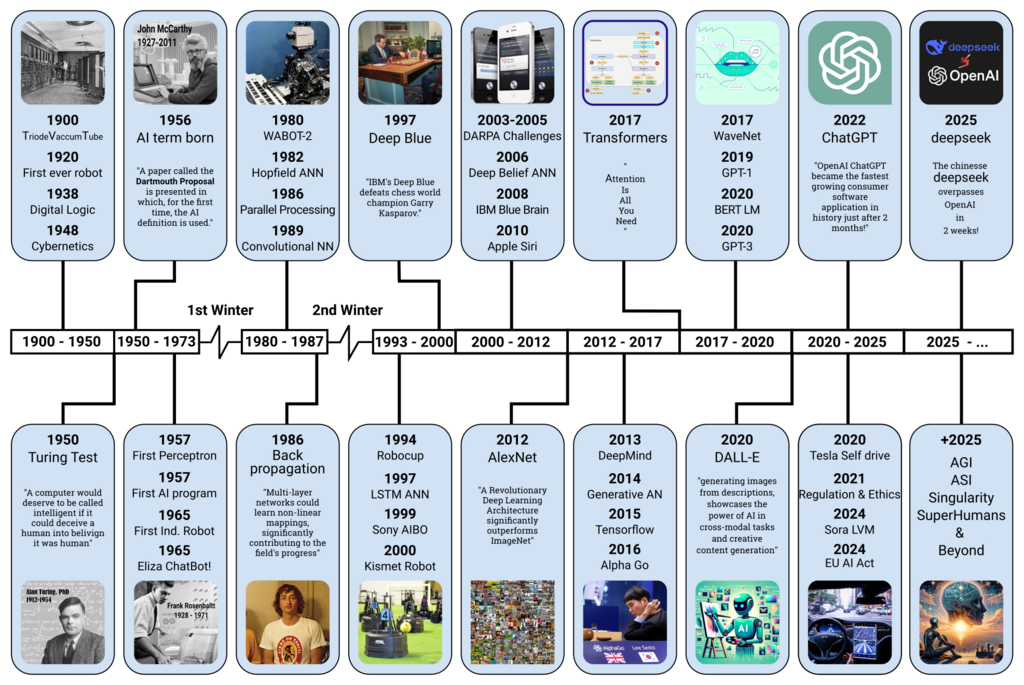
The dream of intelligent machines isn't new, but the formal field of AI began in the mid-20th century. The term "artificial intelligence" was first coined at a conference at Dartmouth College in 1956. This event brought together pioneers who were optimistic about creating thinking machines within a few decades.
The journey wasn't a straight line. Progress was followed by periods of disillusionment known as "AI winters," when funding dried up and public interest faded. However, recent breakthroughs, driven by massive increases in data and computing power, have led to the AI boom we see today. From playing complex games to generating art, AI has achieved milestones that were once the stuff of science fiction.
The Flavors of AI
AI isn't a monolith. It's made up of several specialized subfields, each focused on a different aspect of intelligence. Understanding these branches helps clarify what AI can do.
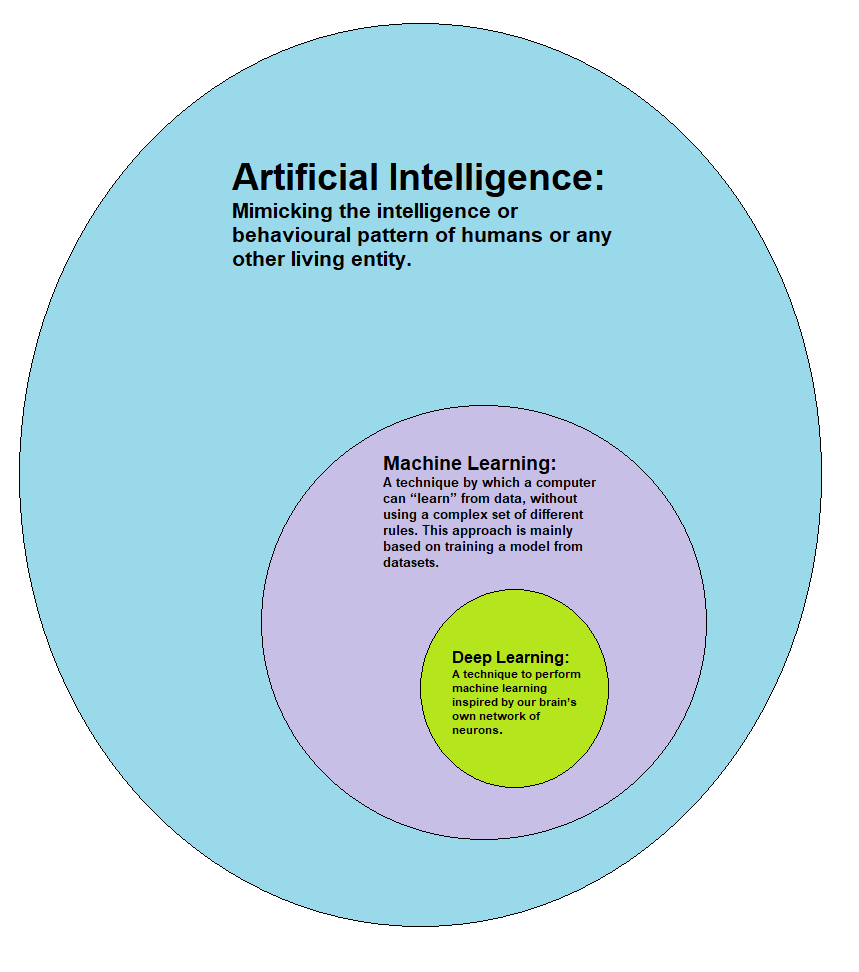
Machine Learning (ML) is the most common type of AI today. Instead of being programmed with explicit rules, ML systems learn patterns directly from data. It's the engine behind your email's spam filter and the movie recommendations on your favorite streaming service.
Natural Language Processing (NLP) gives machines the ability to understand, interpret, and generate human language. When you talk to a virtual assistant or use a translation app, you're using NLP.
Computer Vision deals with teaching computers to see and interpret the visual world. This technology allows for facial recognition, self-driving cars navigating their surroundings, and medical image analysis.
Robotics is where AI gets physical. This field involves building and programming robots to perform tasks in the real world, from assembling products in a factory to exploring other planets.
Why AI Matters Today
AI is no longer just a concept in a research lab; it's a powerful force shaping our world. It quietly powers many of the services we use every day, making them smarter and more personalized. From optimizing traffic flow in cities to helping doctors diagnose diseases earlier, AI's applications are vast and growing.
The significance of AI lies in its potential to augment human capabilities and solve some of society's most challenging problems. By processing enormous amounts of data and identifying patterns beyond human perception, AI can accelerate scientific discovery, improve efficiency, and create new opportunities for innovation. This foundational understanding is the first step toward navigating the future AI will help create.