Introduction to Artificial Intelligence
Introduction to Artificial Intelligence
What is Artificial Intelligence?
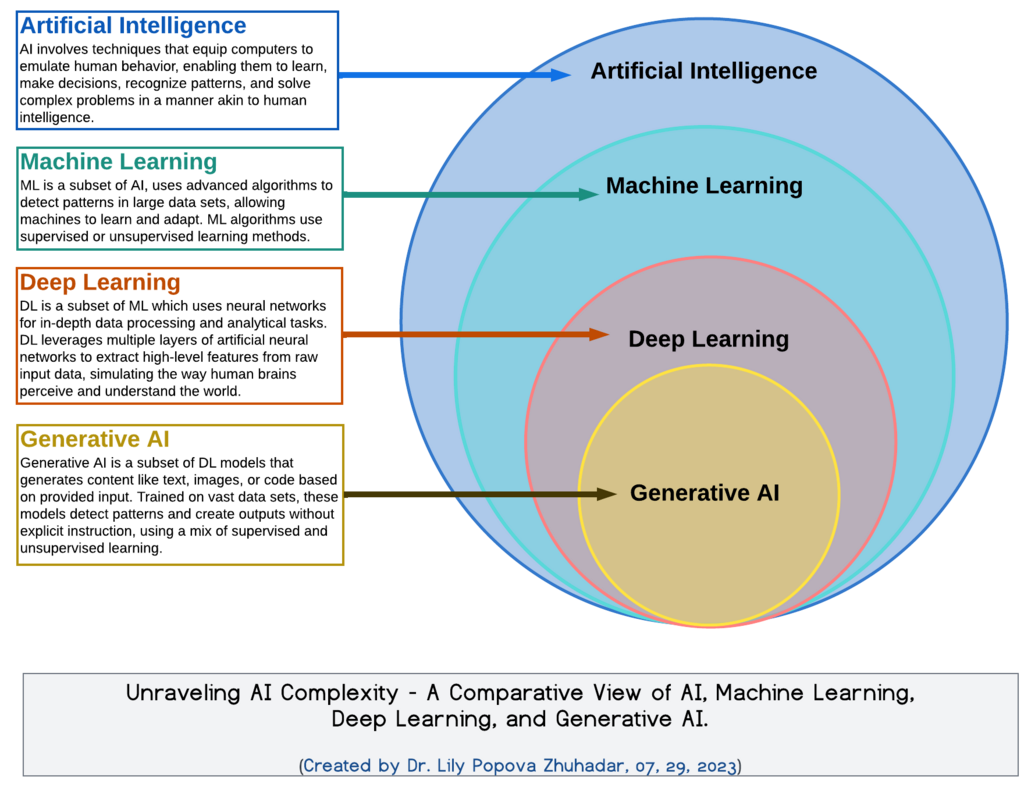
Artificial intelligence is the science of making machines that can think or act like humans. The goal is to create systems that can perform tasks that typically require human intelligence, such as learning from experience, solving problems, understanding language, and recognizing patterns.
Artificial Intelligence
noun
A branch of computer science dealing with the simulation of intelligent behavior in computers.
Think of it this way: when a person learns to identify a cat, they see many different cats over time. They learn to recognize common features—whiskers, pointy ears, a certain way of moving. AI, particularly a subfield called machine learning, works in a similar way. An AI system is shown thousands of cat pictures until it learns to identify a cat on its own.
At its core, AI isn't a single technology. It’s a broad field that contains many different methods and subfields. You'll often hear terms like machine learning and deep learning, which are specific ways of achieving artificial intelligence.
A Brief History of AI
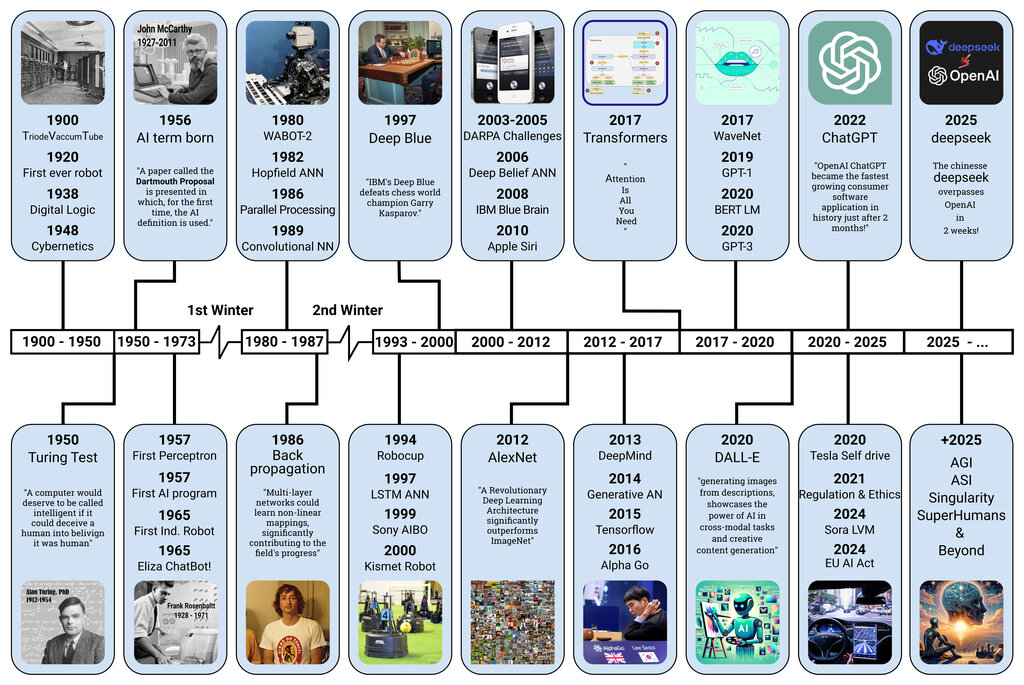
The dream of creating intelligent machines has been around for centuries, but the formal field of AI research is relatively new. The journey began in the mid-20th century with pioneers who believed that human thought could be mechanized.
The history of artificial intelligence reveals a fascinating journey from philosophical thought experiments to technologies that are now reshaping our world.
A pivotal moment came in 1956 at the Dartmouth Workshop. This event is widely considered the birth of AI as an academic discipline. It was here that the term "artificial intelligence" was first coined. Early researchers were optimistic, predicting that machines with human-like intelligence were just a few decades away.
Progress, however, was not a straight line. The field experienced periods of high expectations followed by "AI winters," when funding dried up and interest waned. But breakthroughs in computing power and the availability of massive amounts of data in the 21st century sparked a resurgence. This led to the rapid advancements we see today.
Why AI Matters Today
Artificial intelligence is no longer just a concept from science fiction. It's a fundamental part of our daily lives and a powerful tool transforming nearly every industry. From the recommendation engine that suggests what you should watch next on a streaming service to the navigation app that finds the quickest route home, AI is working behind the scenes.
Its significance lies in its ability to process and analyze vast quantities of data far beyond human capability. This allows us to find new solutions to complex problems in areas like medicine, where AI can help diagnose diseases, and in finance, where it can detect fraudulent transactions.
AI's main impact is its ability to automate tasks, analyze data, and make predictions, leading to more efficient and personalized experiences.
By handling complex and repetitive tasks, AI frees up human potential, allowing people to focus on creativity, critical thinking, and strategic decision-making. As the technology continues to evolve, its role in society will only grow, making a basic understanding of AI essential for navigating the modern world.
Now, let's check your understanding of these foundational concepts.
What is the primary goal of Artificial Intelligence?
The event widely considered the birth of AI as an academic field, where the term "artificial intelligence" was first coined, was the Dartmouth Workshop in 1956.
Understanding these core ideas provides a solid foundation as we explore the more specific applications and techniques of artificial intelligence.