Introduction to Artificial Intelligence
Introduction to Artificial Intelligence
What Is Artificial Intelligence?
Artificial Intelligence, or AI, is about making machines smart. It’s a field of computer science dedicated to creating systems that can perform tasks that normally require human intelligence. This includes things like learning from experience, solving problems, understanding language, and recognizing objects in images.
Artificial intelligence (AI) is a broad field of computer science and engineering that focuses on developing computers capable of performing activities that normally require human intelligence, such as learning, problem-solving, decision-making, and natural language processing.
Think about how you learn. You observe, you try things, and you get better over time. The goal of AI is to enable computers to do the same. Instead of just following a strict set of pre-programmed instructions, an AI system can adapt and make its own decisions based on the data it receives.
A Quick Trip Through Time
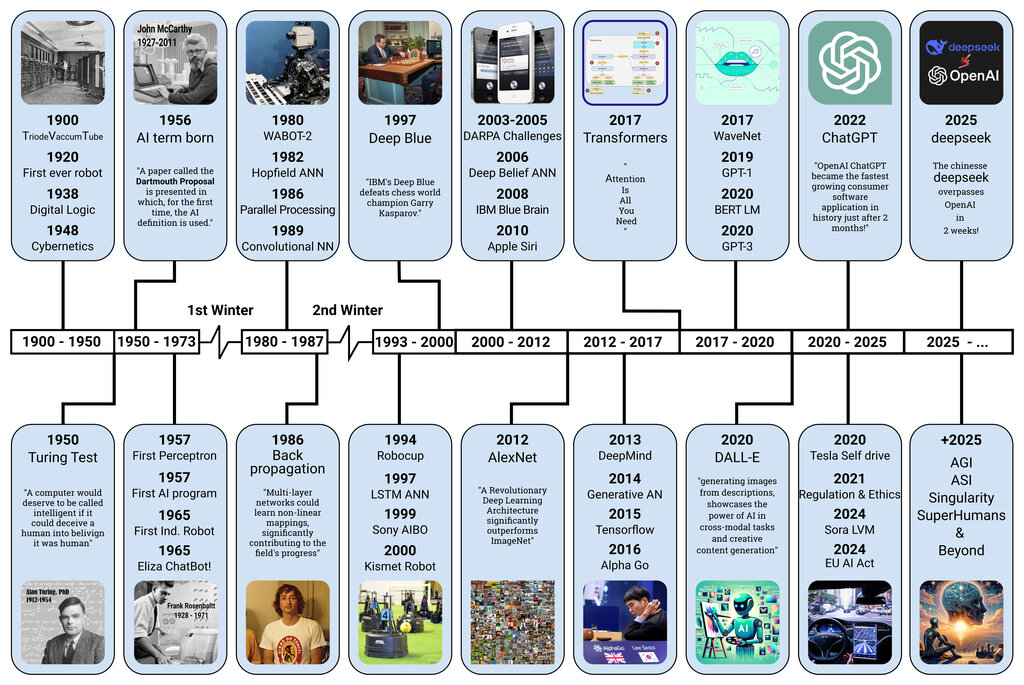
The idea of intelligent machines has been around for centuries, but the formal field of AI research began in the 1950s. The term "artificial intelligence" was first used at a conference at Dartmouth College in 1956. Early researchers were incredibly optimistic, believing that a machine as intelligent as a human being was only a few decades away.
This early excitement was followed by periods of disillusionment known as "AI winters," when funding dried up because progress was slower than expected. However, advances in computing power and the explosion of available data in recent decades have led to a massive resurgence. Today, AI is one of the fastest-growing fields in technology.
The Building Blocks of AI
AI isn't a single technology; it's a broad category that includes several different methods and subfields. Let's look at three of the most important concepts.
Machine Learning
noun
A subset of AI where systems learn and improve from data without being explicitly programmed. Instead of writing code for every possible decision, developers create algorithms that allow the computer to find patterns on its own.
Another core concept is the neural network, which is inspired by the structure of the human brain. These networks are the foundation of a more advanced type of machine learning called deep learning.
Finally, there's Natural Language Processing, or NLP. This is the branch of AI that gives computers the ability to understand, interpret, and generate human language. It's the technology behind virtual assistants like Siri and Alexa, as well as online translation services.
AI in the Real World
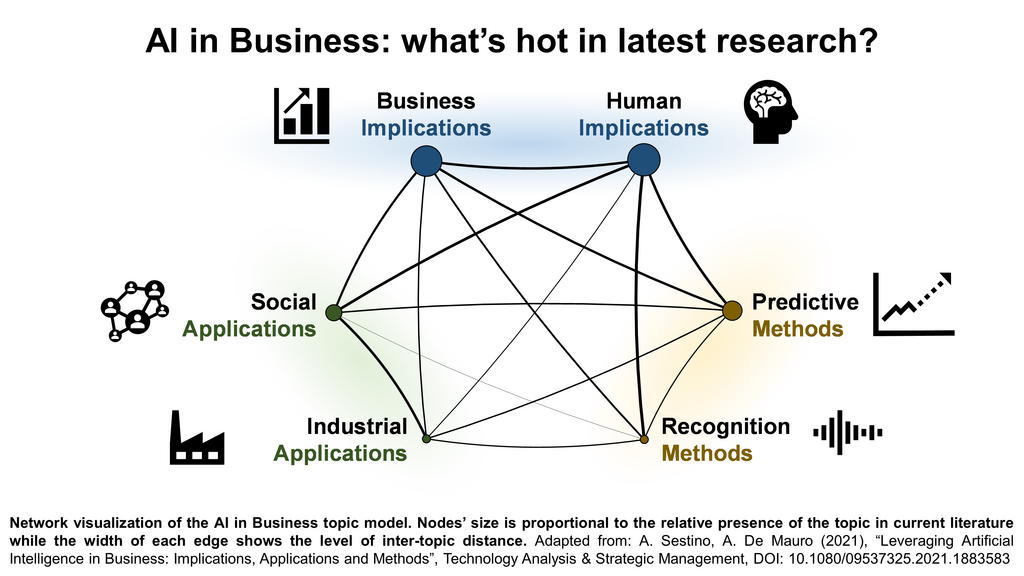
AI is no longer just a concept from science fiction. It's a practical tool that's transforming nearly every industry. In healthcare, AI helps doctors diagnose diseases earlier and more accurately by analyzing medical images like X-rays and MRIs. In finance, it powers algorithms that detect fraudulent credit card transactions in real-time.
E-commerce sites use AI to recommend products you might like based on your browsing history. Car manufacturers are developing self-driving vehicles that use AI to navigate roads and avoid obstacles. From entertainment to agriculture, AI is being used to increase efficiency, solve complex problems, and create new possibilities.
Now that we've covered the basics, let's review the key terms.
Ready to test your knowledge? Let's see what you've learned.
What is the primary goal of Artificial Intelligence?
The term 'artificial intelligence' was first formally used at a conference in what year?
As we've seen, AI is a powerful and rapidly evolving field. Understanding its core concepts is the first step toward appreciating its impact on our world.