Introduction to Art Appreciation
Elements of Art
The Building Blocks of Art
Think of the elements of art as the basic ingredients a chef uses. An artist combines these elements in different ways to create a painting, drawing, or sculpture. They are the fundamental building blocks of any visual work. Understanding them gives you a language to talk about what you see and how an artwork makes you feel.
Formal elements like color, composition, brushwork, and subject matter provide important clues
Let's break down these essential components one by one.
Line and Shape
A line is simply a mark that connects two points. But in art, a line does so much more. It can lead your eye through a picture, create a sense of movement, or convey an emotion. A jagged, sharp line feels energetic or angry, while a soft, curving line can feel calm and graceful.
When a line encloses an area, it creates a shape. Shapes are flat, two-dimensional objects. We often categorize them into two main types.
Geometric shapes are precise and mathematical. Think of circles, squares, triangles, and rectangles. They often feel stable and organized.
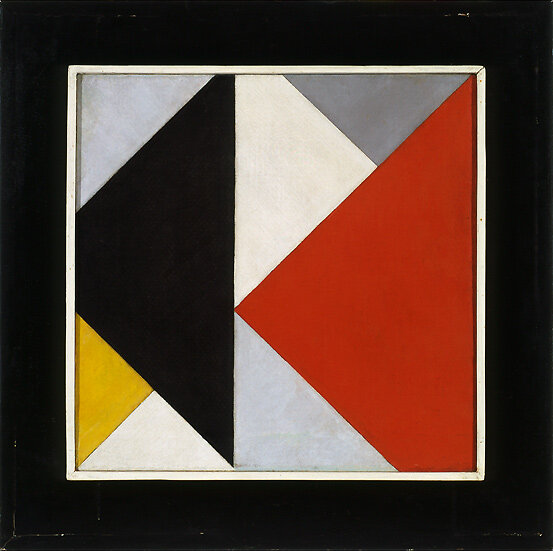
Organic shapes, on the other hand, are irregular and free-flowing. You see them everywhere in nature—in the shape of a leaf, a cloud, or a puddle. They tend to feel more natural and spontaneous.
Color and Value
Color is one of the most powerful elements. It can instantly set the mood of a piece. Bright, warm colors like red and yellow can create a feeling of energy and happiness, while cool, dark colors like blue and purple might feel somber or mysterious.
Every color has three main properties:
- Hue: The pure color itself (red, green, blue).
- Saturation: The intensity or purity of the color. A highly saturated red is vivid, while a less saturated one looks dull or grayish.
- Value: How light or dark the color is.
Value is so important that it gets to be its own element of art. It refers to the range of lightness and darkness within a picture. High contrast—a strong difference between light and dark areas—can create drama and draw your attention. Low contrast, with many shades of gray, can feel softer and more subtle.
Form, Texture, and Space
While shape is two-dimensional, form is three-dimensional. It has height, width, and depth. A square is a shape, but a cube is a form. A circle is a shape, but a sphere is a form. Sculptures are all about form, but painters can create the illusion of form on a flat surface using value and shadow.
Form
noun
An object that has, or appears to have, three dimensions: height, width, and depth.
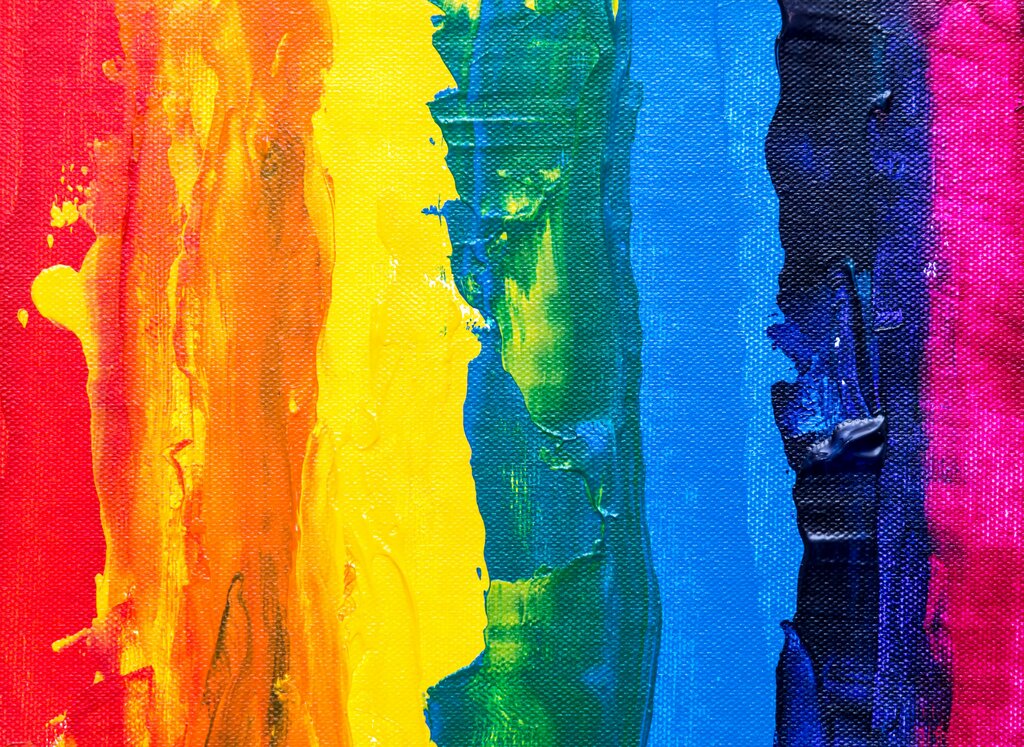
Texture refers to the surface quality of an object—how it feels or looks like it would feel if you could touch it. Some art has actual texture, like a thick application of paint that you can see and feel. Other art has implied texture, where the artist uses clever brushstrokes or marks to make a surface look rough, smooth, shiny, or soft.
Finally, space is about creating a sense of depth. It's the area around, between, and within objects. Artists often think about two kinds of space.
- Positive Space: The area taken up by the main subjects or objects.
- Negative Space: The empty area around and between the subjects.
A skilled artist uses the relationship between positive and negative space to create a balanced and interesting composition. They also use techniques like perspective and overlapping to make a flat painting feel like a deep, three-dimensional scene you could walk into.
An artist paints a single apple on a large, empty canvas. The area taken up by the apple is known as what?
Which of the following is an example of a geometric shape?
These seven elements are the foundation of all visual art. Once you start recognizing them, you'll see them everywhere, and you'll have a much deeper appreciation for how artists create their work.