Introduction to Art and Culture
Defining Art and Culture
The Fabric of Culture
Culture is the shared way of life of a group of people. It’s the customs, beliefs, values, and social behaviors that are passed down from one generation to the next. Think of it as the personality of a society. It includes the languages we speak, the food we eat, the stories we tell, and the rules we live by, both spoken and unspoken.
Culture
noun
The customs, arts, social institutions, and achievements of a particular nation, people, or group.
It’s not just about museums or classical music. Culture is present in everyday life, from how you greet a friend to the holidays you celebrate. Because it's a shared experience, it helps create a sense of identity and belonging. But culture isn't static; it constantly evolves as societies interact with each other and adapt to new ideas and challenges.
The Language of Art
Art is a powerful form of human expression. It’s how we communicate ideas, emotions, and experiences that might be difficult to put into words. It can be a painting that captures a feeling, a song that tells a story, or a poem that explores a complex idea. The purpose of art can be to provoke thought, to document a moment in time, or simply to create something beautiful.
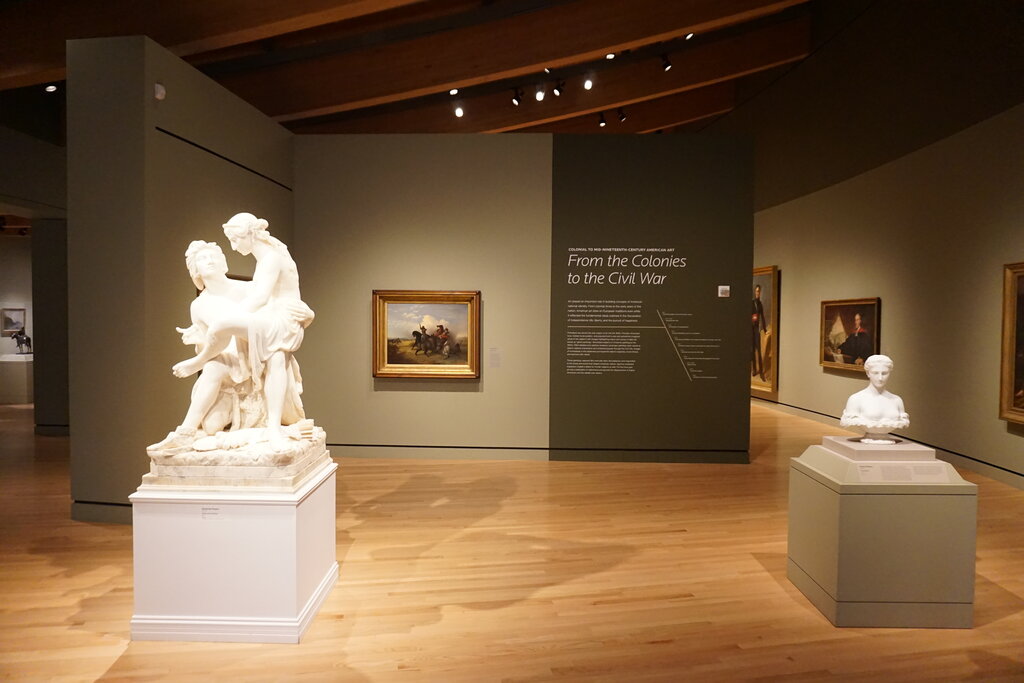
Art takes many forms, but most can be grouped into a few broad categories.
| Category | Description | Examples |
|---|---|---|
| Visual Arts | Created primarily for visual perception. | Painting, sculpture, photography, architecture |
| Performing Arts | Performed for an audience. | Music, dance, theater, opera |
| Literature | The art of written work. | Novels, poetry, plays, essays |
A Two-Way Street
Art and culture are deeply connected. They influence each other in a continuous cycle. Art acts as a mirror, reflecting the values, beliefs, and concerns of the culture it comes from. An artist’s work is always shaped by their environment, including the politics, religion, and social norms of their time.
By looking at the art a society produces, we can learn what was important to them, what they feared, and what they celebrated.
At the same time, culture shapes the very tools and language of artistic expression. It determines which materials are available, which stories are worth telling, and what is considered beautiful or meaningful. A culture's myths might become the subject of epic poems, its local pigments the basis for a style of painting, and its rhythms the foundation of its music.
This relationship isn't just one-way. Art doesn’t just reflect culture; it can also shape it. A powerful song, film, or novel can challenge existing norms, introduce new ideas, and inspire social change. Art can create new symbols and stories that become part of a culture's identity.
This constant dialogue means that both art and culture are always in motion. As societies change, so do their artistic expressions, and as artists innovate, they push their culture in new directions.
Now, let's test your understanding of these foundational concepts.
Which of the following best defines "culture"?
How does culture primarily influence an artist's work?
Understanding the bond between art and culture is the first step in exploring how creativity has shaped human experience across time.